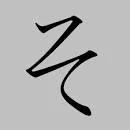
Why does the hiragana "so" have two spellings?

chldudghks0517

Black Rooster
Joined
21 Oct 2012
Messages
142
Reaction score
13
This is a silly question to ask but really, why does "so" have two spellings
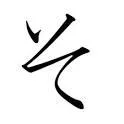
imagesqtbnANd9GcQ30vFsSIlYPZSiu0zGNb4pLn-1.webp
and
imagesqtbnANd9GcQBwCedU_ZvZZkLU57ZGScrZL-1.webp
?

Is there a historical background to this?

And, which is more commonly used?


(Image credits: Wikipedia)
 
Same thing, different fonts. Notice the little "flip" at the bottom of the small stroke? Now imagine that the writer hadn't completely lifted the brush from the page. You'd have the version in the second image.
 
Same thing, different fonts. Notice the little "flip" at the bottom of the small stroke? Now imagine that the writer hadn't completely lifted the brush from the page. You'd have the version in the second image.

Ah, that explains it.

I was just wondering if one of them was used in the old times (traditional) and the other being used in the modern times (present).

Thank you. :)
 
You will encounter a lot of variety, especially when you start looking at handwriting.
 
When そ is handwritten like the left-side image you posted, it usually comes out looking like the B style in this image: http://p.twpl.jp/show/large/P4hwj Basically, a diagonal bar that connects to the rest of the character

I hand-write it that way too (it's just easier for me, somehow), but have been told it seems a little old-fashioned.
 
Back
Top Bottom