


- 14 Mar 2002
- 21,050
- 18,903
On 9 August, a group of teachers dedicated to supporting children with international backgrounds issued an urgent statement titled, "Don't say it, Don't let others say it: 'Japanese First.'" The statement, released by the National Council for the Education of Foreign Residents in Japan (Zengaikyō), expressed concern over the influence of political slogans that surfaced during the July Upper House election. The group fears that rhetoric such as "Japanese First" promoted by some parties and candidates could trickle down into classrooms, where students might repeat it, causing distress to peers from diverse backgrounds.
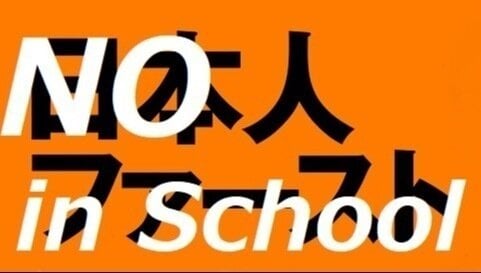
Alongside the statement, the council launched an online petition urging boards of education across the country to ensure schools provide proper guidance, so that all children can learn in an equal environment free from harassment. Atsushi Funachi, a high school teacher in Kanagawa Prefecture and head of the council, voiced concern about the possibility of children coming to believe that xenophobic remarks are acceptable. He recalled past cases in which students of Korean heritage were bullied following news reports of North Korean missile tests. Funachi also warned that younger children, especially those in elementary school, often lack the awareness to recognise classmates' words as discriminatory, even when they feel hurt. Many also find it difficult to confide in their parents about such experiences.
「日本人ファースト」から子どもたちを守りたい。
Alongside the statement, the council launched an online petition urging boards of education across the country to ensure schools provide proper guidance, so that all children can learn in an equal environment free from harassment. Atsushi Funachi, a high school teacher in Kanagawa Prefecture and head of the council, voiced concern about the possibility of children coming to believe that xenophobic remarks are acceptable. He recalled past cases in which students of Korean heritage were bullied following news reports of North Korean missile tests. Funachi also warned that younger children, especially those in elementary school, often lack the awareness to recognise classmates' words as discriminatory, even when they feel hurt. Many also find it difficult to confide in their parents about such experiences.
Funachi also pointed out that children sometimes make hurtful remarks casually without any discriminatory intent. "I want not only schools and teachers but also boards of education to show their stances as public administrative bodies that they are opposed to xenophobia," Funachi said. The group plans to submit the signatures to each board of education around the country by the end of August. According to the education ministry's school basic survey conducted in fiscal 2024, there were at least about 150,000 children of foreign nationalities enrolled at elementary, junior high and high schools in Japan. A rough breakdown indicates that each school has about four students in this demographic.
「日本人ファースト」から子どもたちを守りたい。


