News Kyoto tourist altercations

This was also posted on the group of the British Expats in Japan Facebook group and prompted quite a lot of discussion. Too much considering that none of us saw the whole incident. The poster was upset by the number of gaijin-haters in the comments, which is probably par for the course in most countries for something like this.
I wish she hadn't posted it (not an implied criticism, Thomas, I can see from the numbers that it really has gone viral!). It's best to let conflicts on social media die down rather than allow them to be amplified. in my view. It's the sort of incident that people are going to use to justify their preconceptions about xenophobic Japanese, bloody cultureless foreigners, or stuck-up Kyoto -ites, or whatever.
 
Last edited:
This was also posted on the group of the British Expats in Japan Facebook group and prompted quite a lot of discussion. Too much considering that none of us saw the whole incident. The poster was upset by the number of gaijin-haters in the comments, which is probably par for the course in most countries for something like this.I wish she hadn't posted it (not an implied criticism, Thomas, I can see from the numbers that it really has gone viral!). It's best to let conflicts on social media die down rather than allow them to be amplified. in my view. It's the sort of incident that people are going to use to justify their preconceptions about xenophobic Japanese, bloody cultureless foreigners, or stuck-up Kyoto-ites, or whatever.

I'm not taking sides and agree that such issues shouldn't be escalated. I hope both sides will learn from these misunderstandings.

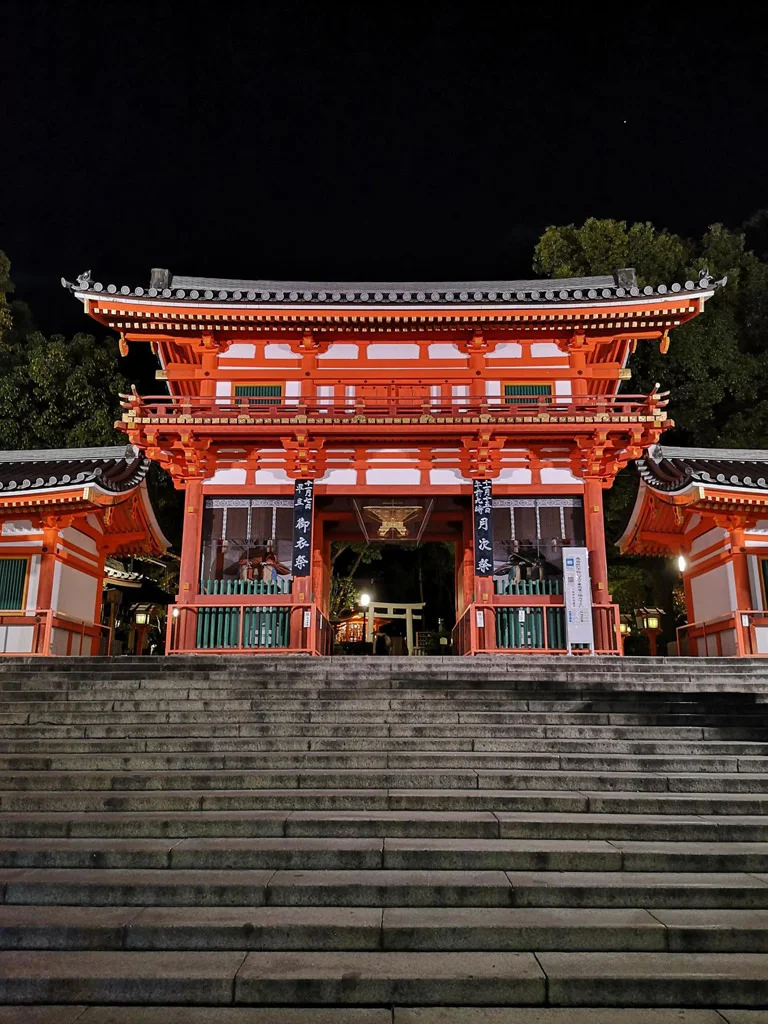
Yasaka Shrine in Kyoto

Yasaka Shrine in Kyoto has reacted to a recent incident involving foreign visitors ringing the bells with excessive force. The shrine has changed its operating policies, removing the main hall's bell cords from 17:00 to 06:00. During that time, worshippers and tourists may visit as usual but not ring the bell.


The Times picked up the story of Sherlock, the British Kyoto tour guide who was accosted by an X user calling herself Fujino. The altercation has had serious consequences for him and his family, and he is preparing a case against Fujino.


It began with the ringing of a bell. Sherlock runs walking tours for foreign visitors to Kyoto — a thriving business in a country where inbound tourism is booming like never before. On the evening of May 23, he was with a small group in Yasaka Jinja, a Shinto shrine in the heart of the city. As he had many times before, he showed his four elderly clients how to offer prayers at the shrine, a ritual of bowing, clapping and ringing a bell attached to a thick rope. They were approached by a Japanese woman who complained that one of the tourists, a British woman, had behaved disrespectfully by shaking the bell too vigorously. Sherlock says that both he and the British visitor apologised. The Japanese woman, who has identified herself only as Fujino, insists that he rudely brushed her off. Either way, heated words were exchanged before Sherlock and his group left the shrine. The following day, Fujino posted a video of part of the exchange, which within hours had been viewed more than a million times. Since then she has tweeted unrelentingly about the incident, appeared on an online television programme and appealed to her followers to "help" her. It is they who hunted out his home address and phone number and posted them online, retweeted by "Fujino". After sinister Japanese callers rang asking him to give them a private tour, Sherlock has given up his tourist guide business. His wife, who ran a gallery selling kimonos and souvenirs, has been too anxious to work. The incident is the latest in a simmering cauldron of resentment about foreign tourism in Japan.


Debito published his views on the case above and the phenomenon of overtourism in Japan. He views overtourism as a means of harassment. It's worth a read; sadly, he has a point.

"Overtourism" has become a trendy word to describe Japan's attractions (e.g., Shibuya Scramble, Hachiko, Ginza, Kyoto, Senso-ji, Mount Fuji) being overrun by tourists. But in Japan, the word is specifically associated with "foreign tourists," i.e., mobs blocking traffic, disrupting local businesses and mores by littering and chattering away in their foreign languages. I don't dispute that "overtourism" can happen. Too many people crowding into a place can produce problems of noise, pollution, disruption, and property damage. But be careful about associating it with "foreigners." As evidenced by the Karen-esque confrontation at Yasaka Shrine, it's giving license to Japan's busybodies, bullies, and xenophobes. This column will argue that "overtourism" is not only becoming the latest incarnation of racialized bullying, it's also producing reactionary public policies that are actually worse than the "Japanese Only" signs of yore.


Just read this about Spain:


...tho I can't imagine people in Kyoto taking up super soakers.
The problem is that someone will think it is a good idea, at least to get themselves attention, and social media will make sure they get a wide audience of impressionable idiots who will flock to it. :(
 
Back
Top Bottom