Article Ise Grand Shrine (Ise Jingu)

JREF

JREF Editor
Contributor
Joined
15 Mar 2002
Messages
22,914
Reaction score
472
This thread is for the general discussion of the Article Ise Jingu. Please add to the discussion here.
 
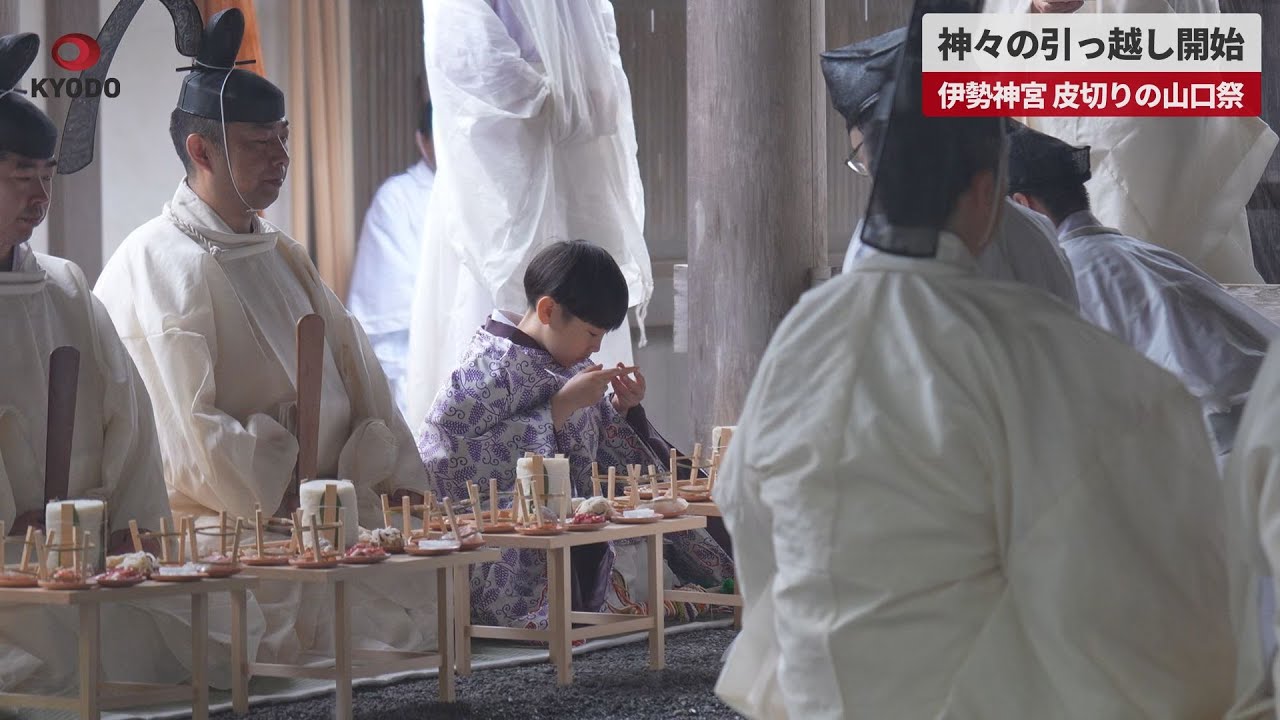
The Ise Grand Shrine in Mie Prefecture has begun preparations for its upcoming shikinen sengū (式年遷宮), the ceremonial reconstruction of shrine buildings and transfer of deities held every twenty years. The process officially commenced on 2 May with the Yamaguchi Festival, the first in a series of sacred rites. Held at the Inner Shrine (内宮 Naikū), the Yamaguchi Festival marks the opening of the lead-up to the 2033 shikinen sengū.


This long-standing tradition involves the complete rebuilding of the shrine structures and the ritual relocation of the enshrined deities to new sanctuaries, symbolising spiritual renewal and continuity. The practice is one of Japan's most significant Shinto observances and draws nationwide attention and participation. A series of ceremonial events will continue in the years ahead, culminating in the complete reconstruction and deity transfer in 2033.

 
The traditional Misoma Hajime-sai (御杣始祭) ritual, marking the beginning of sacred tree-felling for shrine construction, took place in the Akasawa Recreation Forest in Nagano Prefecture on 3 June. This ceremony serves as the first stage in preparations for the Shikinen Sengū (式年遷宮), a central event in the Shintō calendar of Ise Jingū in Mie Prefecture, where the kami (deities) are ceremonially transferred into newly built shrine structures every twenty years. The next full Shikinen Sengū is scheduled for 2033.

Mitsuhimo-giri Hozon Kai (三つ紐伐り保存会)

Photo credit: Kodama Shigetaka via Asahi


Despite rainy weather, around 350 observers attended the event, including Sayako Kuroda (黒田清子), the shrine's Saishu (chief priestess) and younger sister of Emperor Naruhito. Two towering Japanese cypress trees (hinoki), each standing approximately 26 metres tall and believed to be around 300 years old, were selected for the ritual. These particular trees are endemic to the Kiso region and are highly valued for their quality.

Following the traditional rites, officials from Ise Jingū and members of the Mitsuhimo-giri Hozon Kai (三つ紐伐り保存会), a group dedicated to preserving ancient forestry techniques, made ritual cuts into the trunks from three sides, honouring centuries-old practices rooted in sacred craftsmanship.

 
On 9 June, a ritual known as the Mihishirogi Hōeishiki (御樋代木奉曳式)—in which timber is ceremonially transported for use in crafting the sacred vessel that houses the deity—was held at the Inner Shrine (Naikū) of Ise Jingū in Ise City, Mie Prefecture. The ceremony is part of the preparations for the 2033 Shikinen Sengū, the ritual rebuilding of the shrine that takes place once every 20 years.

 
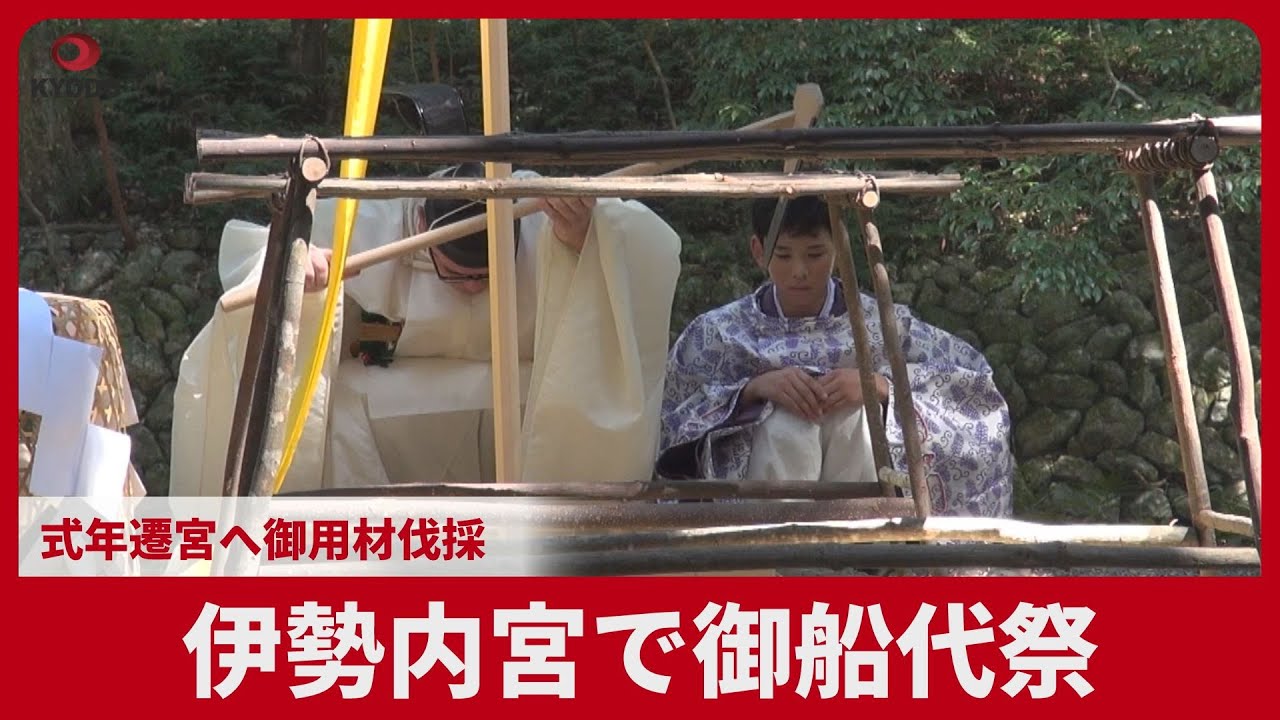
The Ise Grand Shrine held its Ofunashiro Festival (御船代祭 Ofunashiro-sai) on 17 September, marking the first steps in preparations for the Shikinen Sengu (式年遷宮) scheduled for 2033, the traditional periodic rebuilding of the shrine's sanctuary. The festival centres on the cutting of sacred timber to construct the Ofunashiro (御船代), a vessel that houses the Mihishiro (御幣代), which in turn enshrines the kami. Shaped like a boat, the Ofunashiro is considered a deeply sacred object within Shinto practice.


On the morning of the ceremony, priests (神職 shinshoku) gathered at a designated site deep within the forest of the Naikū, offering prayers for both the safety of those felling the trees and the successful completion of a worthy Ofunashiro.


Shrine carpenters, the kodakumi (小工組), then carried out the tree-cutting ritual, beginning the preparation of materials that will be used in the 2033 renewal of the sanctuary. The event combines solemnity and careful craftsmanship, reflecting centuries of ritual tradition that safeguard the spiritual and cultural significance of the Ise Grand Shrine.

 
It takes nine years to rebuild all 125 shrine structures at Ise Jingu.

This is the 63rd reconstruction cycle. The first was documented in 690, during the reign of Empress Jito, said Noboru Okada, professor emeritus at Kogakkan University and a specialist in Japanese history and archaeology. All 125 shrine buildings will be demolished, and identical structures, as well as more than 1,500 garments and other ritual objects used in the shrine, will be rebuilt using techniques that have been painstakingly passed down over generations. There are 33 accompanying festivals and ceremonies, culminating in a 2033 ritual that sees the presiding deity transferred to the new shrine.

Ise Grand Shrine


Ise Grand Shrine

Photo credit: Komae Hiro (AP via Mainichi)


Similar threads

Replies
1
Views
2K
Replies
0
Views
2K
  • UBS: Blog entry UBS: Blog entry
Replies
3
Views
2K
  • AMS: Article AMS: Article
Replies
4
Views
2K
  • Discussion Discussion
Replies
0
Views
1K
Back
Top Bottom