


- 14 Mar 2002
- 21,050
- 18,903
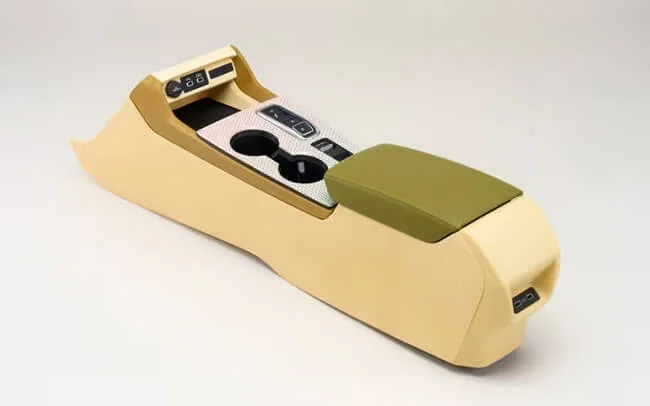
Japanese auto parts manufacturers were reportedly adopting biomass materials in increasing numbers as carmakers sought to reduce carbon dioxide emissions from production. Among them, Moriroku — a long-time supplier to Honda — was reportedly developing new resins made by blending eggshells, seashells, bamboo, and other plant-based materials to curb reliance on petroleum-based plastics. These eco-friendly resins were expected to be used mainly for interior components such as glove compartments and centre consoles, with the company aiming to introduce them in vehicle models around 2028. Since eggshells are rich in calcium carbonate, which strengthens materials, Moriroku planned to include about 30% of such additives in its blend to improve durability while keeping production sustainable.

Paywall alert:

 asia.nikkei.com
Moriroku, a Honda-affiliated supplier, has created a centre console made using resin blended with eggshells (photo credit: Moriroku).
Tokai Rika, an affiliate of Toyota Motor, has developed a composite resin material that contains up to 55% bamboo fibre. The bamboo was harvested from trees that were cut down for bamboo forest management. A new factory that came online in Kochi prefecture in July will start shipping the Bamboo+ resin later this year. With the resin's smooth texture and high-end appearance, the aim is to use the material "in interior components that people will see, such as the instrument panel on the dashboard and the (centre) console," said the head of the Bamboo+ segment. Tokai Rika also sees applications beyond autoparts in a wide range of products from furniture to home appliances. The revenue target for this business is 1 billion yen ($6.59 million) or more by fiscal 2030.
Tokai Rika has made parts using a bamboo-based composite resin (photo credit: Tokai Rika).
Paywall alert:
Eggshells and bamboo help make Honda and Toyota supply chains greener
Autoparts suppliers tap biomass to cut carbon footprint during production
asia.nikkei.com


