- 14 Mar 2002
- 21,057
- 18,914
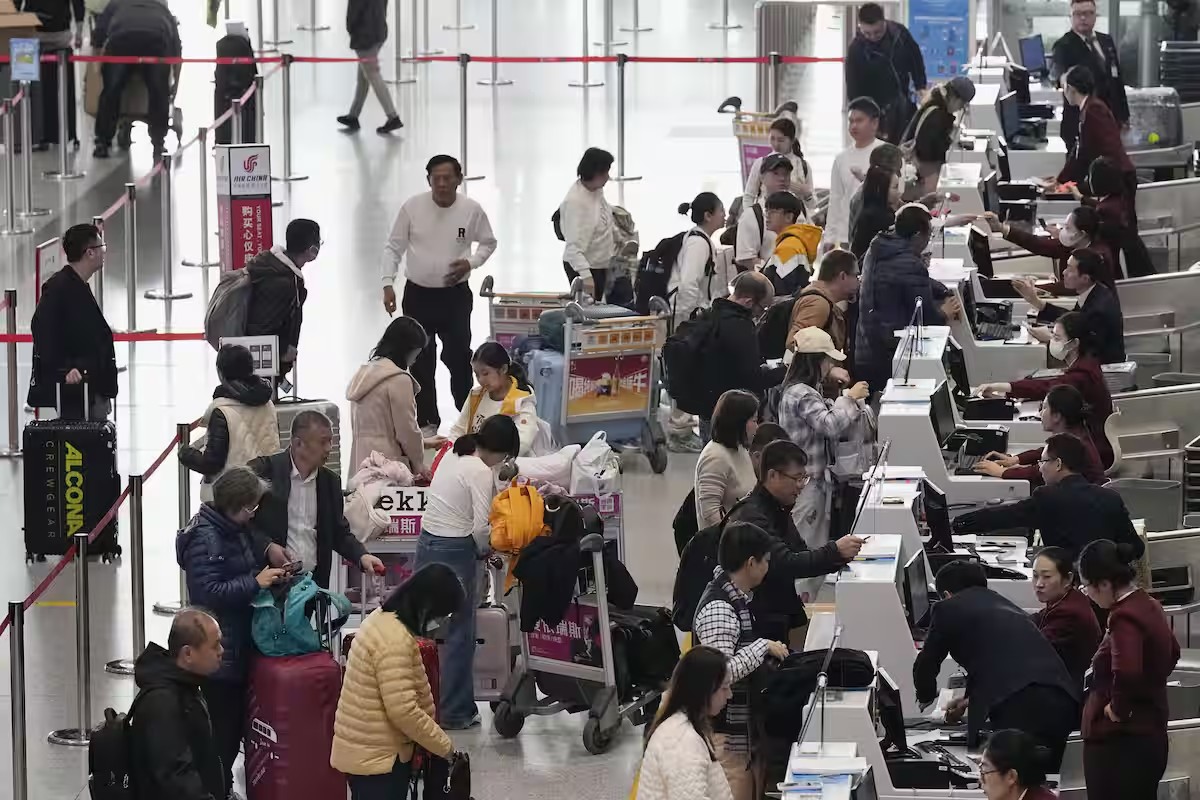
Chinese authorities have pressed domestic travel agencies to scale back travel to Japan, instructing major Chinese travel firms to reduce Japan-related business by around 40%. Around the same time, the Chinese government advised its citizens to refrain from travelling to Japan, stating that PM Takaichi's remarks had damaged the climate for people-to-people exchanges and heightened concerns about the safety of Chinese nationals in Japan. Chinese passport holders are required to obtain visas before travelling to Japan, with applications processed through designated travel agencies within China.
Paywall alert:

 asia.nikkei.com

 www.japantimes.co.jp
Meanwhile, Chinese businesses in Japan that cater to Chinese tourists suffer.
Japanese businesses are looking to adapt by catering to tourists from other parts of the world, a workaround that is proving difficult for the Chinese companies. "Most of our customers are Chinese, and we cannot suddenly pivot to the tourists from Europe or the U.S. We have no clue," said a Chinese employee at a shop renting out traditional Japanese kimonos in the old traditional district of Asakusa in central Tokyo.
Paywall alert:
 asia.nikkei.com
According to Chinese media reports, more than 1,900 Japan-bound flights, or over 40% of the total, were cancelled in China in December, while 2,195 flights will be scrapped in January, also about 40%. In recent years, Japan has been among the most popular destinations for Chinese travellers. But it was not among the top 10 popular overseas locations during the winter holidays in January and February next year, local media said. Japanese statistics showed that visitors from China rose only 3.0% in November from a year earlier, compared with a 22.8% rise in October, amid the travel alert issued by the Chinese government.
Paywall alert:
China urges travel agencies to reduce Japan-bound visitors by 40%
PM Takaichi's comments on Taiwan spark backlash and travel warnings from Beijing
asia.nikkei.com
China orders travel agencies to slash group tours to Japan as dispute festers
One agency has been told to lower the frequency of such tours to about 60% of previous levels, while another has been urged to cancel all sales.
Meanwhile, Chinese businesses in Japan that cater to Chinese tourists suffer.
Visitors from China make up the largest group of tourists in Japan, and an industry has grown up known as yitiao long (one dragon), where their entire itinerary, including accommodation, transportation, entertainment and food, is handled by Chinese-owned businesses in Japan. Services are offered in Chinese, and most financial transactions are conducted online on Chinese payment services. There are no official estimates of yitiao long's size, but a Chinese marketing analyst, who did not wish to be named, said he "wouldn't be surprised" if it exceeded 1 trillion yen ($6.4 billion) per year, looking at how much the Chinese generally spend in Japan and estimates from think tanks on Japan's potential tourism losses from the Tokyo-Beijing spat.
Japanese businesses are looking to adapt by catering to tourists from other parts of the world, a workaround that is proving difficult for the Chinese companies. "Most of our customers are Chinese, and we cannot suddenly pivot to the tourists from Europe or the U.S. We have no clue," said a Chinese employee at a shop renting out traditional Japanese kimonos in the old traditional district of Asakusa in central Tokyo.
Paywall alert:
Exit the dragon: Hard times for Chinese tourism providers in Japan
Chinese businesses struggle to adapt as their compatriots stay away
asia.nikkei.com