Economy Calbee switches to black-and-white packs over Iran war supply crunch

thomas

Unswerving cyclist
Admin
Joined
14 Mar 2002
Messages
21,050
Reaction score
18,903
I find it quite stylish, to be honest. :)

Japanese snack maker Calbee said it would switch some of its flagship products, including its potato chips, to black-and-white packaging as the war involving Iran has tightened supplies of printing ink. The company said the change would apply to 14 products shipped from 25 May onward.
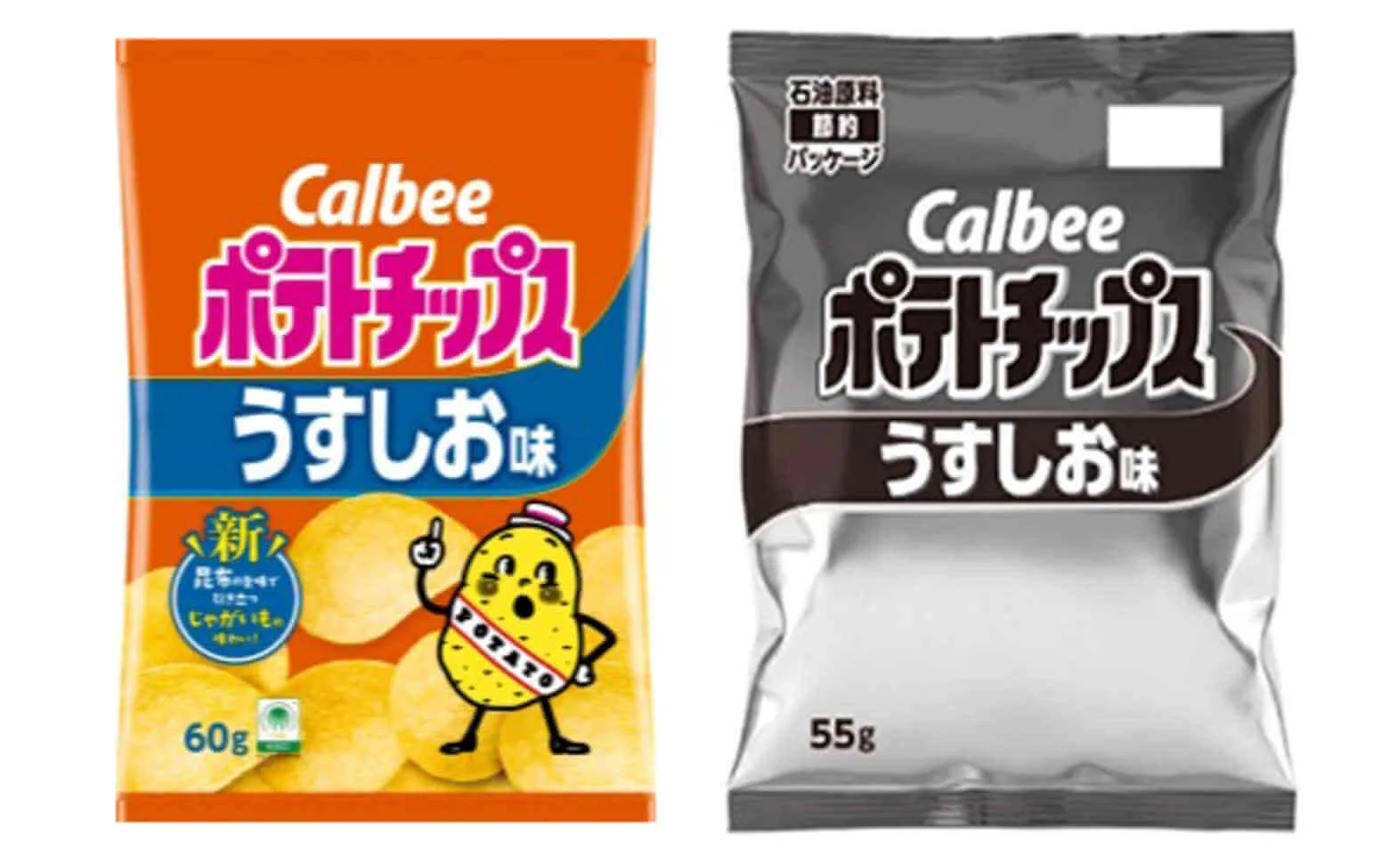
Calbee monochrome

Calbee indicated it had limited the measure to high-volume products to prevent broader disruption across its lineup. The packaging itself will remain mostly unchanged, except for the reduced use of colour. Crude oil prices have climbed sharply since the U.S.-Israeli attacks on Iran. That, in turn, has affected naphtha supplies, a petrochemical used to produce solvents and resins for printing inks. The company cited "tensions in the Middle East" as the cause of instability in raw material supply. Similar problems are reportedly affecting other food manufacturers as well.

"Colourful packaging will become difficult to maintain in the future," food maker Itoham Yonekyu Holdings President Hiroyuki Urata said when presenting earnings on 1 May. "The packaging could become simpler, such as black and white," he said. A midsize beverage manufacturer decided to discontinue some packaging printing for 15 probiotic drink products it produces for major brands, starting in late May.

Paywall alert:
 
I suspect this is more due to a very smart person in marketing than to a need to do this, despite the shortage of naphtha - it seems odd that out of all the manufacturers of brightly packaged foodstuffs in the world, only Calbee is doing this.
I take my hat off to the person who decided this - it's generated a huge amount of free publicity.

PS The Calbee factory tour near Chitose Airport in Hokkaido is worth doing. The Lothor clan enjoyed it very much.
 
Could be marketing but there's a real supply issue and they are smart to get ahead of it.
The stoppage of Japan's oil imports through the Strait of Hormuz has raised questions about what happens to available supplies of petroleum-derived naphtha across a broad range of industries.

For the agricultural industry and food-packaging businesses, worries are particularly acute about what an oil and naphtha shortage could mean to not only agricultural production but also supply chains and individual consumers.
 
Other manufacturers will be taking similar steps:

A midsize beverage manufacturer decided to discontinue some printing on the packaging for 15 probiotic drink products it produces for major brands, starting in late May.

I'd rather have monochrome food packaging than higher prices:

Food manufacturers are alternatively raising prices in response to higher packaging material costs. Mizkan Holdings Co. will raise the recommended retail price of "natto," or fermented soybean, in June, while Yamazaki Baking Co. and Pasco Shikishima Corp. will raise prices for bread and other products from shipments in July.

 
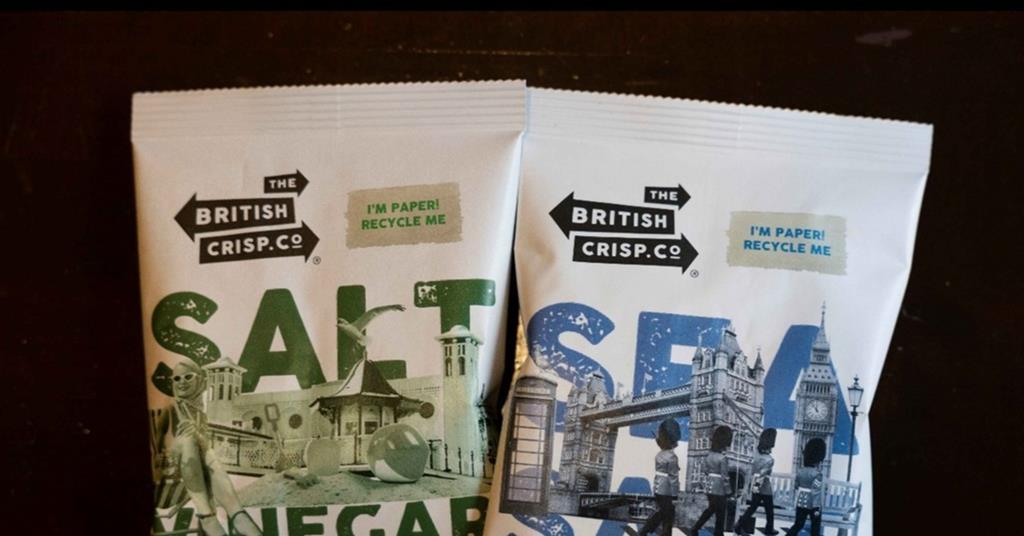
This is all vindicating the point the environmental movement has been making for decades, which most countries and manufacturers have been ignoring: we must reduce our dependence on oil. Crisps (or potato chips, depending on where you're from) don't even need to be packaged in plastic!

 
Maybe when this is all said and done, Trump will have done more for the environment than any other President. This self-inflicted crisis -- along with AI data center needs -- may accelerate alternative energy and alternative packaging technologies far quicker than it would have otherwise as the world wakes up to the risk of the current global dependencies. Unfortunately a lot of people will likely die in the meantime, from famine, etc. It will also accelerate China taking the lead over the U.S. since they have the lead in electrification and clean energy technologies.
 
Other large manufacturers are following suit: Japanese food and beverage maker Kagome Co. said on Thursday it would begin selling some tomato ketchup products in simplified packaging because ink supplies have tightened amid the conflict in the Middle East.

Kagome ketchup new design

The company said shortages of raw materials used to make white ink had affected production. As a result, the lower half of the new ketchup packages will be transparent instead of fully printed with tomato illustrations on a white background, as in the current design. Kagome explained on its website that replacing the white ink was difficult because of printing compatibility issues.

Products adopting the new packaging are the 500-gram, 300-gram and 180-gram tomato ketchup bottles. The company will begin introducing the redesigned packages sequentially from later this month. The decision to simplify its packaging follows a similar move by Calbee Inc., which earlier this week announced plans to begin selling 14 of its potato chip products, including the Lightly Salted, Consomme Punch and Seaweed Salt flavors, in black-and-white packaging in response to a tighter supply of oil-derived naphtha.

 
'The company said shortages of raw materials used to make white ink had affected production.'

Do food companies actually have units in their factories that mix the chemicals into the plastic to colour the packaging? It seems a bit of a stretch from the main business of these companies of food production, and I always imagined that they buy the packaging from other companies that specialise in inks and plastics. (I suppose I could make my own washi, but it's easier to buy paper from someone else when I want to print out an invoice to a customer!)
 
Wouldn't this be a good time for Japan to start properly recycling the not unsubstantial amount of plastic that is burned every year? The average Japanese is already so good at recycling, this should be a non-issue.
Or, you know, do what a lot of other countries have done, not wrap everything in it? Use biodegradable materials instead?
 
Wouldn't this be a good time for Japan to start properly recycling the not unsubstantial amount of plastic that is burned every year? The average Japanese is already so good at recycling, this should be a non-issue.
Or, you know, do what a lot of other countries have done, not wrap everything in it? Use biodegradable materials instead?
Plastic does get collected in my area, supposedly for recycling. Whether it is actually recycled or just gets incinerated or quietly shipped to a poorer country is another question.
 
'The company said shortages of raw materials used to make white ink had affected production.'

Do food companies actually have units in their factories that mix the chemicals into the plastic to colour the packaging? It seems a bit of a stretch from the main business of these companies of food production, and I always imagined that they buy the packaging from other companies that specialise in inks and plastics. (I suppose I could make my own washi, but it's easier to buy paper from someone else when I want to print out an invoice to a customer!)

Might it not simply be an issue affecting their suppliers?
 
Back
Top Bottom