Sake specs
- Prefecture
- Hiroshima (広島)
- Rice type
- Omachi (雄町)
- Polishing rate (semaibuai)
- 50%
- Alcohol content
- 17%
- SMV
- -1.0
- Acidity
- 1.4
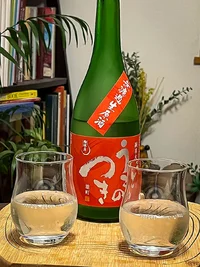
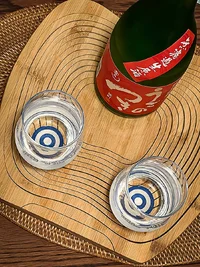
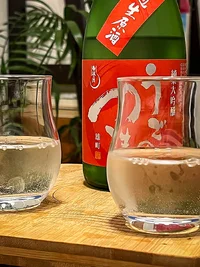
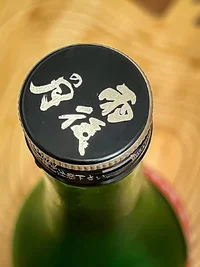
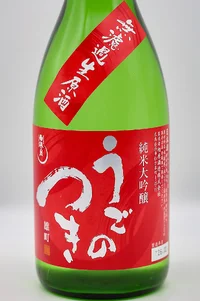
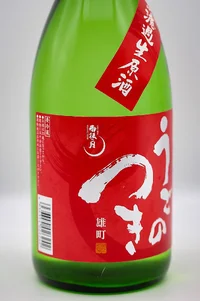
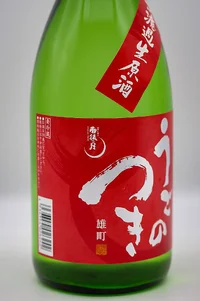
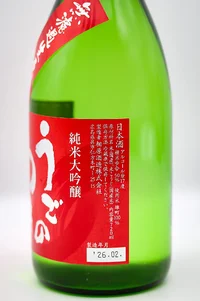
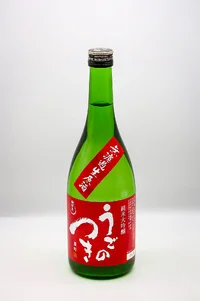
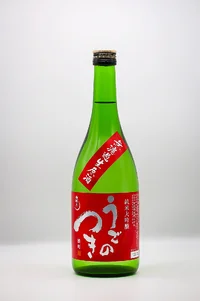
Ugo no Tsuki Junmai Daiginjō Muroka Namagenshu Omachi (雨後の月 純米大吟醸 無濾過生原酒 雄町) is a limited seasonal release from Hiroshima issued each February as part of Aihara Shuzō's rice-focused series. This is the second entry in that line, which explores different sake rice varieties.
It is made with Akaiwa Omachi (赤磐雄町) from Okayama and polished to 50%. Brewed as a junmai daiginjō, it is released as muroka nama genshu (無濾過生原酒), meaning it is unfiltered, unpasteurised and undiluted. The sake is shipped fresh, close to how it comes from the press. The use of Omachi gives it a fuller profile, with noticeable umami and a soft, rounded sweetness, while still maintaining a clean, food-friendly structure. The balance between sweetness and acidity is a key feature, and it is intended to be enjoyed with meals.
The Omachi edition is one of the more popular releases in the series and has received awards at the Omachi Summit over several years. It is generally served slightly chilled, around 5–10°C, to highlight its freshness. At higher temperatures, around 15–20°C, the body and sweetness become more pronounced. The sake pairs well with seasonal dishes such as bamboo shoots, conger eel, and oysters, but works broadly as a food-pairing sake. Produced in limited quantities, it reflects the character of freshly brewed sake and the qualities of Omachi rice in an unprocessed form.





About the brewery
- Brewery
- Aihara Shuzō
- Name in Japanese
- 相原酒造
- Address
- 1-25-15 Nigatahonmachi, Kure, Hiroshima 737-0152
- Phone
- 0823-79-5008
- Website

Aihara Shuzō was founded in 1875, and by 1895, it was brewing saké from 1,700 koku of rice – one of the top three yields in the prefecture. Although operations were suspended during wars, the company has continued to produce saké throughout its history. The company underwent significant changes in 1988 when Junichiro Aihara became president. Determined to make saké of the kind that was delicious to him, he was dedicated to quality above everything else. The company was transformed into a brewery that produced high-quality ginjo saké.
Ugo no Tsuki (雨後の月, "Moon after the Rain") is the most recognisable of the brewery's saké brands. The second-generation Aihara Itaru coined the brand and derived it from a short essay titled "Nature and 'Life", published by the author Tokutomi Kenjirō (徳富健次郎, 1868-1927) in 1900. Tokutomi Kenjirō wrote, "Clear and brilliant in the sky after the rain; the moon shines its light on everything around me."