
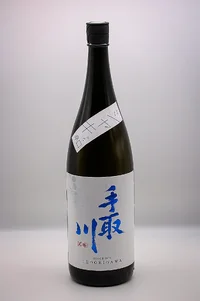
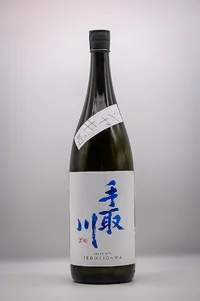
Sake specs
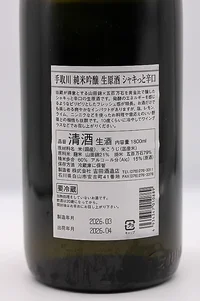
- Prefecture
- Ishikawa (石川)
- Rice type
- Yamada Nishiki (山田錦)
- Polishing rate (semaibuai)
- 60%
- Alcohol content
- 15%
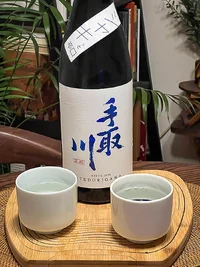
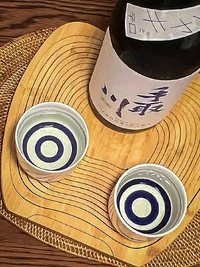
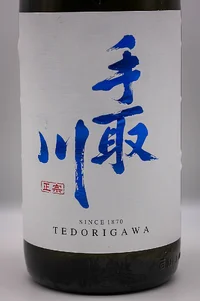
Tedorigawa Junmai Ginjō Namagenshu Shakitto Karakuchi (手取川 純米吟醸生原酒 シャキッと辛口) is a seasonal unpasteurised genshu from Yoshida Shuzōten in Ishikawa Prefecture. It is brewed with Yamada Nishiki (山田錦) as kōji rice and Gohyakumangoku (五百万石) as kakemai, both polished to 60%, and bottled undiluted at 15% alcohol. It is made in a dry, fresh style and reflects one of the brewery's established rice combinations. As a namagenshu, it retains the lively character of an unpasteurised sake, with a clean structure, gentle fruit notes, bright acidity and a firm finish. A subtle mineral quality and rice-derived umami are also part of the profile.
It is intended as a food-oriented sake and pairs particularly well with lightly seasoned dishes, especially those featuring salt, citrus or garlic. The brewery also suggests it with grilled foods and crisp-textured vegetables. Recommended serving temperature is well-chilled, around 5–10°C, ideally in a wine glass or a chilled sake glass.




About the brewery
- Brewery
- Yoshida Shuzōten
- Name in Japanese
- 吉田酒造店
- Address
- 1-chōme Wa-47 Tsurugi Honmachi, Hakusan, Ishikawa 920-2126, Japan
- Phone
- 076-272-1234
- Website
From the beginning, the brewery was shaped by local conditions. Its brewing relied on contract-grown rice, abundant subsoil water from the Tedori River system, and winter kanjikomi (寒仕込み), the cold-season brewing method long associated with the region.
A notable element in its development has been the influence of the Noto and Hokuriku brewing traditions, though the brewery gradually developed its own style. It became particularly associated with careful fermentation management, relatively low-temperature brewing, and, later, elegant expressions of yamahai (山廃), a method for which Tedorigawa became especially well known. More recently, the brewery has also emphasised all-junmai production and increasingly precise, small-lot brewing. The current seventh-generation head, Yoshida Yasuyuki (吉田泰之), also serves as tōji, a still relatively uncommon dual role.
Its brewing philosophy encompasses the concepts of fueki ryūkō (不易流行), preserving essentials while adapting to change, and sanpō yoshi (三方よし), the Ōmi merchant ideal of benefit for seller, buyer and society, have been explicitly adopted as guiding principles. These ideas have informed everything from local rice contracts to pricing philosophy and the brewery's food-oriented approach to sake.
There are also technical details that set the brewery apart. Tedorigawa places particular emphasis on gently, slowly polishing rice to reduce stress on the grain before brewing. The brewery also speaks of treating each stage, washing, steaming, kōji making, and fermentation, as cumulative rather than isolated, in which small differences affect the whole. This attention to process was brought to wider attention through the 2015 documentary The Birth of Saké, filmed at the brewery during a brewing season. Yoshida Shuzōten remains one of Ishikawa's most recognised breweries, producing labels such as Tedorigawa (手取川) and Yoshidagura (吉田蔵).