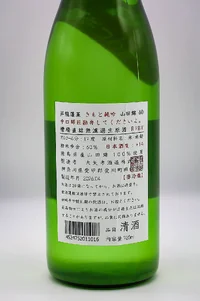
Sake specs
- Prefecture
- Kanagawa (神奈川)
- Rice type
- Yamada Nishiki (山田錦)
- Polishing rate (semaibuai)
- 60%
- Alcohol content
- 17%
- SMV
- +14.0
- Acidity
- 2.2
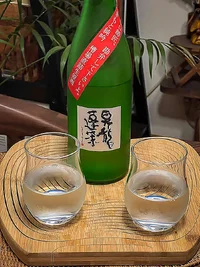
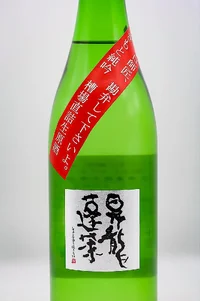
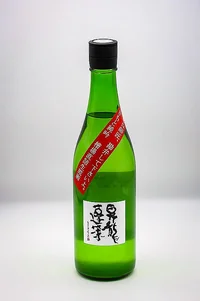
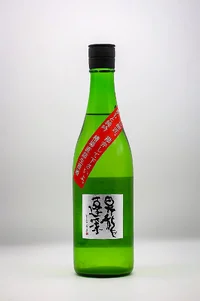
Shōryū Hōrai Kimoto Junmai Ginjō Karakuchi "Shishō, Give Me a Break!" - Fune-ba Jikadzume Namagenshu (昇龍蓬莱 生もと純吟 辛口師匠、勘弁して下さいよ。槽場直詰生原酒) has quite a long official name. "Master, Give Me a Break!" refers to its super-dry nature, with an SMV of +14.0.
It is a limited muroka namagenshu, brewed using the traditional kimoto method and made from Yamada Nishiki rice polished to 60%. The sake was fermented slowly at low temperatures until reaching an exceptionally dry sake meter value of +14.
Originally, the brewery intended to pasteurise and dilute the sake after pressing. However, impressed by the quality of the finished brew, they decided instead to bottle it directly at the pressing stage (fune-ba jikagumi 槽場直汲み) as unfiltered, unpasteurised, undiluted sake.
After pressing, the sake was matured for around six months in the brewery's sub-zero refrigerated storage. This ageing process allows the umami to deepen while preserving vivid acidity and a crisp, refreshing finish. Because the sake is bottled with minimal exposure to air, it retains a high level of naturally occurring carbonation produced during fermentation, giving it a lively, lightly sparkling texture.
The label itself has become well known for its playful name, roughly translated as "Master of Dry Sake, Give Me a Break!", emphasising the bold extra-dry style. While the sake is technically a kimoto junmai ginjō muroka nama genshu, the brewery chose a more humorous and memorable product title to highlight its distinctive character. The brewery describes the sake as combining sharp dryness, strong acidity, and rich umami while avoiding excessive harshness. Its brisk, clean finish makes it particularly suited to food pairings, especially soba and savoury Japanese dishes.










About the brewery
- Brewery
- Ōyatakashi Shuzō
- Name in Japanese
- 大矢孝酒造
- Address
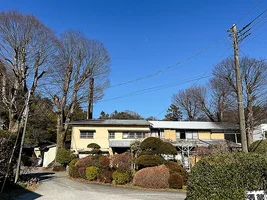
- 521 Tashiro, Aikawa-cho, Aiko-gun, Kanagawa 243-0306
- Phone
- 046-281-0028
- Website

大矢孝酒造 | 神奈川の愛川町の全量純米蔵
大矢孝酒造では、2008年から蔵で醸す全ての酒を醸造アルコールを添加しないで造る「純米酒」のみに切り替え、全量純米蔵へとシフトしました。 気取らずに毎日飲めて、食事をよりいっそう楽しめる…そんなお酒を造ることを目標に、生酛造りの「昇龍蓬莱」と速醸造りの「残草蓬莱」を造っています。 oyatakashi-shuzo.com
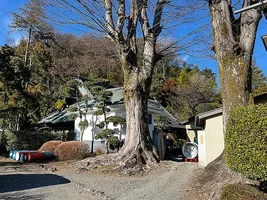
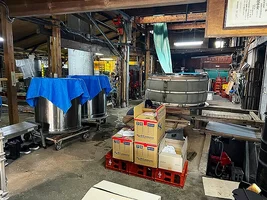
The origins of Ōyatakashi Brewery date back to the Battle of Mimasetōge (三増峠の戦い) in 1569, when Takeda Shingen of Kai and Hōjō Ujiyasu of Odawara fought in the village of Aikawa, where the brewery is now located. The first-generation Ōya was a cavalry commander in the Hōjō forces but left the samurai profession after the battle, later serving as a feudal lord for several generations. Later, he took over brewing shares from a brewer in the town of Ōiso in present-day Kanagawa Prefecture and started a brewing business, the origin of Ōyatakashi.
Ōya Shunsuke (大矢俊介) is the 8th-generation brewmaster. The town of Aikawa, where the brewery is located, is in northwestern Kanagawa Prefecture. The mountains before the brewery produce wild vegetables in spring, and the rivers catch landlocked salmon and rainbow trout. Ayu (sweetfish) can be caught in early summer, and deer and wild boar can be caught in late autumn, enjoying seasonal flavours. Sake also has seasonal flavours.
In 2008, the Ōyatakashi became a Junmai-only brewery, producing sake that can be enjoyed daily with meals. The brewery produces Hōrai Hōrai, brewed quickly, and Shōrai Hōrai, made from fresh yeast. Every year, the brewery experiments with new sake rice, the rice polishing ratio and the method of kōji making, producing seasonal products in small volumes, such as "Shirokushiki" (四六式) using white kōji and low-alcohol "Queeen".
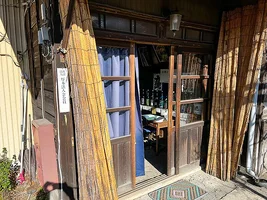
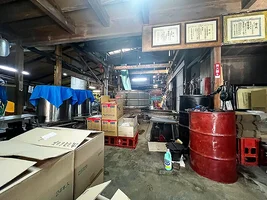
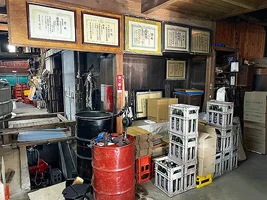
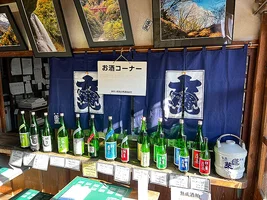
Ōyatakashi Brewery offers tours where visitors can learn about the sake-making process and sample its sake.
Ōya Shunsuke (大矢俊介) is the 8th-generation brewmaster. The town of Aikawa, where the brewery is located, is in northwestern Kanagawa Prefecture. The mountains before the brewery produce wild vegetables in spring, and the rivers catch landlocked salmon and rainbow trout. Ayu (sweetfish) can be caught in early summer, and deer and wild boar can be caught in late autumn, enjoying seasonal flavours. Sake also has seasonal flavours.
In 2008, the Ōyatakashi became a Junmai-only brewery, producing sake that can be enjoyed daily with meals. The brewery produces Hōrai Hōrai, brewed quickly, and Shōrai Hōrai, made from fresh yeast. Every year, the brewery experiments with new sake rice, the rice polishing ratio and the method of kōji making, producing seasonal products in small volumes, such as "Shirokushiki" (四六式) using white kōji and low-alcohol "Queeen".
Ōyatakashi Brewery offers tours where visitors can learn about the sake-making process and sample its sake.