Sake specs
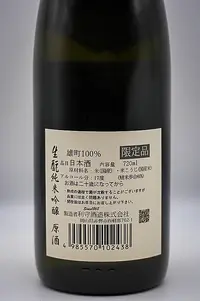
- Prefecture
- Okayama (岡山)
- Rice type
- Omachi (雄町)
- Polishing rate (semaibuai)
- 60%
- Alcohol content
- 17%
- SMV
- +3~4
- Acidity
- 1.9~2.0
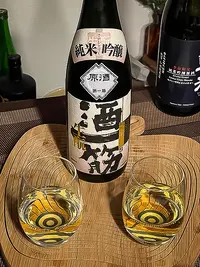
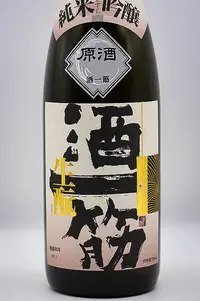
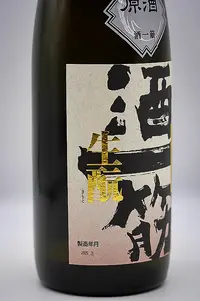
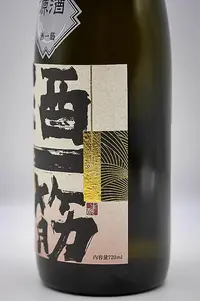
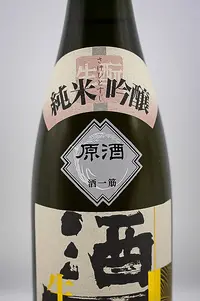
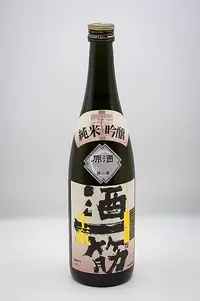
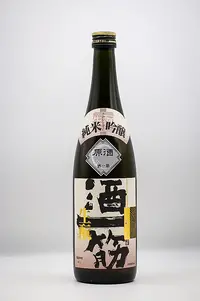
Sake Hitosuji Kimoto Junmai Ginjō Genshu (きもと純米吟醸 原酒) is brewed using the Kimoto method, a traditional procedure passed down since the Edo period that takes more than twice the time of standard brewing. It relies on the natural development of lactic acid bacteria and yeast, cultivated without additives. The result is a sake rich in depth and umami—characteristic of the kimoto style—with a clean, smooth finish. It can be enjoyed either chilled or warm. While it is similar to "Jidai Okure Yamahai," this kimoto version tastes drier. It is a refined sake that offers a well-balanced harmony between the robust umami of rice and the distinct acidity unique to kimoto brewing. It pairs exceptionally well with rich, fatty dishes such as grilled meat or oily fish. It's also recommended to warm with dishes like yakiniku or sushi, but it can be enjoyed chilled, on the rocks, at room temperature, or warm.






About the brewery
- Brewery
- Toshimori Shuzō
- Name in Japanese
- 利守酒造
- Address
- 762-1 Nishikarube, Akaiwa, Okayama 701-2215
- Phone
- 086-957-3117
- Website
- Online store
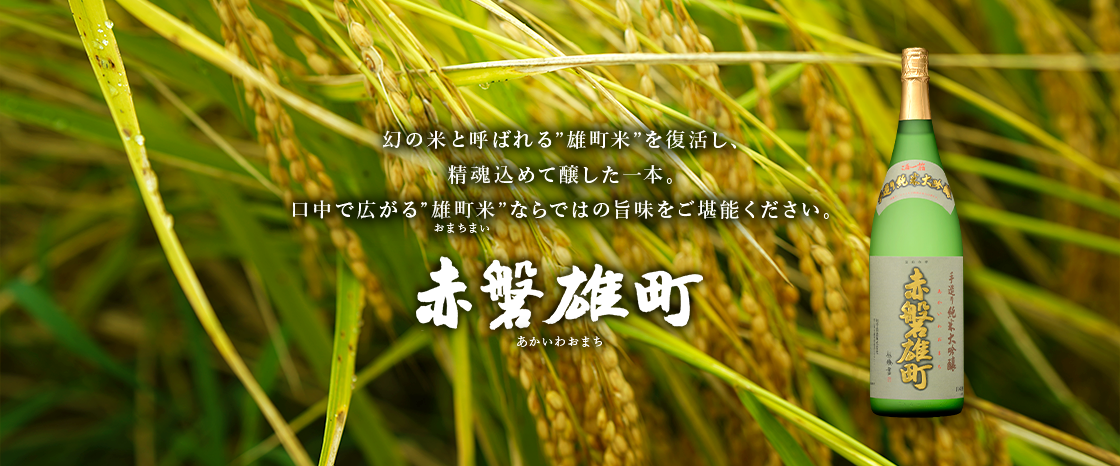
赤磐雄町(あかいわおまち)・酒一筋 公式| 利守酒造
赤磐雄町 (あかいわおまち) 幻の米と呼ばれる”雄町米”を復活し、丹精込めて醸した「赤磐雄町」 商品一覧はこちsakehitosuji.co.jp

Located in Karube, an area long renowned for producing some of the finest Omachi rice, the brewery has played a key role in reviving this historically significant sake rice variety. With dedication and conviction, it succeeded in restoring the once-lost Karube-grown Omachi rice, bringing it back to prominence under the name Akaiwa Omachi Mai. The use of this rice is known to enhance the complexity and depth of its sake.
Following the philosophy that "sake brewing begins with rice cultivation," Toshimori Shuzō is committed to growing its own rice, striving to create a fully integrated production process from the fields to the final brew. While maintaining traditional brewing methods, the brewery continues refining its approach to suit contemporary tastes, ensuring that its sake remains rooted in tradition and adaptable to the present.