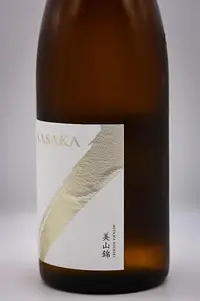
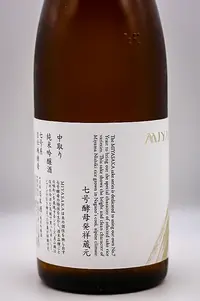
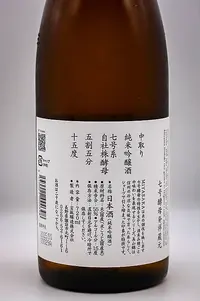
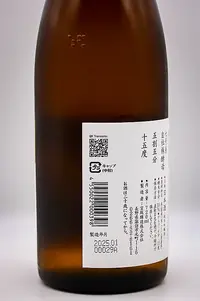
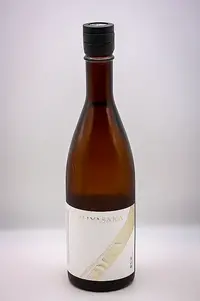
Sake specs
- Prefecture
- Nagano (長野)
- Rice type
- Miyama Nishiki (美山錦)
- Polishing rate (semaibuai)
- 55%
- Alcohol content
- 15%
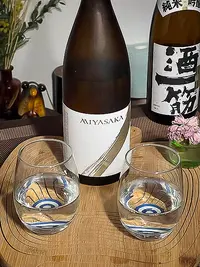
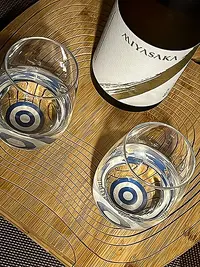
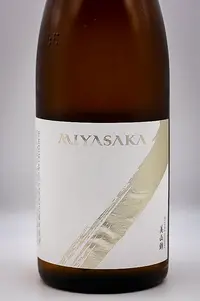
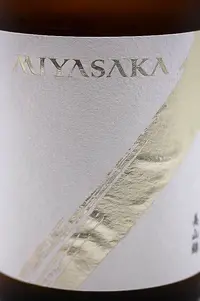
Miyasaka Miyamanishiki (みやさか 美山錦) is made using Miyamanishiki rice grown in Nagano and milled to 55%, as well as Association No. 7 yeast. It has a sharp, firm flavour, typical of rice grown in the cool climate of Shinshū. It is bottled directly from the heart of the moromi, offering a particularly luxurious expression. A clear, refined flavour distinguishes its profile. The aroma remains modest yet elegant, carrying the gentle floral notes typical of a ginjō style. The palate opens with a smooth texture and a refreshing, light effervescence. Layers of umami and delicate sweetness emerge, supported by a lively acidity that rises from within, while a subtle, complex bitterness from the rice adds depth and structure. The finish is crisp and clean, perfectly highlighting the character of Miyamanishiki rice, which is cultivated in the cool climate of Shinshū. It delivers a pure and beautiful taste that fully reveals the potential of its ingredients.
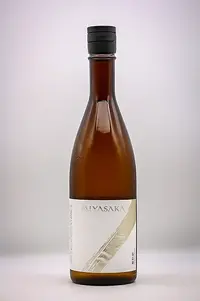







About the brewery
- Brewery
- Miyasaka Brewery
- Name in Japanese
- 宮坂醸造
- Address
- 1-16 Motomachi, Suwa City, Nagano Prefecture, 392-8686
- Phone
- 0266-52-6161
- Website
真澄 蔵元 | 宮坂醸造株式会社(信州諏訪 7号酵母発祥の酒蔵)
 www.masumi.co.jp
- Online store
MIYASAKA みやさか | 宮坂醸造株式会社
信州諏訪の酒蔵『真澄』によって創られる新しい時代に向けたブランド『MIYASAKA』。米・水・風土と、それを醸す酵母が産み出す極上の味わいをお楽しみください。miyasaka-sake.jp
Miyasaka Brewing Company (宮坂醸造株式会社) was founded in 1662 in Suwa, Nagano Prefecture, and is one of Japan's oldest breweries specialising in sake. Its origins lie with the Miyasaka family, who had served as samurai retainers to the lords of the Suwa domain. After the tumultuous Warring States period (戦国時代), the family transitioned from their martial responsibilities to the production of sake, utilising Suwa's abundant pure water sources, fertile land, and cool climate—ideal conditions for brewing high-quality rice wine.
The brewery named its signature brand "Masumi" (真澄) after the Masumi no Kagami (真澄の鏡), the "Mirror of Masumi," a sacred treasure kept at Suwa Taisha (諏訪大社), the region's principal Shinto shrine. The name symbolised clarity, purity, and excellence—qualities the brewery aspired to embody. Miyasaka Brewing faced considerable difficulties in the early 20th century, including economic hardships that jeopardised the company's future. In 1921, Masaru Miyasaka (宮坂 勝, dates unknown), then president of the brewery, made the decisive choice to appoint Chisato Kubota (久保田 千里, 1893–1972), then 28 years old, as the head brewer (杜氏, tōji). Kubota and Masaru travelled extensively across Japan to study brewing techniques under master brewers (杜氏), gathering the knowledge necessary to reform and modernise their production methods.
Their efforts led to notable success: in 1943, Masumi sake won first prize at the National Sake Competition (全国新酒鑑評会). In 1946, Masumi Sake achieved even greater acclaim when it claimed the top three awards at the same competition. This achievement caught the attention of the National Research Institute of Brewing (独立行政法人 酒類総合研究所). During their investigations, a new yeast strain was discovered in the Masumi fermentation tanks—designated as Association Yeast No. 7 (協会7号酵母, Kyōkai Nanagō Kōbo). This yeast, prized for producing sakes with an elegant aroma and a delicate balance of flavour, was soon distributed throughout Japan and became one of the country's most widely used sake yeasts.
In 2002, Miyasaka Brewing released a special sake named "Nanago" (七号, meaning "Number 7") to commemorate the significance of this yeast. Miyasaka Brewing Company continues to produce premium sakes under the Masumi label, combining traditional techniques with innovative approaches, maintaining its stature as a respected name in Japan and internationally.
The brewery named its signature brand "Masumi" (真澄) after the Masumi no Kagami (真澄の鏡), the "Mirror of Masumi," a sacred treasure kept at Suwa Taisha (諏訪大社), the region's principal Shinto shrine. The name symbolised clarity, purity, and excellence—qualities the brewery aspired to embody. Miyasaka Brewing faced considerable difficulties in the early 20th century, including economic hardships that jeopardised the company's future. In 1921, Masaru Miyasaka (宮坂 勝, dates unknown), then president of the brewery, made the decisive choice to appoint Chisato Kubota (久保田 千里, 1893–1972), then 28 years old, as the head brewer (杜氏, tōji). Kubota and Masaru travelled extensively across Japan to study brewing techniques under master brewers (杜氏), gathering the knowledge necessary to reform and modernise their production methods.
Their efforts led to notable success: in 1943, Masumi sake won first prize at the National Sake Competition (全国新酒鑑評会). In 1946, Masumi Sake achieved even greater acclaim when it claimed the top three awards at the same competition. This achievement caught the attention of the National Research Institute of Brewing (独立行政法人 酒類総合研究所). During their investigations, a new yeast strain was discovered in the Masumi fermentation tanks—designated as Association Yeast No. 7 (協会7号酵母, Kyōkai Nanagō Kōbo). This yeast, prized for producing sakes with an elegant aroma and a delicate balance of flavour, was soon distributed throughout Japan and became one of the country's most widely used sake yeasts.
In 2002, Miyasaka Brewing released a special sake named "Nanago" (七号, meaning "Number 7") to commemorate the significance of this yeast. Miyasaka Brewing Company continues to produce premium sakes under the Masumi label, combining traditional techniques with innovative approaches, maintaining its stature as a respected name in Japan and internationally.