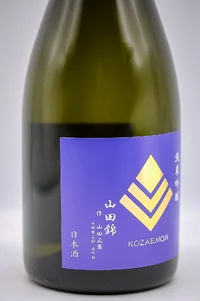
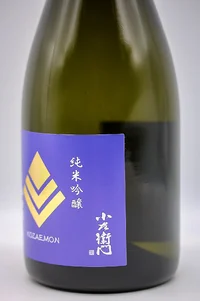
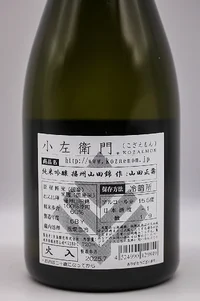
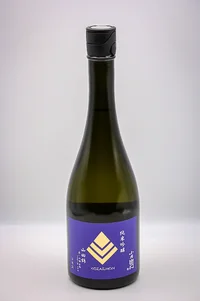
Sake specs
- Prefecture
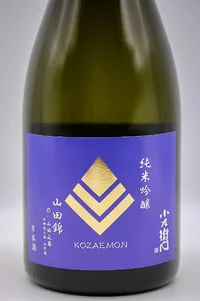
- Gifu (岐阜)
- Rice type
- Yamada Nishiki (山田錦)
- Polishing rate (semaibuai)
- 60%
- Alcohol content
- 15.5%
- SMV
- -1.0
- Acidity
- 1.9
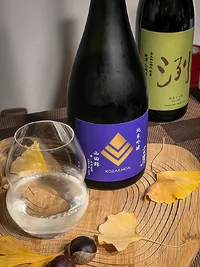
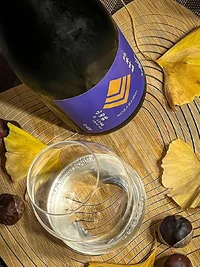
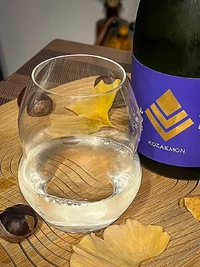
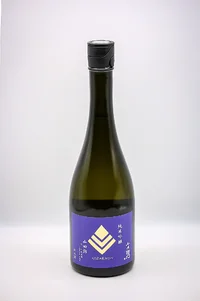
Kozaemon Junmai Ginjō Banshu Yamadanishiki (小左衛門 純米吟醸 播州山田錦) is made with Yamadanishiki rice grown by Masatoshi Yamada in Taka District, Hyōgo Prefecture. He is a direct descendant of Seizaburō Yamada, who developed Yamada Nishiki in the early Shōwa period by crossing Yamada-hō and Tankan Wataribune, a step that led to its wide use in sake brewing. The rice was brewed and pressed in early March, then aged slowly at near-freezing temperatures. The sake is pasteurised and focuses on the natural character of the rice and a clean, straightforward brewing style.
Aromata are moderate and clean, with notes reminiscent of pineapple and muscat grapes. On the palate, the sake shows a firm but clear umami structure, followed by a light, crisp finish. The overall impression is fresh, transparent and well-defined. It is best enjoyed lightly chilled. The sake pairs well with seasonal vegetables, tempura, grilled vegetables, and summer fish dishes such as conger eel, horse mackerel preparations, sweetfish tempura, and dengaku-style foods.





About the brewery
- Brewery
- Nakajima Shuzō
- Name in Japanese
- 中島醸造
- Address
- 7181-1 Tokicho, Mizunami, Gifu 509-6101
- Phone
- 0572-68-3151
- Website
The brewery's direction changed noticeably in the late 1990s, when it began experimenting with aged sake and looking for ways to place its products in a different cultural setting. This led to the introduction of labels featuring artwork by the painter Paul Klee, whose gentle lines and colours gave the bottles a distinct identity. Under the Shiroku (始禄) label, Nakajima released three sakes with their own moods and stories: Hansen (帆船), Ayumi (歩み) and Wasureppoi tenshi (忘れっぽい天使). Each marked a slight departure from convention while still staying true to the family's brewing roots. The launch of the Kozaemon brand in 2000 continued that process, giving the brewery a clear, recognisable name for its core line.
A more practical change came in 2018, when Nakajima completed a new brewery building. The updated facilities enabled them to move away from the old winter-only brewing cycle and adopt year-round seasonal production. With that shift, they began offering a wider range of limited- and seasonal-sake offerings, reflecting the character of each brewing period while maintaining the steady, careful approach that has carried the family brewery through more than three centuries.