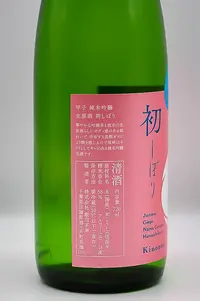
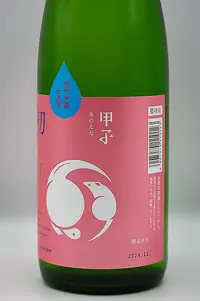
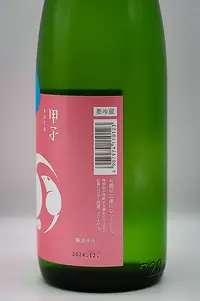
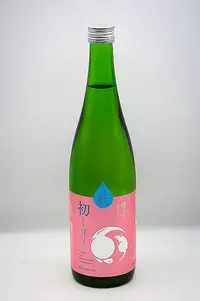
Sake specs
- Prefecture
- Chiba (千葉)
- Rice type
- Gohyakumangoku (五百万石)
- Polishing rate (semaibuai)
- 58%
- Alcohol content
- 16%
- SMV
- ±0
- Acidity
- 2.0
- Amino acid level
- 1.2
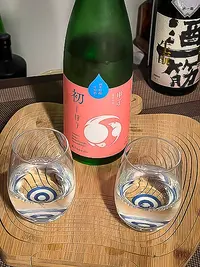
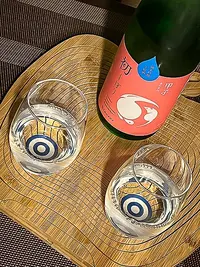
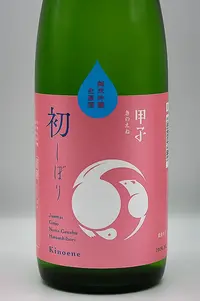
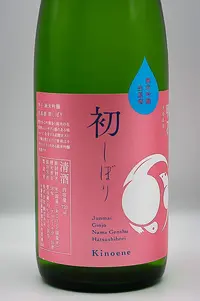
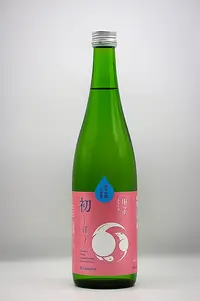
Kinoene Junmai Ginjō Namagenshu Hatsushibori (甲子 純米吟醸生原酒 初しぼり) is made of Gohyakumangoku from Toyama and Yamadanishiki rice from Hyōgo milled to 58% and 50%, respectively. It has a gorgeous, fruity ginjō aroma, a full-bodied flavour typical of unpasteurised Junmai, and a pleasant, fresh aroma with refreshing acidity, subtle fizziness and a clean and crisp aftertaste. Best served chilled or on the rocks.






About the brewery
- Brewery
- Iinuma Honke
- Name in Japanese
- 飯沼本家
- Address
- 106 Mabashi, Shisui, Imba District, Chiba 285-0914
- Phone
- 043-496-1111
- Website

飯沼本家
かつての日々の生活になくてはならないものであった日本酒は今、最大の岐路に直面しています。冠婚葬祭などの場面でも必需品ではなくなり、常に選ばれるものではなくなりました。しかし日本酒が文化の一翼を担っていたことは紛れもない事実です。私たちは酒が醸してきた「文化」を見つめなおすことで、「人」と「酒」が造りだす新しい価値を創造していきたいと思っています。www.iinumahonke.co.jp
Iinuma Honke Brewery is located in Shisui, Imba District in Chiba Prefecture. It was founded in the Genroku Period (1688-1704). The Iinuma family initially engaged in agriculture and forestry but began brewing sake after the Edo Shogunate permitted them to produce sake dedicated to shrines and temples. It was not until the end of the Edo period that they began making sake for commercial purposes and became official sake brewers. Sake brewing as a business started during the transition from Edo to the Meiji period . The government granted sake brewing licences to influential local figures to secure finances, with the payment of a liquor tax as an obligation.
In 1938, the company increased its stone milling capacity and introduced a rice-polishing machine to expand its business further. Since then, the company has continued to focus on in-house rice milling. Today, only a few breweries in the prefecture polish their rice.
In 1981, the current head of the company, Iinuma Kiichirō (飯沼喜市郎), was appointed head of the company. As mass production and consumption became mainstream and people turned their attention to national brands, he tried hard to promote jizake and ensure that the Iinuma family's sake was on the local market. As Japan's rapid economic growth ended, society's values shifted away from "big things" to "small things that are distinctive and of high quality", which encouraged a boom in local sake. Currently, five brewers efficiently produce 1,900 koku . While respecting tradition, the brewery has a firm concept and values the flexibility of the toji and brewers to make the sake they want to drink and is constantly challenging new tastes.
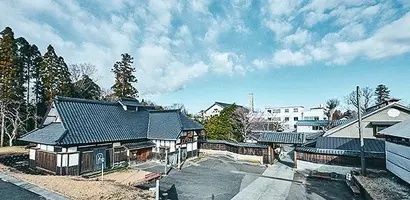
In October 1995, the shop began operating as a customer service building and later opened the Sakasai Magari House (酒々井まがり家), which also houses a shop and gallery. The shop sells products made from home-grown produce and holds exhibitions by local artists, mainly from Chiba.
In 1938, the company increased its stone milling capacity and introduced a rice-polishing machine to expand its business further. Since then, the company has continued to focus on in-house rice milling. Today, only a few breweries in the prefecture polish their rice.
In 1981, the current head of the company, Iinuma Kiichirō (飯沼喜市郎), was appointed head of the company. As mass production and consumption became mainstream and people turned their attention to national brands, he tried hard to promote jizake and ensure that the Iinuma family's sake was on the local market. As Japan's rapid economic growth ended, society's values shifted away from "big things" to "small things that are distinctive and of high quality", which encouraged a boom in local sake. Currently, five brewers efficiently produce 1,900 koku . While respecting tradition, the brewery has a firm concept and values the flexibility of the toji and brewers to make the sake they want to drink and is constantly challenging new tastes.
In October 1995, the shop began operating as a customer service building and later opened the Sakasai Magari House (酒々井まがり家), which also houses a shop and gallery. The shop sells products made from home-grown produce and holds exhibitions by local artists, mainly from Chiba.