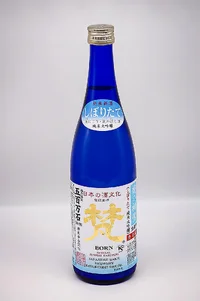
Sake specs
- Prefecture
- Fukui (福井)
- Rice type
- Gohyakumangoku (五百万石)
- Polishing rate (semaibuai)
- 50%
- Alcohol content
- 16%
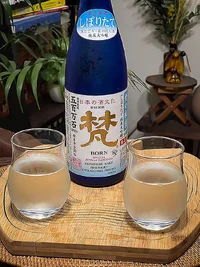
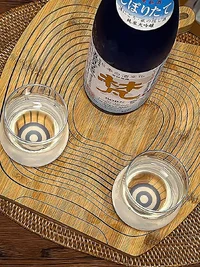
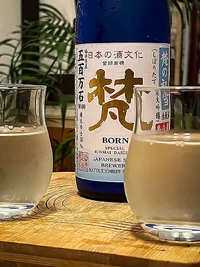
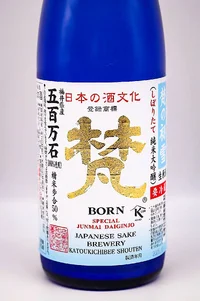
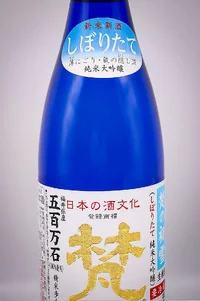
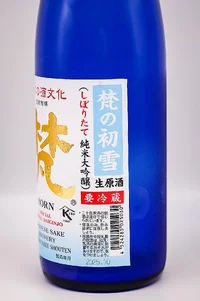
Bon no Hatsuyuki Shiboritate Namagenshu Gohyakumangoku Junmai Daiginjō (梵の初雪 しぼりたて生原酒 五百万石 純米大吟醸) is a seasonal winter release produced by Katō Kichibē Shōten in Fukui Prefecture . Unlike most sake in the Born lineup, which is typically matured at sub-zero temperatures before release, this sake is bottled and shipped shortly after pressing to preserve the freshness and character of newly brewed sake.
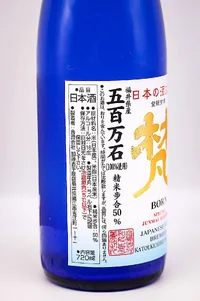
The sake is brewed with newly harvested Gohyakumangoku rice from Fukui Prefecture, polished to 50%, a specification introduced from the 2019 brewing year onward, elevating the product to junmai daiginjō classification. It is bottled as a lightly cloudy (薄にごり usu-nigori) nama genshu, retaining fine rice sediment and the vivid aroma and texture of freshly pressed sake.
Katō Kichibē Shōten describes the sake as combining a refined and refreshing aroma with pronounced rice umami and a moderately rich, slightly dry profile. The clear upper layer offers a sharper, cleaner impression, while mixing in fine sediment adds greater softness and depth to the palate. Freshness, gentle richness, and crisp structure are well-balanced.
Born "Hatsuyuki" can be enjoyed in several ways depending on temperature. The brewery especially recommends serving it well chilled to highlight its freshness and sharpness, though it can also be enjoyed over ice. For drinkers who prefer a softer expression, lightly warming the sake and then letting it cool slightly (燗冷まし kanzamashi) is also recommended. The sake pairs well with a wide range of foods, including Japanese dishes, lightly salted fish, tempura, cheese, ajillo, and roasted nuts. Produced only during the winter brewing season and in limited quantities, it has become one of the brewery's recurring seasonal releases associated with winter's arrival.
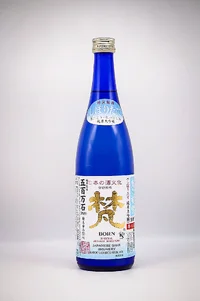





About the brewery
- Brewery
- Katō Kichibei Shōten
- Name in Japanese
- 加藤吉平商店
- Address
- 1-11 Yoshiechō, Sabae, Fukui 916-0001
- Phone
- 0778-51-1507
- Website
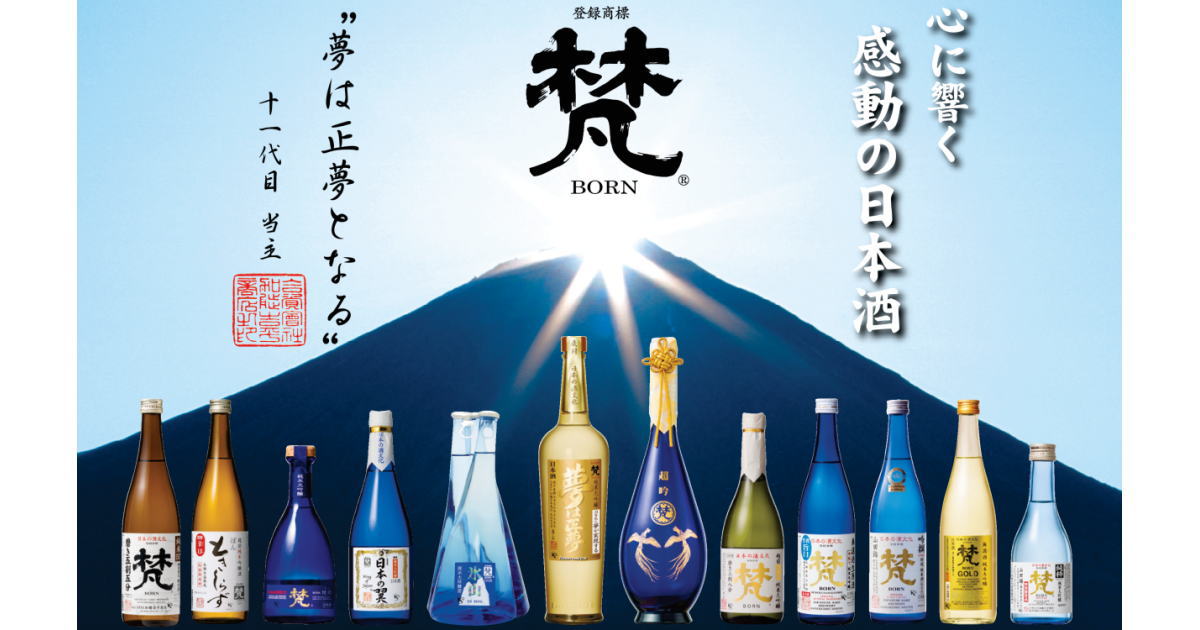
In 1969, Born began the trial release of Japan's first commercially available Daiginjō sake, Bon Chotokusen Deluxe'' (梵 超特撰デラックス), while two years later, the first commercially produced aged sake, "Bonsan Sannen Sake Old" (梵 三年酒オールド) was launched. Born's sake was served when Japan Railways (JR) was privatised in 1986 and used in international events, like state banquets. In 1998, Bon Iceberg (梵・氷山) won the first prize at the International Sake Festival in Toronto, Canada. This was the start of a series of awards at the National Sake Competition, the International Wine Challenge (IWC) and other competitions, and has won numerous top prizes at world-class sake competitions held overseas. In July 2000, Bon Gin no Tsubasa (梵 吟の翼) won the first prize in the Grand Prix at the International Sake Festival in London, and in commemoration of this, the trademark was changed to Wing of Japan in December of the same year.
Today, the Bon brand is officially registered as a trademark in over 100 countries and regions. It is exported to more than 40 countries for the private sector and to more than 70 countries for diplomatic missions (embassies and consulates) abroad.