


- 14 Mar 2002
- 21,050
- 18,903
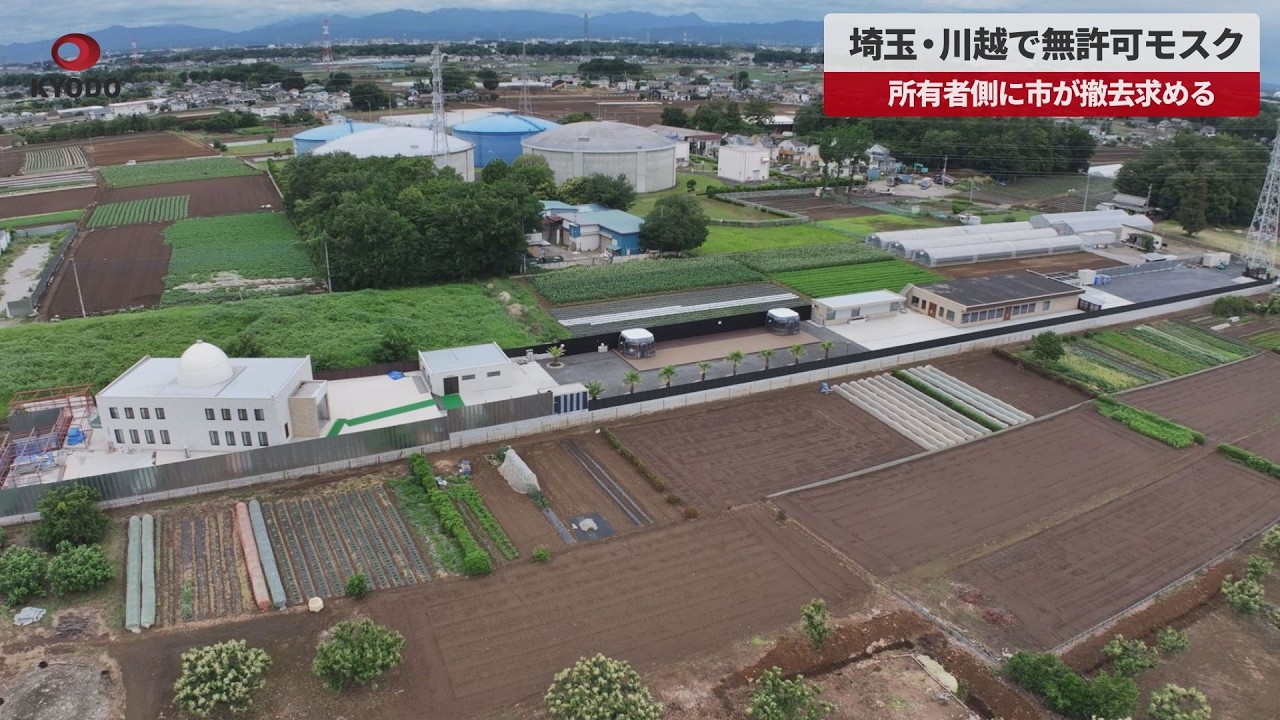
A mosque built in Kawagoe, Saitama Prefecture, without the necessary approvals and now facing a demolition order, has drawn growing attention after it officially opened with the participation of Pakistan's ambassador to Japan. The Ramadan Grand Mosque was constructed on a 4,500-square-metre site. The land is classified as mountain forest inside an urbanisation control zone, where strict development restrictions apply.
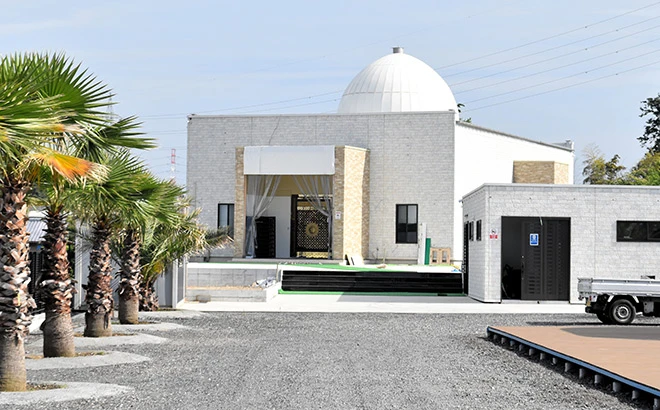
Grand Ramadan Mosque in Kawagoe (photo credit: Naganuma Jin).
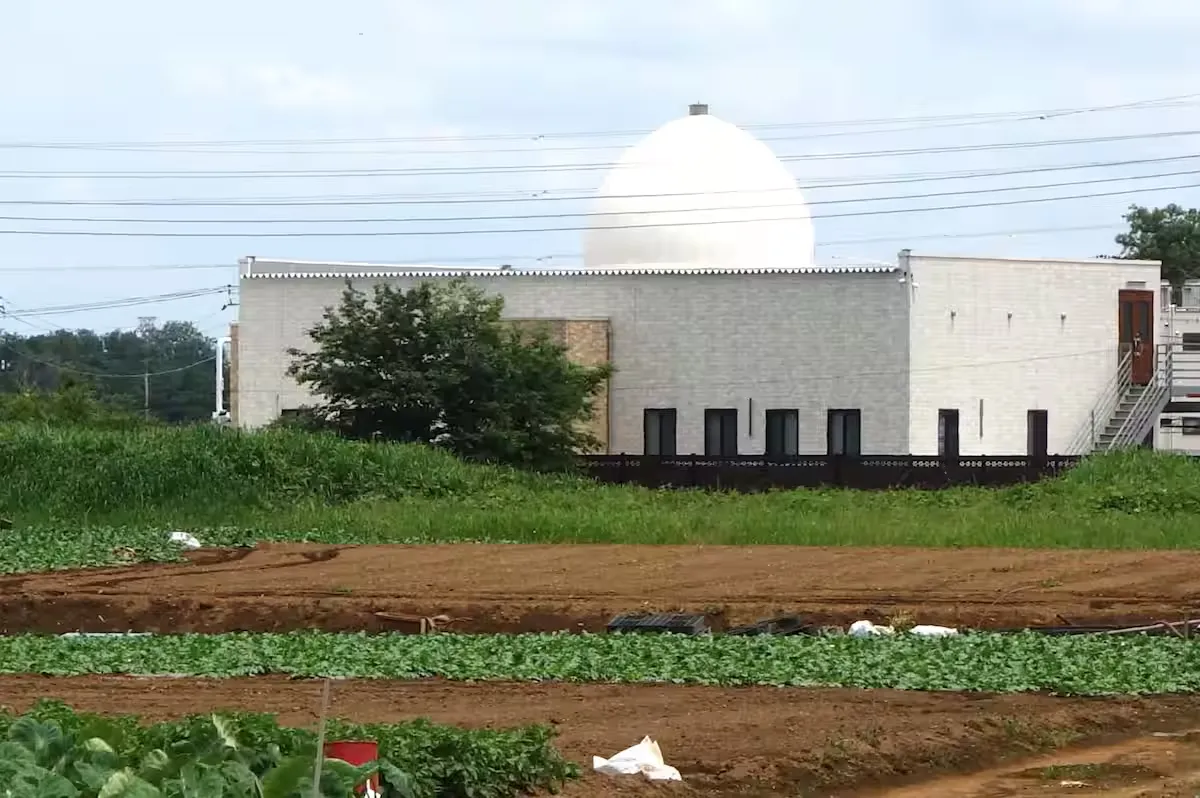
Photographs of the site show a large, white-domed structure standing in open countryside, surrounded by fields and wooded areas. Kawagoe Mayor Hatsue Morita said this week that the city could not accept the current situation and was working to resolve the matter as quickly as possible. According to Sankei News, Morita described the mosque as an illegal structure built without permission in a controlled development area. She reportedly said the city wanted the building demolished as soon as possible and was considering how to proceed with guidance and enforcement measures.
The dispute has become one of the most closely watched planning conflicts involving a mosque in Japan in recent years. It has also highlighted the country's growing Muslim population and the difficulties local governments sometimes face when balancing religious facilities with zoning and development regulations. City officials said they first learned of the project in October 2024 after residents reported construction of a steel-frame building. By the time inspectors arrived at the site, the exterior was nearly complete.

 www.independent.co.uk
 japan-forward.com
The statement of the Pakistani Embassy in Japan:
Grand Ramadan Mosque in Kawagoe (photo credit: Naganuma Jin).
Photographs of the site show a large, white-domed structure standing in open countryside, surrounded by fields and wooded areas. Kawagoe Mayor Hatsue Morita said this week that the city could not accept the current situation and was working to resolve the matter as quickly as possible. According to Sankei News, Morita described the mosque as an illegal structure built without permission in a controlled development area. She reportedly said the city wanted the building demolished as soon as possible and was considering how to proceed with guidance and enforcement measures.
The dispute has become one of the most closely watched planning conflicts involving a mosque in Japan in recent years. It has also highlighted the country's growing Muslim population and the difficulties local governments sometimes face when balancing religious facilities with zoning and development regulations. City officials said they first learned of the project in October 2024 after residents reported construction of a steel-frame building. By the time inspectors arrived at the site, the exterior was nearly complete.
"The building (mosque) was constructed in an urban development control area where construction is generally prohibited unless specific permissions are secured under the City Planning Act," the municipal government said in an official statement. "The building in question was constructed without the city's permission." The city officials said the representative of the company promised to demolish the building within five years, but instead of demolition, an opening ceremony was held in April. Images and videos posted online showed a large gathering of worshippers and community members celebrating the opening of the facility. The event was attended by Pakistan's ambassador to Japan, Abdul Hameed, who praised the project as a symbol of friendship and religious inclusion, BBC Urdu reported.
Japan could force demolition of ‘illegal’ mosque inaugurated by Pakistan’s ambassador
City mayor says she wants the mosque demolished as soon as possible
www.independent.co.uk
Mosque Built Without Permit Ordered for Removal in Kawagoe | JAPAN Forward
The city says the mosque was built without authorization in a strictly restricted zone, and is not being treated differently as a religious building.
japan-forward.com
The statement of the Pakistani Embassy in Japan:
The Embassy of Pakistan earnestly requests and emphasises to the Pakistani community residing in Japan that they fully comply with Japanese laws in all matters, particularly with regard to the construction of places of worship. No construction project may be initiated without obtaining the necessary permits from local governments. The Embassy of Pakistan has no connection to any such projects, especially those that do not comply with local government laws. This includes the event held in Kawagoe on April 3, 2026, for which the Ambassador of Pakistan accepted the invitation on the basis of information that all required permits under Japanese law had been obtained. Information regarding the legal aspects of all such projects should be communicated to all community members and residents of the area. The Embassy of Pakistan urgently requests that all relevant members of the community fully cooperate with Japanese authorities and comply with Japanese laws in all circumstances, particularly in connection with projects of this nature. The Embassy of Pakistan in Japan strongly urges the entire Pakistani community in Japan to comply with Japanese laws in all matters, including the construction of mosques. It is essential that no construction be undertaken without first obtaining the necessary permits from local governments. The Embassy of Pakistan in Japan has no involvement whatsoever in any projects that do not comply with the laws and regulations of the respective local governments. This includes the event held in Kawagoe on April 3, 2026. The Ambassador accepted the invitation to this event on the explanation that all permits required under Japanese law for this building had been obtained. Information regarding legal compliance for such projects must be shared transparently with all Pakistanis in Japan as well as with neighbouring residents. Moreover, Japanese laws and regulations must be complied with in all circumstances, both during the planning stage and afterwards.The Embassy of Pakistan in Japan calls on all Pakistanis in Japan to promptly cooperate with Japanese authorities to ensure compliance with Japanese laws in all situations, particularly in cases such as the one described above.




 ) before even commencing the build and procuring building materials etc. This whole situation has a foul smell associated with it!

 I'd undo the act and ask the subordinate commit


