


- 14 Mar 2002
- 21,053
- 18,908
Japan's largest karst plateau, Akiyoshidai Quasi-National Park (秋吉台国定公園) and the surrounding area, was recognised on Thursday as a UNESCO Global Geopark for landscapes judged to have international geological significance. The Mine-Akiyoshidai Karst Plateau in Mine became Japan's 11th site to receive the designation. The plateau is known for limestone outcrops often said to resemble a flock of sheep. UNESCO's executive board endorsed the designation at a meeting in Paris.
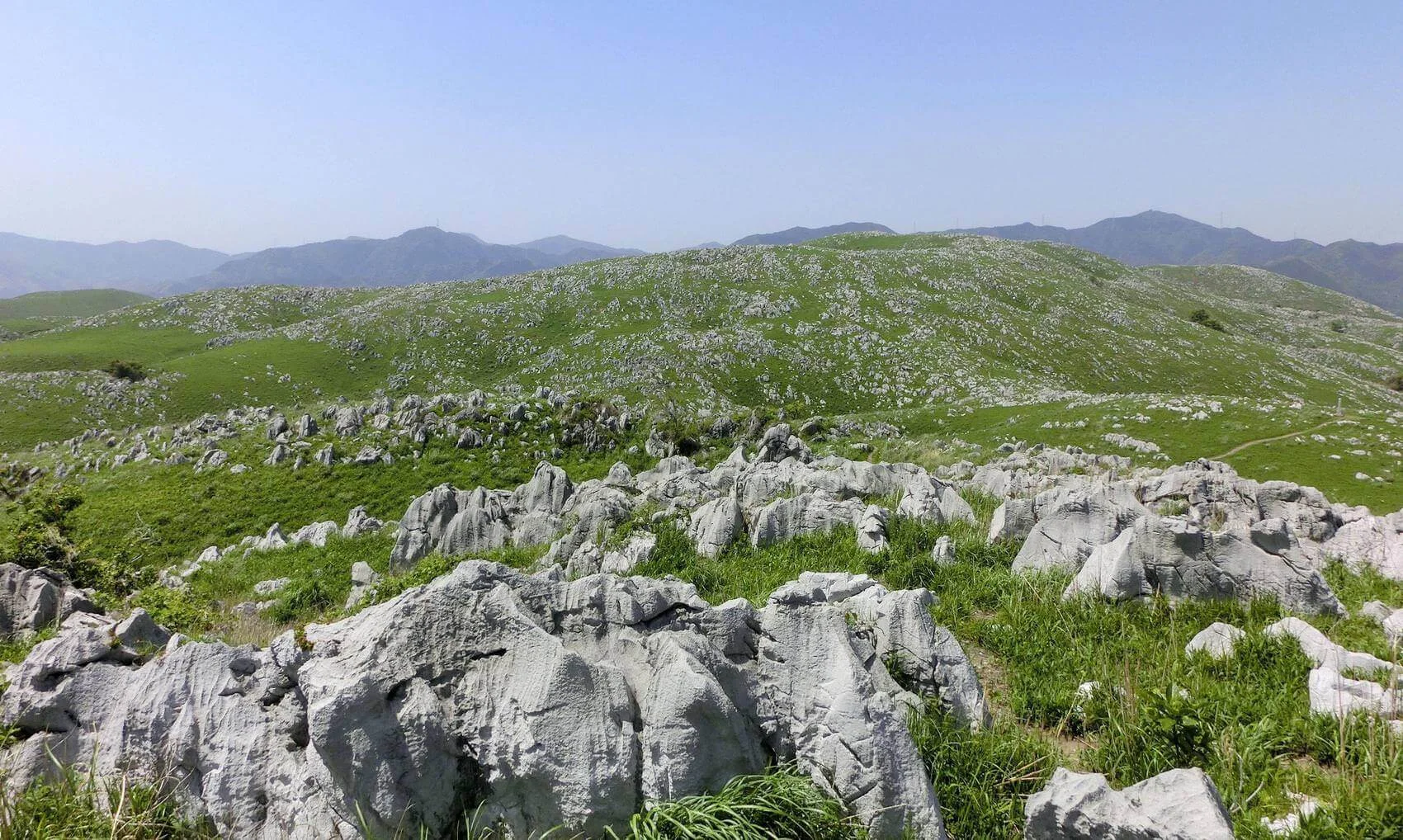
The geology stretches back roughly 350 million years. The limestone is believed to have originated as coral reefs under the sea, then uplifted onto land and turned to rock. Over long periods, rainwater and groundwater eroded the limestone, shaping the terrain seen today. The geopark also includes Akiyoshidō Cave (秋芳洞), one of Japan's largest limestone caves and a main attraction of the area. Japan's previous UNESCO Global Geopark recognition came in 2023, when the entire Hakusan area, home to Mount Hakusan and the Tedori River, was added to the network.

 mainichi.jp
The geology stretches back roughly 350 million years. The limestone is believed to have originated as coral reefs under the sea, then uplifted onto land and turned to rock. Over long periods, rainwater and groundwater eroded the limestone, shaping the terrain seen today. The geopark also includes Akiyoshidō Cave (秋芳洞), one of Japan's largest limestone caves and a main attraction of the area. Japan's previous UNESCO Global Geopark recognition came in 2023, when the entire Hakusan area, home to Mount Hakusan and the Tedori River, was added to the network.
Akiyoshidai plateau in western Japan added to UNESCO Global Geopark list - The Mainichi
TOKYO (Kyodo) -- Japan's largest karst plateau, Akiyoshidai, and its surrounding area were recognized Thursday as a UNESCO Global Geopark for their la
Link:
Akiyoshidai Plateau
Akiyoshi caves and plateau in Yamaguchi, one of the prefecture's largest natural attractions.


