


- 14 Mar 2002
- 21,056
- 18,911
Last chance to visit!
The Kawamura Memorial DIC Museum of Art (DIC川村記念美術館) plans to sell off about three-fourths of its collection and move its most valuable modern American artworks to a new facility in Tokyo. DIC Corp. announced on 12 March that the Kawamura Memorial DIC Museum of Art will relocate to a building that will open in 2030 on the grounds of the International House of Japan in Tokyo's Roppongi district.
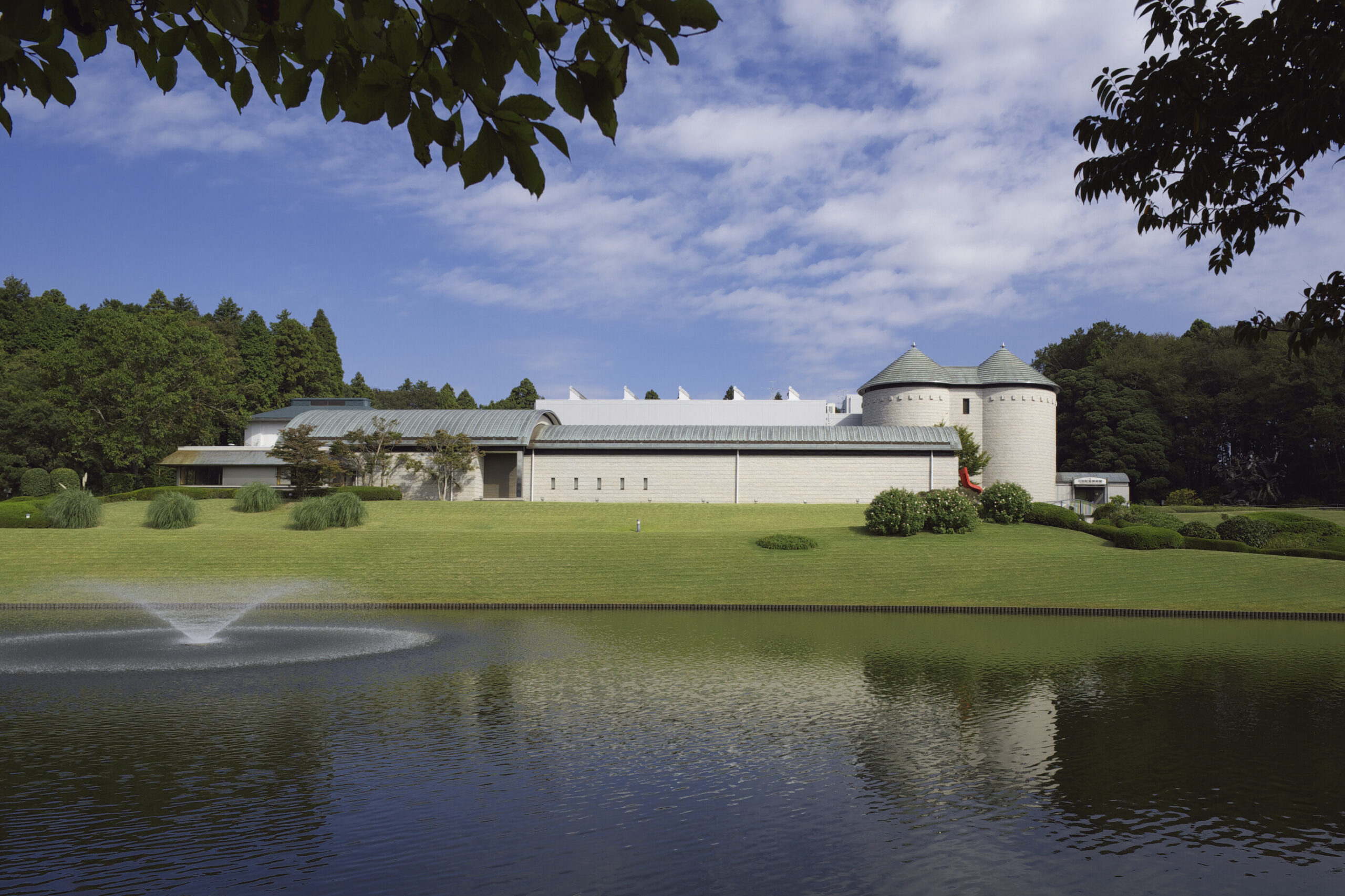
The new space will house around a quarter of the museum's current collection of 384 pieces. Among the highlights is a series of seven abstract paintings by renowned American artist Mark Rothko (1903–1970), which will be displayed in a dedicated "Rothko Room." SANAA, the acclaimed architectural firm Kazuyo Sejima and Ryue Nishizawa, will design the exhibition space. DIC, a chemical manufacturer, will manage the project in collaboration with the International House of Japan, a public interest organization established in 1952 with support from the Rockefeller Foundation.
From Wikipedia:
 kawamura-museum.dic.co.jp
The Kawamura Memorial DIC Museum of Art (DIC川村記念美術館) plans to sell off about three-fourths of its collection and move its most valuable modern American artworks to a new facility in Tokyo. DIC Corp. announced on 12 March that the Kawamura Memorial DIC Museum of Art will relocate to a building that will open in 2030 on the grounds of the International House of Japan in Tokyo's Roppongi district.
The new space will house around a quarter of the museum's current collection of 384 pieces. Among the highlights is a series of seven abstract paintings by renowned American artist Mark Rothko (1903–1970), which will be displayed in a dedicated "Rothko Room." SANAA, the acclaimed architectural firm Kazuyo Sejima and Ryue Nishizawa, will design the exhibition space. DIC, a chemical manufacturer, will manage the project in collaboration with the International House of Japan, a public interest organization established in 1952 with support from the Rockefeller Foundation.
Other specific pieces to be displayed at the new location will be chosen in the future but will mainly comprise postwar American art. The current museum facility in Sakura, Chiba Prefecture, will permanently shut its doors at the end of March.
From Wikipedia:
The museum opened in 1990 and now contains over 1000 works collected by the Japanese resin and ink manufacturer DIC Corporation. The project was primarily the brainchild of Katsumi Kawamura, the former president of DIC, founder and first director of the museum, who had been collecting art since the 1970s. The Kawamura Memorial Museum contains artwork by a wide selection of American, European and Japanese artists, including special exhibitions of the works of Mark Rothko and Frank Stella. The museum is set in a 30-hectare park with over 200 kinds of trees and 500 kinds of plants inhabited by many wild birds and insects.
Link:
Home
千葉県佐倉市にある20世紀美術を中心とした美術館です。北総台地と呼ばれる緑豊かな自然環境の中にあります。来館情報や展覧会、コレクションについてご紹介しています。


