


- 14 Mar 2002
- 21,050
- 18,903
Nikkei Asia had a comprehensive feature on the impact of climate change on South Korea's and Japan's seafood industry:
Climate change is rapidly reshaping East Asia's fishing industry. As sea temperatures rise, traditional fishing communities face unprecedented challenges: fishermen in South Korea and Japan are grappling with the appearance of unfamiliar fish species, such as cutlassfish, which are challenging to market and prepare.
The International Panel on Climate Change (IPCC) has confirmed that human activity is the primary driver of global ocean warming. The world's oceans have experienced record-breaking temperatures in recent years, with East Asian waters warming at an accelerated pace. This warming trend is altering the distribution of fish species, making it harder for fishermen to catch traditional varieties. The impact of climate change on fisheries extends beyond economic concerns. For many communities, fishing is deeply intertwined with cultural identity and heritage. As fish populations shift and decline, these cultural traditions risk disappearing. The consequences of these changes are far-reaching, affecting the livelihoods of millions of people who rely on fishing for their income and food security.
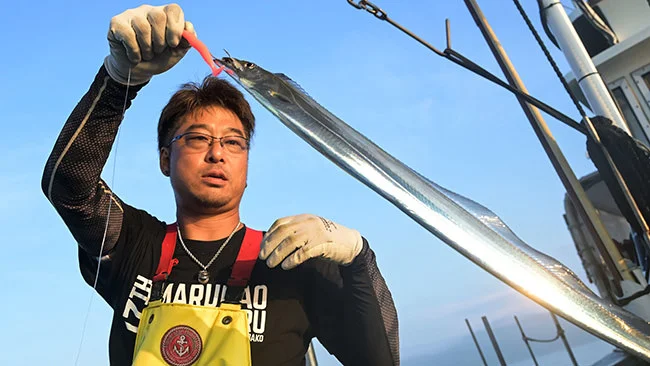
Abe Seiji holding a cutlassfish (photo credit: Takahashi Suzu)
Climate change also significantly impacts Japan's seafood industry, especially in regions like Miyagi Prefecture. Warmer sea temperatures have led to declining traditional seafood delicacies such as sea squirt, a local speciality. Despite the increased costs and challenges associated with this transition, fishermen like Atsumi Masao are forced to adapt by shifting to more heat-tolerant species like oysters. Meanwhile, warmer waters attract new species, including cutlassfish, to the region. While this presents an opportunity for fishermen like Abe Seiji, it also requires significant adjustments in fishing techniques and marketing strategies.
Read the article here (paywall alert):

 asia.nikkei.com
Climate change is rapidly reshaping East Asia's fishing industry. As sea temperatures rise, traditional fishing communities face unprecedented challenges: fishermen in South Korea and Japan are grappling with the appearance of unfamiliar fish species, such as cutlassfish, which are challenging to market and prepare.
The International Panel on Climate Change (IPCC) has confirmed that human activity is the primary driver of global ocean warming. The world's oceans have experienced record-breaking temperatures in recent years, with East Asian waters warming at an accelerated pace. This warming trend is altering the distribution of fish species, making it harder for fishermen to catch traditional varieties. The impact of climate change on fisheries extends beyond economic concerns. For many communities, fishing is deeply intertwined with cultural identity and heritage. As fish populations shift and decline, these cultural traditions risk disappearing. The consequences of these changes are far-reaching, affecting the livelihoods of millions of people who rely on fishing for their income and food security.
Abe Seiji holding a cutlassfish (photo credit: Takahashi Suzu)
Climate change also significantly impacts Japan's seafood industry, especially in regions like Miyagi Prefecture. Warmer sea temperatures have led to declining traditional seafood delicacies such as sea squirt, a local speciality. Despite the increased costs and challenges associated with this transition, fishermen like Atsumi Masao are forced to adapt by shifting to more heat-tolerant species like oysters. Meanwhile, warmer waters attract new species, including cutlassfish, to the region. While this presents an opportunity for fishermen like Abe Seiji, it also requires significant adjustments in fishing techniques and marketing strategies.
Read the article here (paywall alert):
South Korea and Japan fishing towns fight to survive as climate change heats seas
Waters warming faster than global average force fish to migrate, upending livelihoods
asia.nikkei.com


