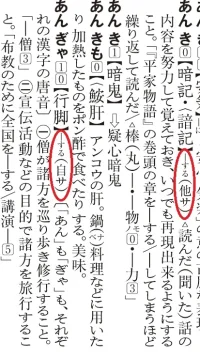
The imwa dictionary tells me the above two are only transitive.
That's not the only one dictionary you can refer to, right?
むすぶ 【結ぶ】
二(自動詞)*
1. ある形のものができる。結実する。凝固する。 「実が-・ぶ」
*自動詞 means intransitive verb.
「結ぶ」の意味は<p style="padding-bottom: 10px;"><!--AVOID_CROSSLINK-->読み方:むすぶ<!--/AVOID_CROSSLINK--> ひもなど、細長いものを組んでつなぐのこと。Weblio国語辞典では「結ぶ」の意味や使い方、用例、類似表現などを解説しています。

www.weblio.jp
もよおす 【催す】
2. ある気分・状態を起こさせる。かきたてる。また、起こる。きざす。 「興が-・す」
「催す」の意味は<p style="padding-bottom: 10px;"><!--AVOID_CROSSLINK-->読み方:もよおす<!--/AVOID_CROSSLINK--> 人を集めて行事などを行うのこと。Weblio国語辞典では「催す」の意味や使い方、用例、類似表現などを解説しています。
www.weblio.jp
The usages as a transitive verb are more common, but these verbs can be used as an intransitive verb, too.
Can 心配する be an intransitive verb like the English word "worry"?
You might be misunderstanding the concept of intransitive verbs(自動詞). When the transitive counterpart exists, the subject of an intransitive verb is the patient(被動作主), i.e., the object of the transitive verb.
e.g.
スマホを壊す(transitive)
スマホ: the object/patient
スマホが壊れる(intransitive)
スマホ: the subject/patient
車を止める(transitive)
車: the object/patient
車が止まる(intransitive)
車: the subject/patient
Think about the following sentence.
彼は自分の将来を心配している。
He is worrying about his future.
彼: the subject/agent(動作主)
自分の将来: the object/patient
If 心配する works also as an intransitive verb, 自分の将来 can be the subject without changing the basic concept of the action (emotion/feeling in this case), like the verbs I listed in my previous post (開く, 閉じる, 増す, etc.). However, the subject of 心配する is
always the agent(the one who worries), and 自分の将来
が心配している doesn't make sense. Thus, 心配する is not an intransitive verb. 彼は心配している is just an omission of the object of the transitive verb. The same goes to 勉強する(日本語を勉強する ×日本語が勉強する) or 質問する(わからないことを質問する ×わからないことが質問する).
感触する if not obsolete, could it be intransitive when it was used?
Seems like yes. に, not を, was used to indicate the target(the thing/event that impresses the subject) of 感触する in the classical example sentence.
かんしょく【感触】
2. 外界からの働きかけによって心に感じること。感覚。 「輓近(ちかごろ)何事に-したのか…」
「感触」の意味は<p style="padding-bottom: 10px;"><!--AVOID_CROSSLINK-->読み方:かんしょく<!--/AVOID_CROSSLINK--> 外界の物事に触れて心に感じること。Weblio国語辞典では「感触」の意味や使い方、用例、類似表現などを解説しています。
www.weblio.jp
I suppose it is the feeling about something.
Right. The subject is pleased with something, got angry about something, etc. Incidentally, ~を怒る also means "to scold someone".