- 14 Mar 2002
- 21,050
- 18,904
A basic onsen (温泉) and sentō (銭湯) guide written from the perspective of a first-time inbound traveller, whose primary concern revolved around nudity. And no, tattoos were not even mentioned.
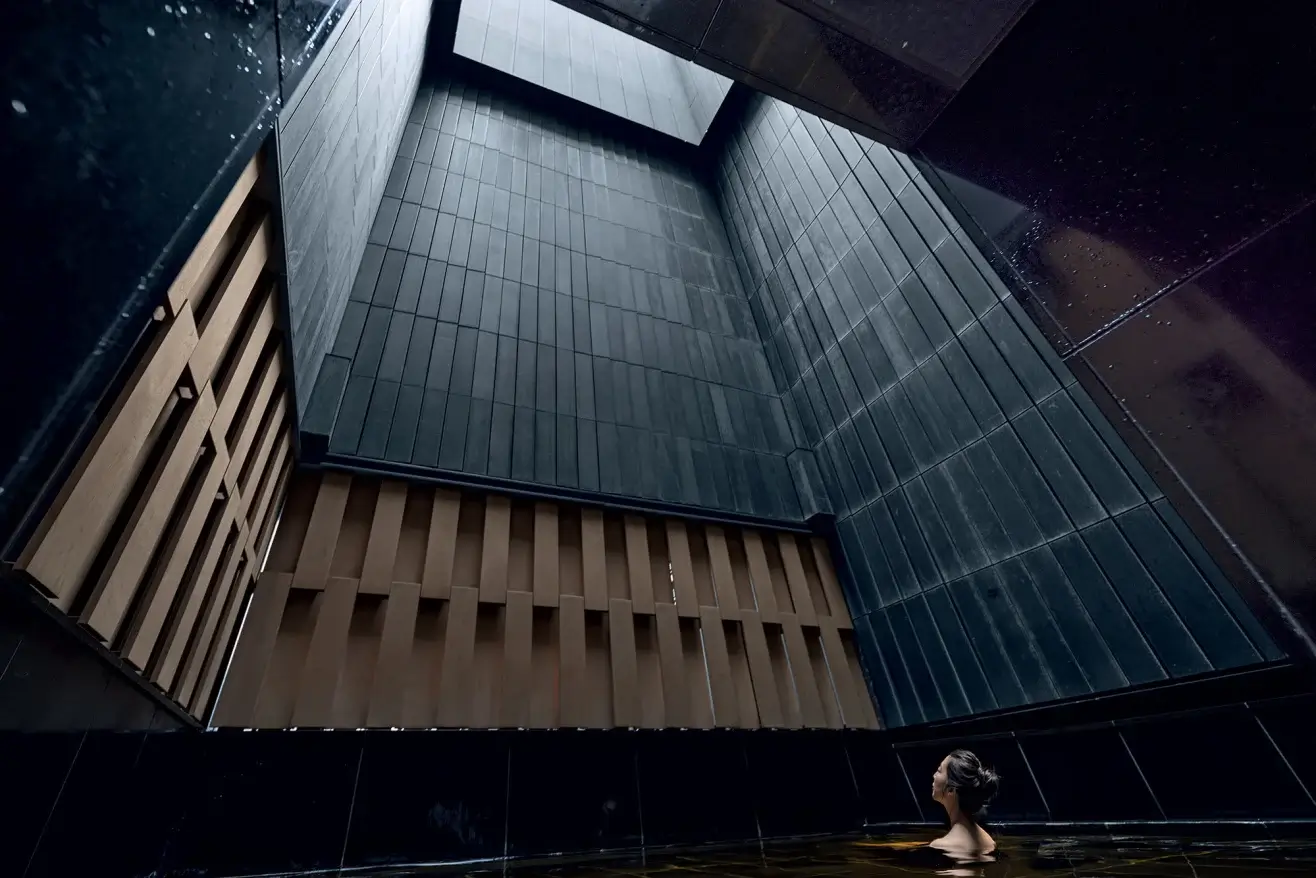
Hoshino Resorts Tokyo
TL;DR? Here are the basic rules:
Hoshino Resorts Tokyo
Once sacred places for purification rituals and the upper echelons of society, in the Edo period (1603-1868), onsen transformed from semi-religious medicinal destinations to social hubs, not unlike Roman baths. Today, countless onsen are dotted across Japan, from local towns to large purpose-built resorts — more than 3,000, according to the Ministry of Environment — each filled with hot spring water. Operators must follow strict laws: water temperature is typically between 93°F and 107°F (34 to 42 Celsius) and must not fall below 77°F. Most hot spring locations, often marked by a ♨ symbol, offer uchiyu (indoor) and roten-buro (outdoor) baths. They are divided into two sides, for men and women. Bathers soak solo or gather with friends and family to unwind in the mineral-rich water, which is known to relieve muscle tension, improve circulation and support skin health. But not knowing how to take the first step can leave overseas visitors feeling a little exposed, as I did.
TL;DR? Here are the basic rules:
- Take off your shoes at the entrance and place them in a locker.
- Pay the fee at the counter. (Sauna is extra)
- Enter the changing room, undress completely, and store your clothes.
- Bring a small towel into the bath area.
- Wash your body thoroughly while seated at a shower station.
- Rinse off all soap before entering the baths.
- Never put your towel into the bath.
- Long hair should be tied up.
- If you use the sauna, rinse again before going back into the water.
- Dry off before returning to the changing room. And if you turn up empty-handed, there's no need to worry, as most bathhouses provide essentials like shampoo, soap, and towel rentals.