


- 8 Aug 2005
- 7,316
- 3,727
On a trip to Japan a couple years ago, I seized the chance to visit a Kudo Dojo, and trained there for a couple days. Kudo is a hybrid, early MMA karate style that mixes elements of Kyokushin, Muay Thai, Judo, and grappling into their competitions.
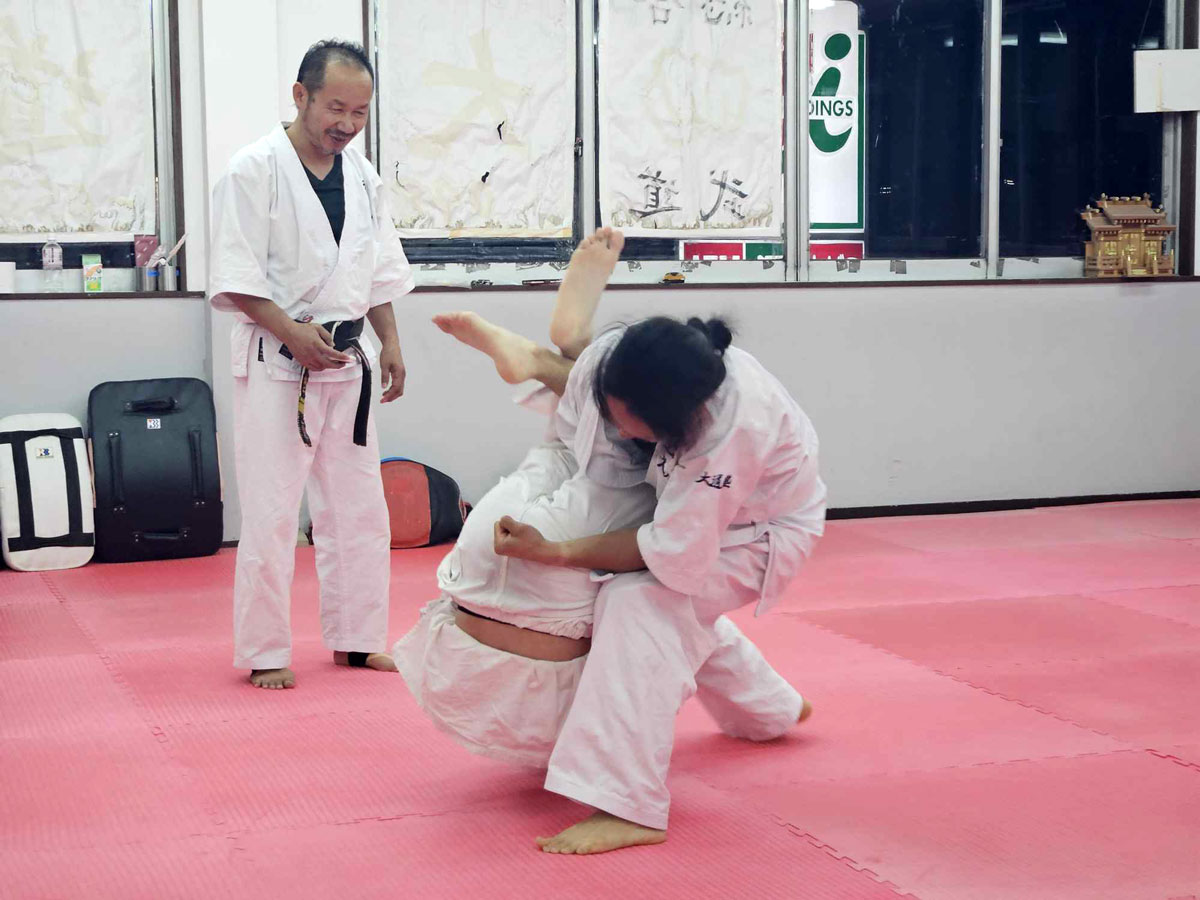
It was a lot of fun, and then I sat on the story like a broody hen until something shook loose. I've been helping out with the local Buddhist Temple's website, and made a sub-section of the site for the karate class which I've been attending for some time. I ran across a Jesse Enkamp video where he and his brother sparred some Kudo fighters, and was finally inspired to do a little writing. I put together an article about the largely-unknown style and my experience with it.
Some snippets:
Here's the Enkamp video:
It was a lot of fun, and then I sat on the story like a broody hen until something shook loose. I've been helping out with the local Buddhist Temple's website, and made a sub-section of the site for the karate class which I've been attending for some time. I ran across a Jesse Enkamp video where he and his brother sparred some Kudo fighters, and was finally inspired to do a little writing. I put together an article about the largely-unknown style and my experience with it.

Some snippets:
The headgear is the standout feature of Kudo's innovation, especially designed to provide good protection while allowing you to take heavy strikes without getting rocked. This addresses one of the few criticisms I've had of Kyokushin: the ruleset prohibiting punches to the head creates a bit of a blind spot: you don't have to worry about punches to the head and are only paying attention to kicks as the greatest knockout threat, leading to a low and exposed guard at times. This becomes apparent when Kyokushin fighters square off with other styles, and flounder when they get punched in the face. Which reinforces my belief that how you train is how you fight, and how you fight is how you train.
Kudo re-introduces punches to the face while minimizing potential brain trauma injuries and CTE. As we read in "Fight Like a Physicist," by Jason Thalken, Ph.D, the chin serves as a lever on the fulcrum of the neck, and striking it turns the neck, straining the axons in the brain and causing CTE (Chronic Traumatic Encephalopathy, a medical way to say brain damage) over time. One of the unique features of the kudo headgear is the full plexiglass faceplate that gently hugs the curve of the face into a well-padded chin, reducing this effect to provide better protection. This also opened up the possibility of headbutting, which is also permitted by Kudo rules. While many styles ostensibly teach headbutting techniques, Kudo and the Burmese style of Lethwei are the only two martial arts I've seen incorporate them into competition. Even groin shots are not off-limits, giving Kudo a tinge of dirty boxing that seems very practical for anyone who wants to train for situations where there's no referee to stop your opponent from throwing such techniques.
Remember, there are no rules in a street fight, only consequences.
Watanabe sensei was very welcoming and open, a trait shared amongst all the best karateka I've had the pleasure to meet. Although he is a dedicated and serious Kudo sensei, he also trains karate kata on his own, bringing back one traditional aspect of karate that is lacking in Kudo. Under the name Yuiga-ryu, He has done some deep introspection and personal reflection of kata and bunkai, and shared some interesting insights with me after the Kudo class had ended. Interestingly, although the Kyokushin katas take after Naha-te styles like Goju-ryu, Watanabe sensei is really fascinated by Naihanchi, the foundational kata of Shorin-ryu, and has published an entire video series about it. He made me think of Choki Motobu, an experienced fighter who went his own way, establishing Motobu-ryu, and spent much of his life plumbing the depths of Naihanchi.
Here's the Enkamp video:


 ).
). 

