


- 14 Mar 2002
- 21,050
- 18,903
A persistent shortage of transit cards has disrupted travel plans for many foreign visitors to Japan. Essential for navigating the country's complex railway system, contactless IC cards like Suica and Pasmo have been unavailable for purchase since the summer of 2023. The scarcity, attributed to the global semiconductor chip crisis, has left tourists struggling with unfamiliar fare structures and time-consuming ticket purchases. These challenges have significantly impacted the overall travel experience for those visiting Japan.
Mai Niizoe, a senior researcher at Sompo Institute Plus, stated that IC transit cards provide access to a vast and efficient railway network. However, she also pointed out the challenges those without cards faced, including the fare system's complexity and decreased convenience.
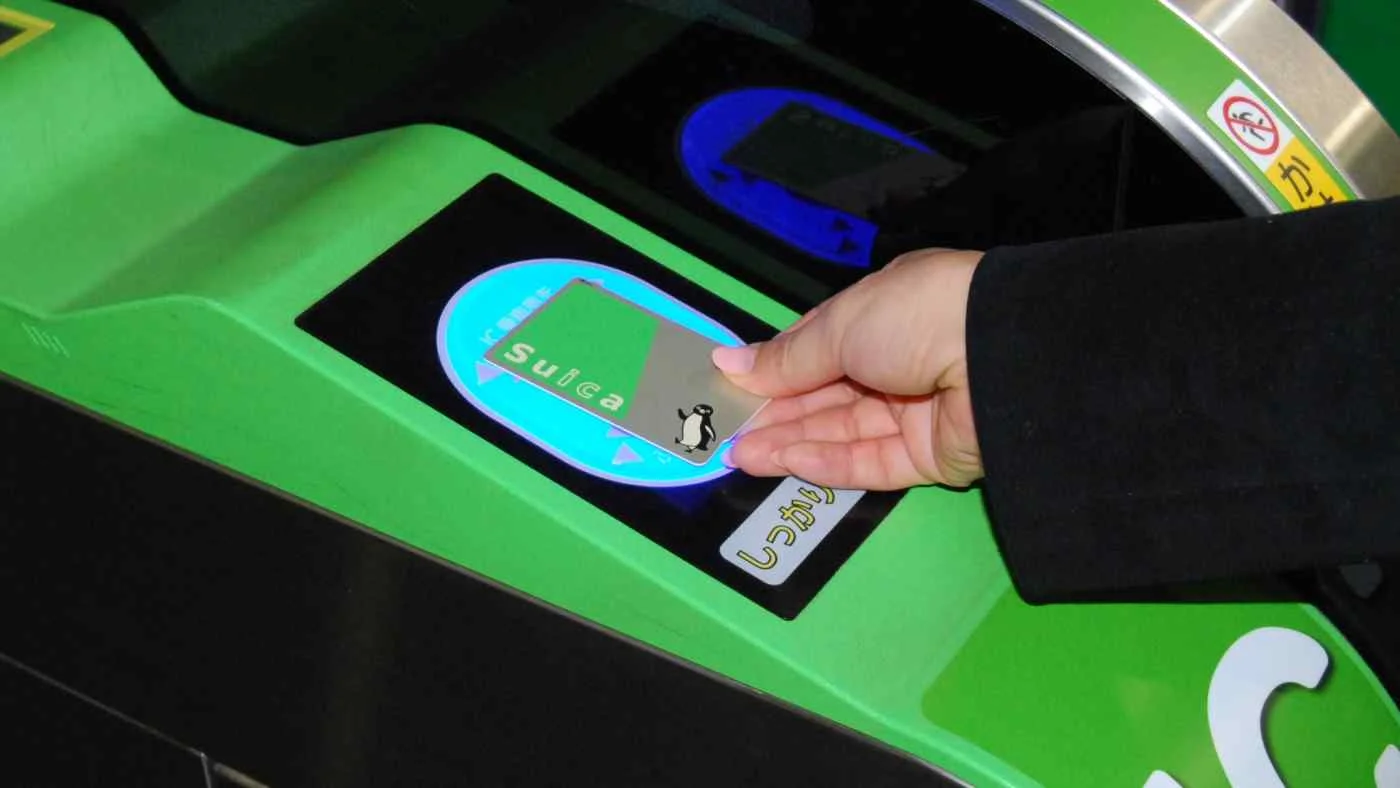
Photo credit: JR East
The limited availability of new Suica and Pasmo cards is primarily due to the exclusive use of FeliCa technology in Japan. Renowned for its rapid data reading capabilities, FeliCa enables swift passage through busy train stations. However, the higher cost of FeliCa compared to technologies used elsewhere has deterred foreign chipmakers from entering the market, contributing to the ongoing shortage.
Paywall alert:

 asia.nikkei.com
Mai Niizoe, a senior researcher at Sompo Institute Plus, stated that IC transit cards provide access to a vast and efficient railway network. However, she also pointed out the challenges those without cards faced, including the fare system's complexity and decreased convenience.
Photo credit: JR East
JR East issues Suica cards that can be used for 28 days. Intended for foreign visitors, they can be purchased only at limited locations, such as Haneda Airport and Narita International Airport serving Tokyo. Visitors who miss out on buying one at the airport will have no choice but to buy paper tickets for the duration of their trips. "We apologize for the inconvenience caused by the inability to purchase cards due to a lack of stock," JR East has said. Although the shortage is ostensibly due to lack of chip supply, the average lead time for analog semiconductors for communications purposes, which had ballooned to about 30 to 50 weeks in the January-March 2023 period, shrunk to 17 to 34 weeks in the April-June quarter this year, according to U.S. semiconductor trading company Sourcengine. Sourcengine said supply has stabilized, and prices are on a downward trend. Another chip trading company said, "Even if we limit it to short-range wireless communication chips, supply has returned to normal."
The limited availability of new Suica and Pasmo cards is primarily due to the exclusive use of FeliCa technology in Japan. Renowned for its rapid data reading capabilities, FeliCa enables swift passage through busy train stations. However, the higher cost of FeliCa compared to technologies used elsewhere has deterred foreign chipmakers from entering the market, contributing to the ongoing shortage.
Paywall alert:
Japan transit card shortage leaves foreign tourists scrambling
Compatible chips still hard to come by despite global supply returning to normal
asia.nikkei.com


