

Navigation
Install the app
How to install the app on iOS
Follow along with the video below to see how to install our site as a web app on your home screen.
Note: This feature may not be available in some browsers.
More options
Style variation
System
Light
Dark
You are using an out of date browser. It may not display this or other websites correctly.
You should upgrade or use an alternative browser.
You should upgrade or use an alternative browser.
おはようございます" та "こんばんは
- Thread starter Lilolas
- Start date


- 21 May 2003
- 14,310
- 4,404
Welcome ! Glad you found us. Members here are super helpful in answering any questions you may have, There are over 20 years of pictures and threads here on JREF that I hope you will find interesting. Like you , I'm on the east coast. For time in Japan I figure it this way. When it's 3 in the afternoon here on Friday , it's 5AM in Japan on Saturday morning. Sometimes it takes a day or two to get answers on questions. For some things to work for you , it takes a few posts before they allow you to use. That's to prevent spammers from joining and then posting a lot of garbage. I see you're reading the "Getting Started" section which is a smart move. It always takes a while for new members to get used to how our forum runs , so look around and enjoy.


Lilolas
Registered
- 30 Nov 2024
- 7
- 13
- Thread starter
- #5
Thank you for the warm welcome! I'm excited to be a part of this communityWelcome ! Glad you found us. Members here are super helpful in answering any questions you may have, There are over 20 years of pictures and threads here on JREF that I hope you will find interesting. Like you , I'm on the east coast. For time in Japan I figure it this way. When it's 3 in the afternoon here on Friday , it's 5AM in Japan on Saturday morning. Sometimes it takes a day or two to get answers on questions. For some things to work for you , it takes a few posts before they allow you to use. That's to prevent spammers from joining and then posting a lot of garbage. I see you're reading the "Getting Started" section which is a smart move. It always takes a while for new members to get used to how our forum runs , so look around and enjoy.
 and learn from the wealth of knowledge and experience here. I'll be sure to take my time and familiarize myself with the forum's rules and etiquette.
I appreciate the tip about the time difference. I'll keep that in mind when posting and replying.
Looking forward to exploring the archives and interacting with other members. Thanks again!
こんにちわ
It took me almost half an hour to set up Japanese keyboard, learn how to use it and how to type just one word....
I'll stick to English for now.
I've stumbled upon this site by accident when I was reading about large numbers in Japanese, found an article about it here and decided to create an account. Seems there's a lot of interesting resources I can use to aid my Japanese lessons. I currently use Duolingo, I've been learning for about 6 months. My level is very basic - those of you who use Duolingo know that it's set primarily for tourists (at least the first 2 units I know) - introducing yourself, ordering food, talking about hobbies, finding your way around public transport etc. It isn't a bad thing, just means that what I've learnt will be very helpful on my planned trip to Japan next year, but I couldn't have a basic conversation with a friend right now. I certainly couldn't write all this in Japanese.
I hope that, thanks to this site and its many forums I'll be able to change this and learn the more "daily-life" Japanese as well as pick up more Japanese phrases from anime I watch.
アンジ
It took me almost half an hour to set up Japanese keyboard, learn how to use it and how to type just one word....
I'll stick to English for now.
I've stumbled upon this site by accident when I was reading about large numbers in Japanese, found an article about it here and decided to create an account. Seems there's a lot of interesting resources I can use to aid my Japanese lessons. I currently use Duolingo, I've been learning for about 6 months. My level is very basic - those of you who use Duolingo know that it's set primarily for tourists (at least the first 2 units I know) - introducing yourself, ordering food, talking about hobbies, finding your way around public transport etc. It isn't a bad thing, just means that what I've learnt will be very helpful on my planned trip to Japan next year, but I couldn't have a basic conversation with a friend right now. I certainly couldn't write all this in Japanese.
I hope that, thanks to this site and its many forums I'll be able to change this and learn the more "daily-life" Japanese as well as pick up more Japanese phrases from anime I watch.
アンジ

- 6 Mar 2003
- 9,317
- 9,444
Welcome! You've come to the right place. Any questions you have about the language or country we can probably answer. Also there's a wealth of information already in here so it's worth browsing through the forums and articles.
As an aside, Konnichiwa is actually written こんにちは not こんにちわ. If you keep going with duolingo that should become clear since the topic marker は (spelled HA but pronounced WA) will be one of the first things you'll learn after the touristy things.
As an aside, Konnichiwa is actually written こんにちは not こんにちわ. If you keep going with duolingo that should become clear since the topic marker は (spelled HA but pronounced WA) will be one of the first things you'll learn after the touristy things.
Ahh... Of course. I'm embarrassed now. Thanks, Mdchachi. know how to spell konnichiwa, yet made the silly mistake. I'm ok with kana, apart from about 3 that just can't stay in my head. I need more practice in reading but for that I bought first Dragon Ball manga, just need to get to it.
Can someone recommend other Japanese learning courses that would hit the program from a different angle than Duolingo? Specific lessons on Spotify etc?
I tried Mondly briefly but Duolingo seemed better when I just started. Perhaps I'll give Mondly a second chance.
While learning I was surprised to see how many words Japanese took from English. Words such as table for example. I understand words that were introduced to Japan from Europe but Japanese do use tables too. Is it about the difference in tall dining table with chairs - western style, rather than the low table where people sit around on the floor, as in traditional Japan?
Also, using hiragana and katakana in one word is so confusing... e.g でんしレンジ.
How bad a mistake is it to use wrong kana? If I wrote denshirenji all in hiragana, since this sounds like an original Japanese word rather than an imported one?
Can someone recommend other Japanese learning courses that would hit the program from a different angle than Duolingo? Specific lessons on Spotify etc?
I tried Mondly briefly but Duolingo seemed better when I just started. Perhaps I'll give Mondly a second chance.
While learning I was surprised to see how many words Japanese took from English. Words such as table for example. I understand words that were introduced to Japan from Europe but Japanese do use tables too. Is it about the difference in tall dining table with chairs - western style, rather than the low table where people sit around on the floor, as in traditional Japan?
Also, using hiragana and katakana in one word is so confusing... e.g でんしレンジ.
How bad a mistake is it to use wrong kana? If I wrote denshirenji all in hiragana, since this sounds like an original Japanese word rather than an imported one?
- 6 Mar 2003
- 9,317
- 9,444
If you can retain all the lessons here, you'll know Japanese very well. Maybe start with JPT5 or N4 grammar playlists.Can someone recommend other Japanese learning courses that would hit the program from a different angle than Duolingo? Specific lessons on Spotify etc?

Japanese with Lily
Hi, I’m Lily 😊 Welcome to my channel to LEARN JAPANESE 🇯🇵 step by step and discover also about JAPANESE CULTURE 🌸! I’m from Tokyo but have been living in Spain for many years. I love teaching ❤️ and sharing everything I know about the Japanese language and culture. On this channel you’ll find...
 www.youtube.com
A lot of times they use English when they don't have to. It's just cool and modern I guess. But it's also true they're more likely to use the foreign words for items that originated overseas. So, for example, on a furniture store's web site we see both "low table" and "zataku" for the low tables. But only "dining table" for the tall ones. I've never used the word "zataku" in my life. But we don't have one. We have a kotatsu.While learning I was surprised to see how many words Japanese took from English. Words such as table for example. I understand words that were introduced to Japan from Europe but Japanese do use tables too. Is it about the difference in tall dining table with chairs - western style, rather than the low table where people sit around on the floor, as in traditional Japan?
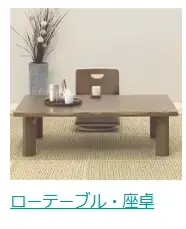
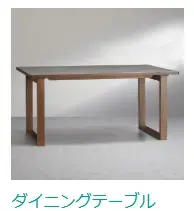
It's wrong but people would quickly figure it out and not give it a second thought. Unless you did that here and then somebody would probably correct you immediately.Also, using hiragana and katakana in one word is so confusing... e.g でんしレンジ.
How bad a mistake is it to use wrong kana? If I wrote denshirenji all in hiragana, since this sounds like an original Japanese word rather than an imported one?

Well, 4 not 3; ぬ,め,れ,ね. It's the similarities in them as well as the fact that they aren't used very often... Even mnemonics fail here. It all comes down to practice.Anji-san,
Which 3 kana are you having trouble remembering?
Thanks, I'll certainly check out these lessons. Do you also have spare hours in a day I can have to fit them in?If you can retain all the lessons here, you'll know Japanese very well. Maybe start with JPT5 or N4 grammar playlists.
Japanese with Lily
Hi, I’m Lily 😊 Welcome to my channel to LEARN JAPANESE 🇯🇵 step by step and discover also about JAPANESE CULTURE 🌸! I’m from Tokyo but have been living in Spain for many years. I love teaching ❤️ and sharing everything I know about the Japanese language and culture. On this channel you’ll find...
A lot of times they use English when they don't have to. It's just cool and modern I guess. But it's also true they're more likely to use the foreign words for items that originated overseas. So, for example, on a furniture store's web site we see both "low table" and "zataku" for the low tables. But only "dining table" for the tall ones. I've never used the word "zataku" in my life. But we don't have one. We have a kotatsu.
View attachment 122124View attachment 122125
It's wrong but people would quickly figure it out and not give it a second thought. Unless you did that here and then somebody would probably correct you immediately.

Many languages borrow words from English, it's a natural flow of modernization but it seems peculiar in a country with a strong attachment to tradition as Japan. Interesting. I love the idea of kotatsu though, I wish I knew about this like 15 years ago...
"Unless you did that here and then somebody would probably correct you immediately.
" - That's what I expect! I don't take offence from being corrected.Thank you.
- 6 Mar 2003
- 9,317
- 9,444
I guess you could do what my kids do -- every single video they watch that are educational or explanatory they watch double speed.Do you also have spare hours in a day I can have to fit them in?

- 27 Dec 2003
- 2,853
- 2,102
Anji-san,
(I am surprised that ゆ and わ are not on your list because they are written similarly — but their stroke orders are different, so maybe this is helpful for you.)
The only way for you to solve this problem is to write each kana 'a million times'.
Write this a sentence on a piece of paper three times a day, until you can write each kana without pausing for more than two seconds.
め が ぬれている、 ね。
Me ga nureteiru, ne.
Which means
"(My) eye is wet, isn't it?"
I admit this is a sentence we would never say, but it contains the four kana you mentioned.
Make sure you write them by hand on paper, not using an app or word processing software.
I will try to think of a few more (better) examples that you can practice writing. But first let me know how helpful this sentence is.
(I am surprised that ゆ and わ are not on your list because they are written similarly — but their stroke orders are different, so maybe this is helpful for you.)
The only way for you to solve this problem is to write each kana 'a million times'.
Write this a sentence on a piece of paper three times a day, until you can write each kana without pausing for more than two seconds.
め が ぬれている、 ね。
Me ga nureteiru, ne.
Which means
"(My) eye is wet, isn't it?"
I admit this is a sentence we would never say, but it contains the four kana you mentioned.
Make sure you write them by hand on paper, not using an app or word processing software.
I will try to think of a few more (better) examples that you can practice writing. But first let me know how helpful this sentence is.
- 6 Mar 2003
- 9,317
- 9,444
How about ぬれためがねをねこにみせるめ が ぬれている、 ね。
Me ga nureteiru, ne.
Which means
"(My) eye is wet, isn't it?"
I admit this is a sentence we would never say, but it contains the four kana you mentioned.
"I'll show wet glasses to the cat."
Please give me Gmail accountLilosa-san, いらっしゃいませ. 日本に行ったことがありますか? 日本の訪れたい場所はどこですか?

- 21 May 2003
- 14,310
- 4,404
Instead of E-Mail , you can always use the "direct message" system here on JREF to communicate with other members. I use it often and it's easy to use and private. Not positive , but you may have to have a few posts before you can use it as a new member.
Anji-san,
(I am surprised that ゆ and わ are not on your list because they are written similarly — but their stroke orders are different, so maybe this is helpful for you.)
The only way for you to solve this problem is to write each kana 'a million times'.
Write this a sentence on a piece of paper three times a day, until you can write each kana without pausing for more than two seconds.
め が ぬれている、 ね。
Me ga nureteiru, ne.
Which means
"(My) eye is wet, isn't it?"
I admit this is a sentence we would never say, but it contains the four kana you mentioned.
Make sure you write them by hand on paper, not using an app or word processing software.
I will try to think of a few more (better) examples that you can practice writing. But first let me know how helpful this sentence is.
Yes, I know what you mean about ゆ and わ, but I never had a problem with them.
Thanks for the practice sentence. I had an issue with logging in to my account so I've just seen your post, but I'll certainly start practicing.
I love the creativity hereHow about ぬれためがねをねこにみせる
"I'll show wet glasses to the cat."
 I'll add this sentence to my list as well.
 Thank you
Not sure whether this is the right thread for this question but I couldn't really find a suitable one on the forum.
On Duolingo I noticed a pattern in certain verbs;
Gasukidesu - I like
Gaarimasu - I have
Gaimasu - also I have (I would like to understand the difference between the two.)
Gahoshiidesu - I want.
Also in questions;
Kyodai gaimasu ka? - Do you have any siblings?
What is the Ga and when should it be used? I found a helpful article about 3 verb groups but the use of Ga- wasn't mentioned.
Also, as above; in the previous chapter on Duolingo I was taught Gaarimasu for having something (clothes, apartment, furniture etc). Now in the next chapter I learn about family, e.g. "I have (Gaimasu) two sisters" etc.
Yes, I could search this online but I have so many articles already marked to read that it would just add to my list. It also feels different when explained directly by someone rather than a soulless article. I hope someone can help.
On Duolingo I noticed a pattern in certain verbs;
Gasukidesu - I like
Gaarimasu - I have
Gaimasu - also I have (I would like to understand the difference between the two.)
Gahoshiidesu - I want.
Also in questions;
Kyodai gaimasu ka? - Do you have any siblings?
What is the Ga and when should it be used? I found a helpful article about 3 verb groups but the use of Ga- wasn't mentioned.
Also, as above; in the previous chapter on Duolingo I was taught Gaarimasu for having something (clothes, apartment, furniture etc). Now in the next chapter I learn about family, e.g. "I have (Gaimasu) two sisters" etc.
Yes, I could search this online but I have so many articles already marked to read that it would just add to my list. It also feels different when explained directly by someone rather than a soulless article. I hope someone can help.

- 17 Sep 2005
- 6,017
- 1,970
When writing in romaji, it might be better to separate the 'ga' from the verbs, as they serve separate functions within the sentence. So then the question you wrote would be
Kyoudai ga imasu ka?
'ga' goes with 'kyodai', not with 'imasu'. It's similar to は, written as 'ha' but pronounced as 'wa' when used as a topic marker. 'ga' and は are similar, but quite different. I'm not the best person to explain the difference, however.
In practice, you can say as a standalone sentences
suki desu
arimasu
imasu
hoshii desu
but if you add the 'ga' with nothing in front of them, the sentences become fragments and quite unintelligible.
Kyoudai ga imasu ka?
'ga' goes with 'kyodai', not with 'imasu'. It's similar to は, written as 'ha' but pronounced as 'wa' when used as a topic marker. 'ga' and は are similar, but quite different. I'm not the best person to explain the difference, however.
In practice, you can say as a standalone sentences
suki desu
arimasu
imasu
hoshii desu
but if you add the 'ga' with nothing in front of them, the sentences become fragments and quite unintelligible.
- 6 Mar 2003
- 9,317
- 9,444
As Mikawa said, the "ga" has nothing to do with the verbs. It's marking the topic or object. But you've also stumbled upon some relatively difficult patterns because some of what you've written aren't verbs at all even though in English they are. Usually when studying verbs we start with the simple object-verb types such as "mizu o nomimasu" (I drink water).
desu - is a to-be verb like is/am/are. And suki is na-adjective meaning "liking." So when you say something like "lobster ga suki desu" and deconstruct it, it's literally something like " lobster liking am." There's no verb equivalent to "like."
hoshii is similar. It's actually an i-adjective. So if you say "lobster ga hoshii desu" it's literally like " lobster wanting-to-have am"
And the existence verbs "imasu" and "arimasu" are also special verbs meaning to "to be." And they are more complex because Japanese has the differentiation between animate and inaminate objects. So "beer ga arimasu" may be translated to "I have beer" but the sentence literally means "beer exists." So if you're sitting in a restaurant looking at the menu and say "beer ga arimasu" then probably you're saying "they have beer here."
Similar for imasu except it's for animate things. If you say "inu ga imasu" ("dog exists") then you might be saying "I have a dog." Or you might be saying "there's a dog."
So for the Kyodai ga imasu ka example actually the question being asked is "do siblings exist"? But of course with no other context you would infer it to be "do you have siblings." But let's say you were talking about a celebrity such as Beat Takeshi with someone and then the question comes up Kyodai ga imasu ka. Then naturally the translation for the exact same sentence would be "does he have any siblings?"
I suggest not obsessing too much on the why of things and continue working on the sentence patterns. It doesn't really matter why "ga" is used. What matters is that it's the correct particle to use for these sentence patterns. But of course it's important to understand it's a particle and not part of the verbs or subsequent words.
desu - is a to-be verb like is/am/are. And suki is na-adjective meaning "liking." So when you say something like "lobster ga suki desu" and deconstruct it, it's literally something like " lobster liking am." There's no verb equivalent to "like."
hoshii is similar. It's actually an i-adjective. So if you say "lobster ga hoshii desu" it's literally like " lobster wanting-to-have am"
And the existence verbs "imasu" and "arimasu" are also special verbs meaning to "to be." And they are more complex because Japanese has the differentiation between animate and inaminate objects. So "beer ga arimasu" may be translated to "I have beer" but the sentence literally means "beer exists." So if you're sitting in a restaurant looking at the menu and say "beer ga arimasu" then probably you're saying "they have beer here."
Similar for imasu except it's for animate things. If you say "inu ga imasu" ("dog exists") then you might be saying "I have a dog." Or you might be saying "there's a dog."
So for the Kyodai ga imasu ka example actually the question being asked is "do siblings exist"? But of course with no other context you would infer it to be "do you have siblings." But let's say you were talking about a celebrity such as Beat Takeshi with someone and then the question comes up Kyodai ga imasu ka. Then naturally the translation for the exact same sentence would be "does he have any siblings?"
I suggest not obsessing too much on the why of things and continue working on the sentence patterns. It doesn't really matter why "ga" is used. What matters is that it's the correct particle to use for these sentence patterns. But of course it's important to understand it's a particle and not part of the verbs or subsequent words.


