


- 14 Mar 2002
- 21,050
- 18,904
Nikkei Asia on Tokyo's sprawling mega-complexes, which transform the capital into futuristic, glitzy, and exclusive luxury islands and a mecca for the well-heeled. However, these products of corporate-led urbanism also raise concerns about accessibility and inclusivity and their encroachment on traditional, vibrant streetscapes.
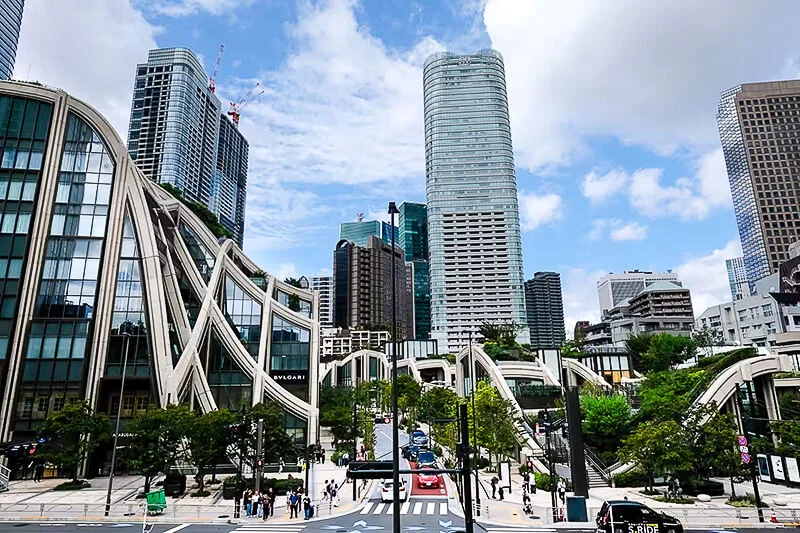
Azabudai Hills Complex (photo credit: Luuvu Hoang)
Paywall alert:

 asia.nikkei.com
Azabudai Hills Complex (photo credit: Luuvu Hoang)
Azabudai Hills is a mecca for the well-heeled. The development's retail spaces are a roll call of luxury brands, while its residential units cater to the upper echelons of Tokyo's housing market. Even the Janu Tokyo hotel, touted by the Switzerland-based Aman Group as the debut of its "more affordable" brand, commands room rates exceeding 165,000 JPY (USD 1,147) a night. This emphasis on high-end offerings raises questions about accessibility and inclusivity. While the public spaces and some casual eateries nod at the city's economic diversity, the overall atmosphere is exclusivity. Azabudai Hills represents a microcosm of global affluence in a town known for eclecticism. It is also a prime example of a broader trend reshaping Tokyo: corporate-led urbanism. This approach to city-building, driven by powerful private entities, transforms the urban landscape in ways that may fundamentally alter the metropolis's character. Azabudai Hills embodies Mori Building's vision of Tokyo as a "vertical garden city," replete with cultural venues, luxury accommodations and retail spaces catering to the wealthy concentrated into a series of towering mega-complexes.
Paywall alert:
Small reflections on mega-complexes transforming Tokyo
Luxury developments cast a shadow over the city's vibrant streetscape
asia.nikkei.com


