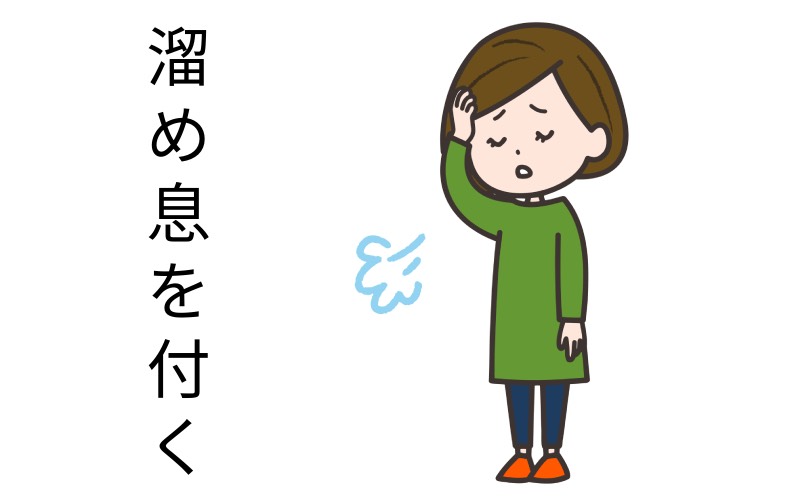
尻餅をつく

healer

Sempai
Joined
13 May 2019
Messages
687
Reaction score
10
尻餅を付く
尻餅を着く

I'm not too sure how the particle をis used with 付くand 着くabove while both 着くand 付くare intransitive verbs. I understand that the particle を goes with an object of a transitive verb or a causative verb only. Transitive verbs that I found and read つくwere 吐く, and 突く, 衝く, 撞く, 捺くas well as 搗く, 舂く.
 
The correct one is "搗く"
Because kanji is not a regular kanji
In modern times, it is written as "つく".
 
I'm not too sure how the particle をis used with 付くand 着くabove while both 着くand 付くare intransitive verbs.
As Nagashima-san wrote, it's simply because つく is a transitive verb there, not 着く or 付く. Wikipedia takes the kanji 突く, i.e., the same usage as 膝をつく, 杖をつく or 転ばないように手をつく.

「尻餅を突く」と言う言葉は、この餅から来ている。

つく【突く/衝く/撞く】 の解説
4 細長い物の先を押し立てて、支えにする。また、つっかえ棒をする。地面や床などに強く当てる。「つえを―・く」「ひざを―・く」


The pitch accent is also the same as 突く.
尻餅をつく: 無核型 /ツク=/
膝/杖/手をつく: 無核型 /ツク=/
餅をつく(搗く): 有核型 /ツ]ク/
 
着く or 付く
I got this from a dictionary. 尻餅をつく - Jisho.org also shows the same.
The correct one is "搗く"
「尻餅を突く
Which one is correct, 搗く or 突く?
無核型
有核型
I'm not too sure what they mean in linguistics.
The pitch accent is also the same as 突く
/ツク=/
/ツ]ク/
Toritoribe-san! Are you telling me where the pitch is? I don't understand the symbols above.
In the yomiwa dictionary I happen to use the pitch is from high to low for つく. I'm not too sure if it is correct.
One of the phrases I looked up today, 封筒 . This dictionary says from low to high. The recording on the website FREE Japanese Word of the Day Widget - JapanesePod101 seems to say the other way round.
 
餅を搗く
Mochitsuki may have a cultural element.

I hadn't really thought about "つく(tsuku)".
突く(tsuku)
意味:細長いものを押し当てる。強く刺激する。
Meaning: Press an elongated object. Strongly stimulate.
膝を突く,槍を突く、毬を突く、核心を突く、不意を突く


判を捺く、
捺す」は、「手でおさえる」という意味で使われます。「判を捺す」という使い方をします。

鐘を撞く
嘘を吐く、溜息を吐く
職に就く
 
I got this from a dictionary. 尻餅をつく - Jisho.org also shows the same.
Simply, your dictionary and Jisho.org are wrong. Goo辞書 has examples really used in novels from 青空文庫.
つく: 13
支く: 1
突く: 1
搗く: 2

There is no examples of 付く/着く (yes, because these are intransitive, of course). I checked 広辞苑, but it uses hiragana つく, too.

Which one is correct, 搗く or 突く?
It depends on what the meaning the writer wants to imply in the verb. In other words, both can be correct. Hiragana is the most common (and also most convenient), needless to say.

I'm not too sure what they mean in linguistics.

Are you telling me where the pitch is? I don't understand the symbols above.
I already used the same symbols in your previous threads repeatedly, for example in the one linked below.

In the yomiwa dictionary I happen to use the pitch is from high to low for つく. I'm not too sure if it is correct.
It differs depending on which つく the dictionary refers to, i.e., it's wrong for 膝/杖/手/尻餅をつく, but correct for 餅をつく.

One of the phrases I looked up today, 封筒 . This dictionary says from low to high. The recording on the website FREE Japanese Word of the Day Widget - JapanesePod101 seems to say the other way round.
封筒 is type 0, flat.
 
Back
Top Bottom