While cities like Tokyo, Sapporo, and Fukuoka often steal the spotlight when it comes to ramen, Niigata Prefecture quietly holds its own with an impressive and distinctive ramen culture. Located along the Sea of Japan and known for its snowy winters and pristine rice, Niigata offers not just one, but five unique ramen styles—each shaped by geography, necessity, and innovation. Together, they form the "Five Great Ramens of Niigata," a regional culinary identity that continues to thrive and evolve.
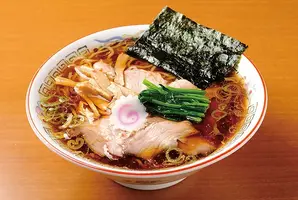
1. Niigata Light Soy Sauce Ramen(あっさり醤油ラーメン)
As a crucial port town off the Japanese coast, Niigata City's main foot traffic in 1957 was around the Kawaminato area on Niigata island. As such, you've got a lot of hungry foot traffic hanging around the moats. But since these stalls didn't as much power as restaurants, chefs couldn't cook broth on high heat. So, most of the vendors used low heat to make a light mildly-flavored soup.
Thus, Light Soy Sauce Ramen was invented and served at the flagship shop, Miyoshiya. Bowls of clear pork-bone and sardine stock, homemade noodles, bamboo shoots, tender pork and a smattering of green onions provide a gentle and nostalgic experience for their hungry guests.
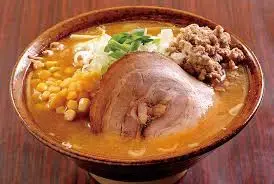
2. Niigata Miso Ramen(新潟濃厚味噌ラーメン)
We don't typically think of putting miso in a bowl of noodles, but the owner of the now famous restaurant Komadori, was truly a visionary. The legend goes that after the owner had sampled Hokkaido 's miso ramen, he believed he could improve on the recipe. So, when he brought a bowl of his miso ramen to a guest at the nearby Iwamuro Hot Springs, the customer complained that the taste was too strong and the soup was too thick! Thinking fast, the owner ran back to Komadori, delivered a lighter soup to dilute the taste, and the rest is history.
While each of Komadori's 10 miso-ramen dishes are stuffed with rich umami, they also still come with the famous diluting soup, should the taste become overwhelming.
3. Tsubame Back-fat Ramen (燕三条背脂ラーメン)
Thirty minutes down the road from Niigata City lies Tsubame, the home of the finest metal craftsmanship in Japan and perhaps the world. It's here that you can get your high-quality, pans, utensils and mostly importantly, mesh pots for making ramen. Once again, the story of its famous noodles revolves around a story.
Around 1930, a man named Jo Shousei came from China to Niigata, and opened the promising noodle restaurant Hangzhou Hanten in 1933. The legend tells that Shousei's soup was originally thin and light, but when he noticed that a local meat shop was going to dispose of a load of pork back-fat, he inquired about the unused fat, cooked it into his ramen and the dish was born. Years later, in the 1960s, smiths worked days and nights, just like now, pumping out excellent tools for nationwide customers. However, unlike now, there was no rapid-fast food delivery service, so when a craftsman got hungry and ordered his ramen, it would be cold by the time it got to him with no way to get their money back.
However, Hangzhou Hanten devised a way to preserve the heat and keep the noodles from going soggy. By adding copious amounts of jiggly Echigo Mochibuta back-fat, the steam was trapped inside the bowl. Moreover, instead off the common thin ramen noodles, Shousei's noodles were 5mm thick, resembling almost udon, ensuring that the noodles remained nice and firm. Thus, the country's ramen phenomenon was established.
4. Sanjo Curry Ramen (三条カレーラーメン)
Just a hop skip and a jump from Tsubame is the neighboring city of Sanjo, full of top-tier blacksmiths and hungry craftsmen who only survive the winter's chill with the promise of a hot steaming bowl of nourishment. Interestingly enough, this is oldest ramen listed as no one really knows the exact date. However, the agreed upon timeframe of its inclusion on the menu places it somewhere around 1937, by a craftsmen who dared to fuse the British method of curry with Chinese noodles.
Years later, in the 1960s, the restaurant Masahiro was credited as the first to officially sell their signature "Curry Ramen". Similarly to Tsubame's famished workers, the craftsmen needed a bowl of ramen that wouldn't cool. Ultimately, curry was selected as the magic ingredient, as it seamlessly mixed with tender pork, carrots, potatoes, and onions. To underscore the importance of this local soul food, there's even a Sanjo Curry Ramen Committee of restaurants that serve curry ramen, hold rallies and hold competitions in Sanjo.
5. Nagaoka Ginger Soy Sauce Ramen (長岡生姜醤油ラーメン)
In 1963, Aoshima Shokudo was opened originally as a meal and noodle shop, but the owner, a type of superhero, couldn't help but notice that most of his guests were usually half-dead and frozen. In order to fight the cold during the brutal winters he added the special ingredient: Ginger. It created an immediate warming effect that brought back the color to his diner's cheeks, and as a result, Aoshima Shokudo has been doing it ever since.
The amount of ginger included is no minuscule teaspoon either. Ramen masters dump whole ginger roots into pork bone stock, giving it a spicy flavor and darker color. Additionally, the accompanying ingredients haven't changed in 60 years: homemade noodles, spinach, nori, menma, generous amounts of pork, and naturally, that sweet dark broth needed to survive the Snow Country.
Bonus: The "Oni Ramen" Campaign (鬼ラーメン)
In 2021, Niigata earned the title of Japan's number one ramen-consuming prefecture. When it lost that crown the following year, local pride demanded a response. The answer was "Oni Ramen," a fiery, bright red bowl made with capsaicin and optional honey droppers to temper the spice. More than just a dish, it became a prefecture-wide campaign, complete with Shinto priests offering blessings and major social media buzz.
Niigata's ramen scene is as diverse and character-rich as the region itself—shaped by snow, industry, travel, and culinary creativity. Each of the five styles reflects a different part of Niigata's identity, and together they offer a compelling reason to look beyond Japan's usual ramen hotspots. Whether you're drawn by nostalgia, spice, comfort, or innovation, there's a bowl in Niigata waiting for you.