


- 14 Mar 2002
- 21,050
- 18,904
The Japan Times traced three of Tokyo's "phantom stations," relics of a city that has repeatedly rebuilt itself above its own ruins. In Japanese, they are called maboroshi no eki (幻の駅):
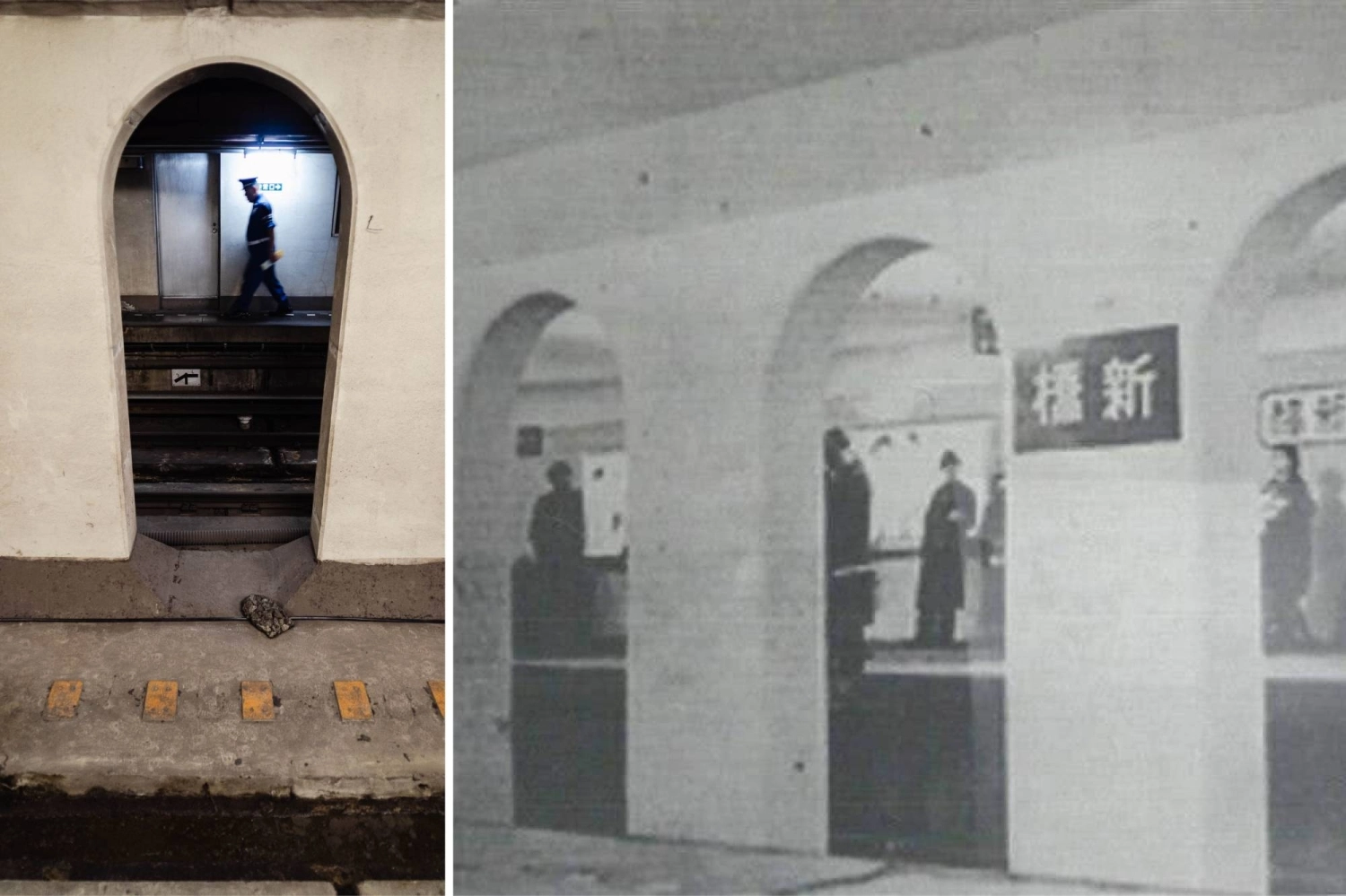
Shimbashi Station's "phantom platform," used for just eight months in 1939.

 www.japantimes.co.jp

 mainichi.jp
More on Hakubutsukan-Dōbutsuen and Manseibashi stations:

 tokyobling.wordpress.com
 tokyobling.wordpress.com
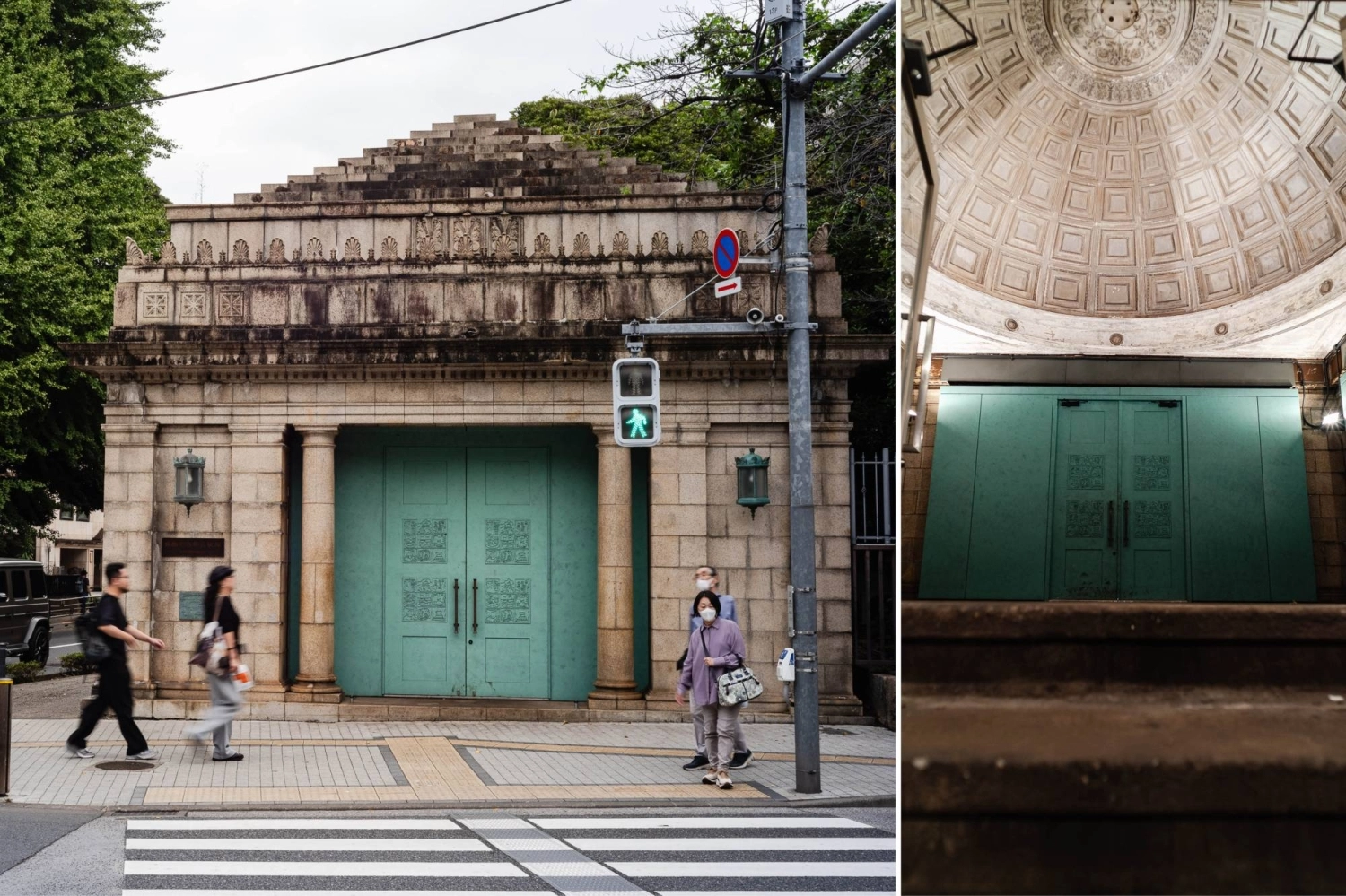
- Beneath Ueno Park is Hakubutsukan-Dōbutsuen Station (博物館動物園駅), a Keisei Line stop that once carried visitors to the zoo and museums. Opened in 1933 and closed in 1997, it remains frozen in time — its green steel doors, ticket booth and soot-blackened platforms still intact. Built on imperial land, the station required the emperor's direct approval, which led to its elegant Western-style design.
- Shimbashi "phantom platform" (新橋幻のホーム) on the Ginza Line, completed in 1939 and closed after only eight months. The dim, tiled platform — sealed behind a metal door — was briefly reopened during World War II when trains turned back there after bomb damage elsewhere on the line.
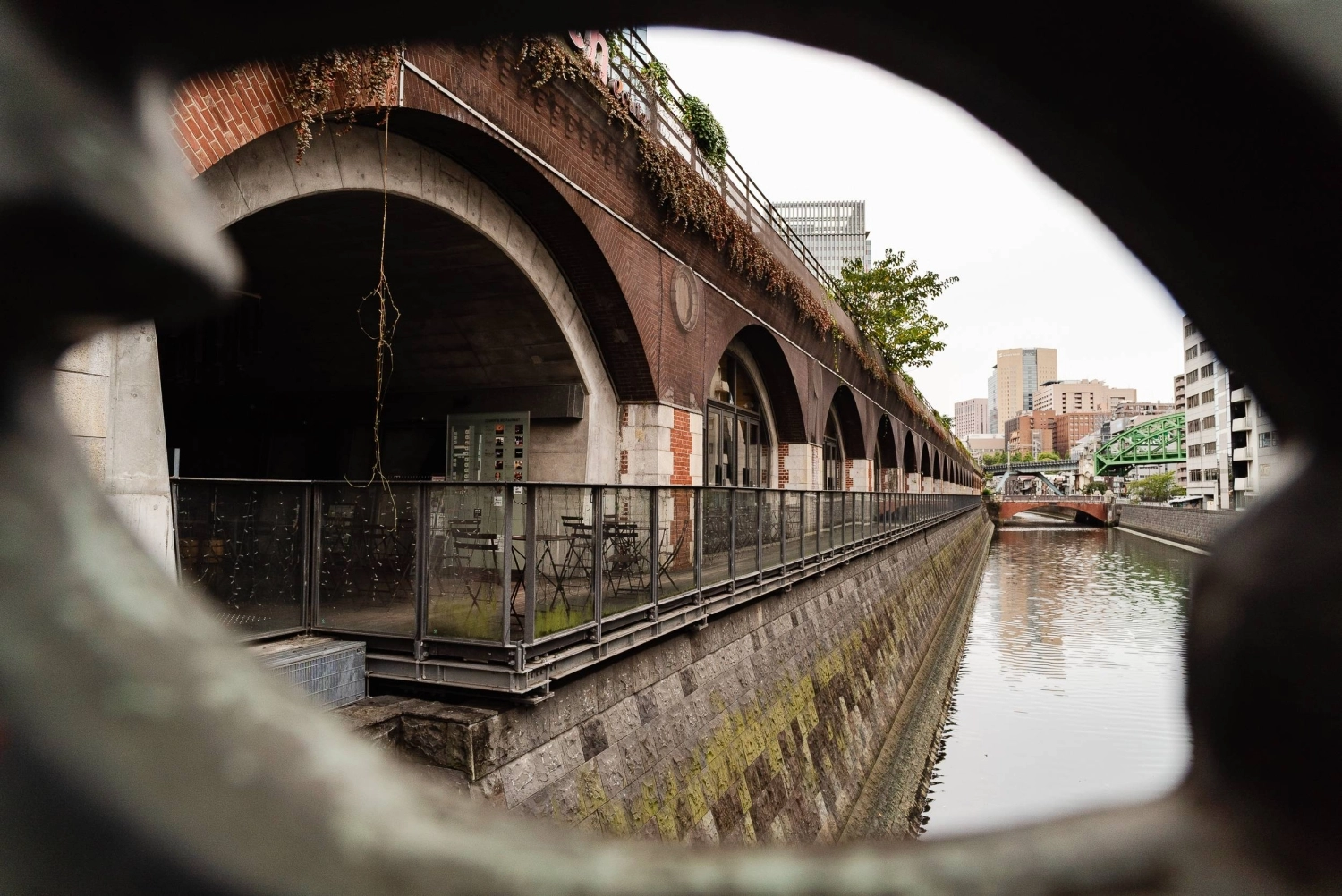
- Manseibashi Station (万世橋駅), a redbrick showpiece designed by architect Kingo Tatsuno (辰野金吾) in 1912. Once among Tokyo's busiest stops, it was devastated by the 1923 Great Kantō Earthquake and later replaced by the Transportation Museum. In 2013, its restored viaduct was reborn as mAAch ecute Kanda Manseibashi, a cultural space of cafés and small shops overlooking the active Chūō Line.
Hakubutsukan-Dōbutsuenōn Station, a former stop on the Keisei Main Line, opened in 1933 and operated until service was suspended in 1997.
Shimbashi Station's "phantom platform," used for just eight months in 1939.
The redbrick viaduct along the Kanda River is all that remains of Manseibashi Station (all photos: Johan Brooks via Japan Times).
Inside Tokyo’s ‘phantom’ stations — and the stories they tell
A sealed 1930s subway platform beneath Shimbashi Station still holds traces of what the capital looked like before the war.
'Phantom' train station in Tokyo's Ueno district to get new breath of life - The Mainichi
TOKYO -- For the first time in 21 years, the
More on Hakubutsukan-Dōbutsuen and Manseibashi stations:
Ueno Ghost Station – Hakubutsukan-Dobutsuen Station
Tokyo is really the urban explorer’s dream city. It is such a layered city, starting with the tiny agricultural villages before the 17th century, then growing, adding, fixing, layering new th…
tokyobling.wordpress.com
Tokyo Ghost Stations – Manseibashi
Part two of this post is here, showing the inside of the renovated station. Tokyo is world famous for its extensive network of trains, bullet trains, subways, street cars, trams and trolley buses. …
tokyobling.wordpress.com


