


- 14 Mar 2002
- 21,053
- 18,908
This will be the first instalment of a series on Japanese food, dishes, and ingredients. I invite everyone to share their favourite dishes and ingredients. If you start a new thread, please share photos, explanations, recipes, etc.
I love all kinds of fish roe, especially spicy mentaiko. So what are tarako and mentaiko, and what's the difference?
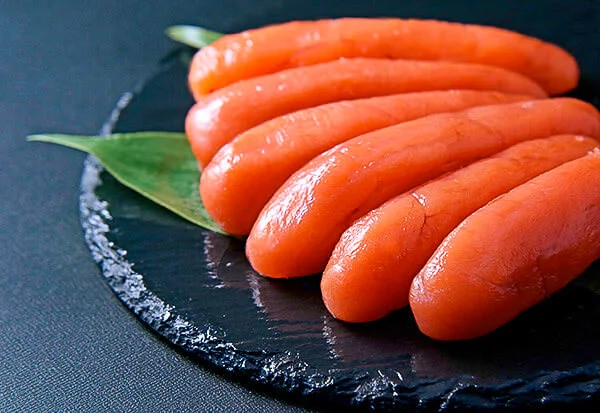
Tarako (鱈子) is pollack roe (Korean: 명란 Myeongnan), the roe of the Pacific pollack. Salted pollack roe (明太子 Mentaiko; 명란젓 Myeongnanjeot) is a typical ingredient in many Korean and Japanese dishes. In Fukuoka Prefecture, mentaiko is seasoned with chilli peppers. Pollack roe is often served with rice, mixed with cream, milk or margarine, and used as a spicy paste for bread and pastries or as a pasta sauce.
Contrary to common belief, tarako is not made of cod roe. It contains a lot of salt and cholesterol but is also rich in vitamins A and B3 and comprises about 65% water, 28.5% protein, and 1.7% fat.

Mentaiko (明太子)
Salted pollock roe is grilled, used in onigiri (rice balls), ochazuke (お茶漬け, rice with green tea), or mixed with sliced squid, a snack often enjoyed with alcohol.
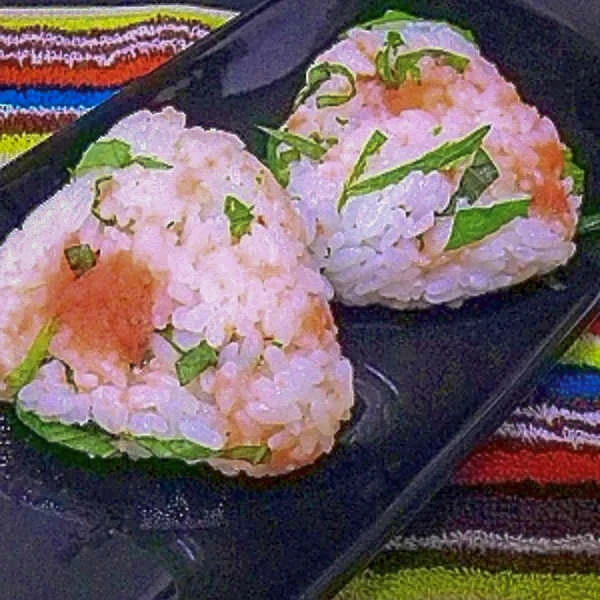
Mentaiko onigiri
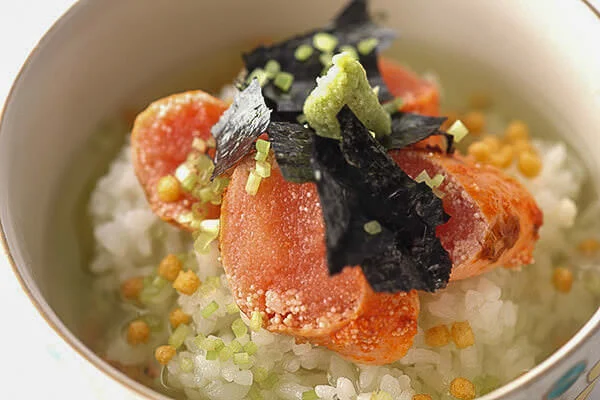
Ochazuke with mentaiko
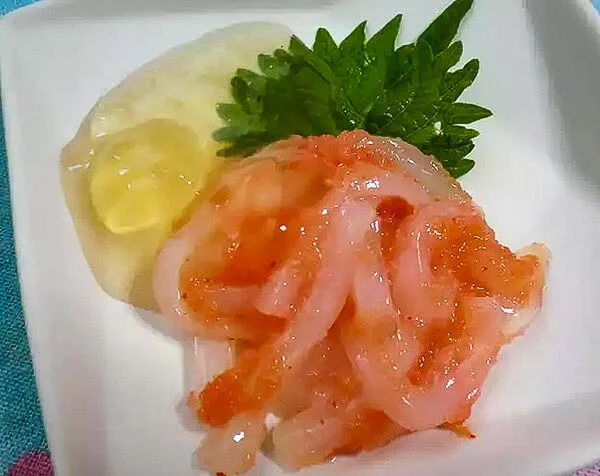
Ika (squid) with mentaiko paste
Tarako is a speciality from the northern part of Japan and is said to have been eaten since the early Edo period (1603-1867). Around 1903, roe processing began as the fishing for Alaska pollock developed to replace Pacific cod. According to a cookbook published by Okumura Shigejirō (奥村繁次郎) in Tōkyō in 1905, for two or three months in winter, tarako was lined up at Hokkaidō storefronts, and many people consumed it with vinegar. However, it is assumed that it originated in Korean cuisine, having been introduced to Japan after the Russo-Japanese War. The typical Korean seasoning and flavour are slightly different from the Japan variety. The principal production area is Kojōhama (虎杖浜) in Shiraoi-chō (白老町), Hokkaidō.
Nowadays, across Japan, mentaiko generally refers to karashi mentaiko (辛子明太子). In Fukuoka, where karashi mentaiko originates, and in other localities, pollack roe without chilli pepper is also referred to as mentaiko and is clearly distinguished from karashi mentaiko.

Tarakodon たらこ丼

Mentaiko sold in a Japanese supermarket
Tarako and mentaiko have become a popular souvenirs throughout Japan and are making inroads overseas, too:

 www.eater.com
I love all kinds of fish roe, especially spicy mentaiko. So what are tarako and mentaiko, and what's the difference?
Tarako (鱈子) is pollack roe (Korean: 명란 Myeongnan), the roe of the Pacific pollack. Salted pollack roe (明太子 Mentaiko; 명란젓 Myeongnanjeot) is a typical ingredient in many Korean and Japanese dishes. In Fukuoka Prefecture, mentaiko is seasoned with chilli peppers. Pollack roe is often served with rice, mixed with cream, milk or margarine, and used as a spicy paste for bread and pastries or as a pasta sauce.
Contrary to common belief, tarako is not made of cod roe. It contains a lot of salt and cholesterol but is also rich in vitamins A and B3 and comprises about 65% water, 28.5% protein, and 1.7% fat.
Mentaiko (明太子)
Salted pollock roe is grilled, used in onigiri (rice balls), ochazuke (お茶漬け, rice with green tea), or mixed with sliced squid, a snack often enjoyed with alcohol.
Mentaiko onigiri
Ochazuke with mentaiko
Ika (squid) with mentaiko paste
Tarako is a speciality from the northern part of Japan and is said to have been eaten since the early Edo period (1603-1867). Around 1903, roe processing began as the fishing for Alaska pollock developed to replace Pacific cod. According to a cookbook published by Okumura Shigejirō (奥村繁次郎) in Tōkyō in 1905, for two or three months in winter, tarako was lined up at Hokkaidō storefronts, and many people consumed it with vinegar. However, it is assumed that it originated in Korean cuisine, having been introduced to Japan after the Russo-Japanese War. The typical Korean seasoning and flavour are slightly different from the Japan variety. The principal production area is Kojōhama (虎杖浜) in Shiraoi-chō (白老町), Hokkaidō.
Nowadays, across Japan, mentaiko generally refers to karashi mentaiko (辛子明太子). In Fukuoka, where karashi mentaiko originates, and in other localities, pollack roe without chilli pepper is also referred to as mentaiko and is clearly distinguished from karashi mentaiko.
Tarakodon たらこ丼
Mentaiko sold in a Japanese supermarket
Tarako and mentaiko have become a popular souvenirs throughout Japan and are making inroads overseas, too:
Mentaiko Is Ready for Its Moment
Spicy, packed with umami, and incredibly versatile, Japan’s beloved salted cod roe is making inroads in American restaurants and grocery aisles — and it’s about time
www.eater.com