- 14 Mar 2002
- 21,056
- 18,912
JA (Japan Agriculture) now diversifies into nutria, an invasive rodent species in Japan.
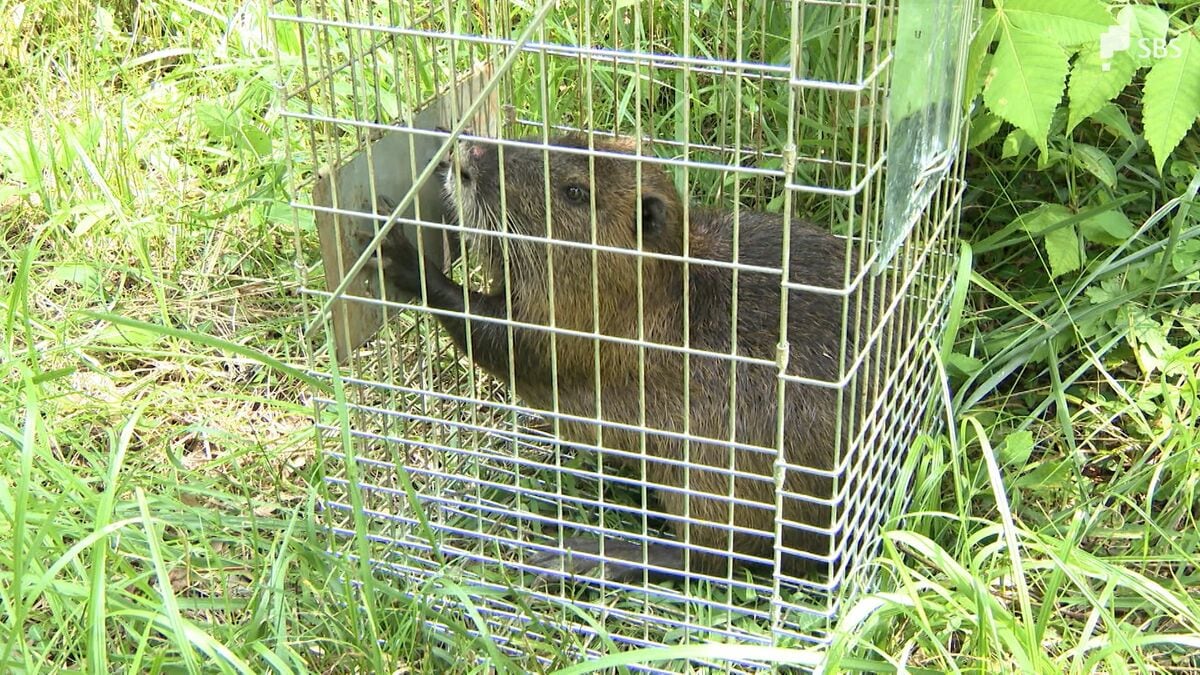
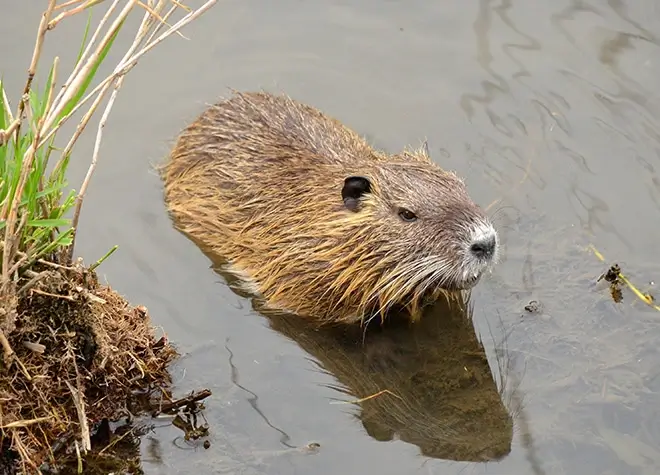
In an effort that blends pest control with sustainable food innovation, officials in Iwata have begun experimenting with turning nutria—a large invasive rodent—into game meat for human consumption. Originally native to South America, nutrias have been damaging local crops such as broccoli and rice since they were first sighted in the Iwata area in 2021. Each year, only a small number are captured, but city officials now believe the focus should shift from simple eradication to practical use.
Iwata's mayor, Kusachi Hiroaki, has already tasted nutria prepared as sausage and in a tomato-based stew, and expressed his approval. He described the flavour as excellent and argued that the meat could easily be developed into a commercial product. Animals should not be viewed solely as agricultural pests, but rather as a potential resource. By utilising them, the city could also build a more sustainable, circular economy.
In an effort that blends pest control with sustainable food innovation, officials in Iwata have begun experimenting with turning nutria—a large invasive rodent—into game meat for human consumption. Originally native to South America, nutrias have been damaging local crops such as broccoli and rice since they were first sighted in the Iwata area in 2021. Each year, only a small number are captured, but city officials now believe the focus should shift from simple eradication to practical use.
Iwata's mayor, Kusachi Hiroaki, has already tasted nutria prepared as sausage and in a tomato-based stew, and expressed his approval. He described the flavour as excellent and argued that the meat could easily be developed into a commercial product. Animals should not be viewed solely as agricultural pests, but rather as a potential resource. By utilising them, the city could also build a more sustainable, circular economy.
Hunters will use live traps and air rifles to capture nutrias, while the JA will compile reports on crop damage and sightings. The collected data, including the capture location, size and condition of the animals, will help form strategies to prevent future damage. Researchers from the university will focus on analyzing the nutritional value, meat quality and flavor of nutria. They aim to develop menu ideas that could eventually be introduced to restaurants or markets. Although an establishment in the prefecture already serves nutria dishes, comprehensive information about the meat's nutritional content is still lacking.