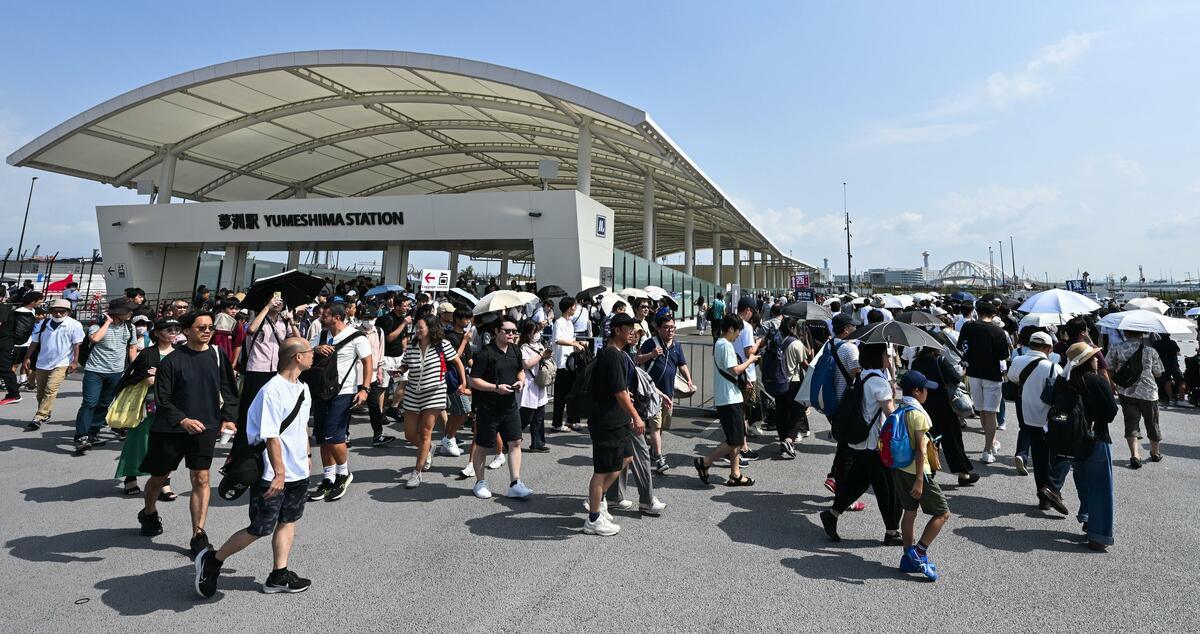
Yesterday, the Expo 2025 Osaka closed its gates. The quest for its legacy has just begun:
Many people around the world remember the 1970 Osaka Expo for its futuristic inventions — the early prototypes of mobile phones, the moon rocks brought back by NASA's Apollo missions, and Tarō Okamoto's haunting Tower of the Sun (太陽の塔). But for people in Kansai, its most tangible legacy is the vast 260-hectare Expo Commemorative Park that still anchors the region's collective memory.
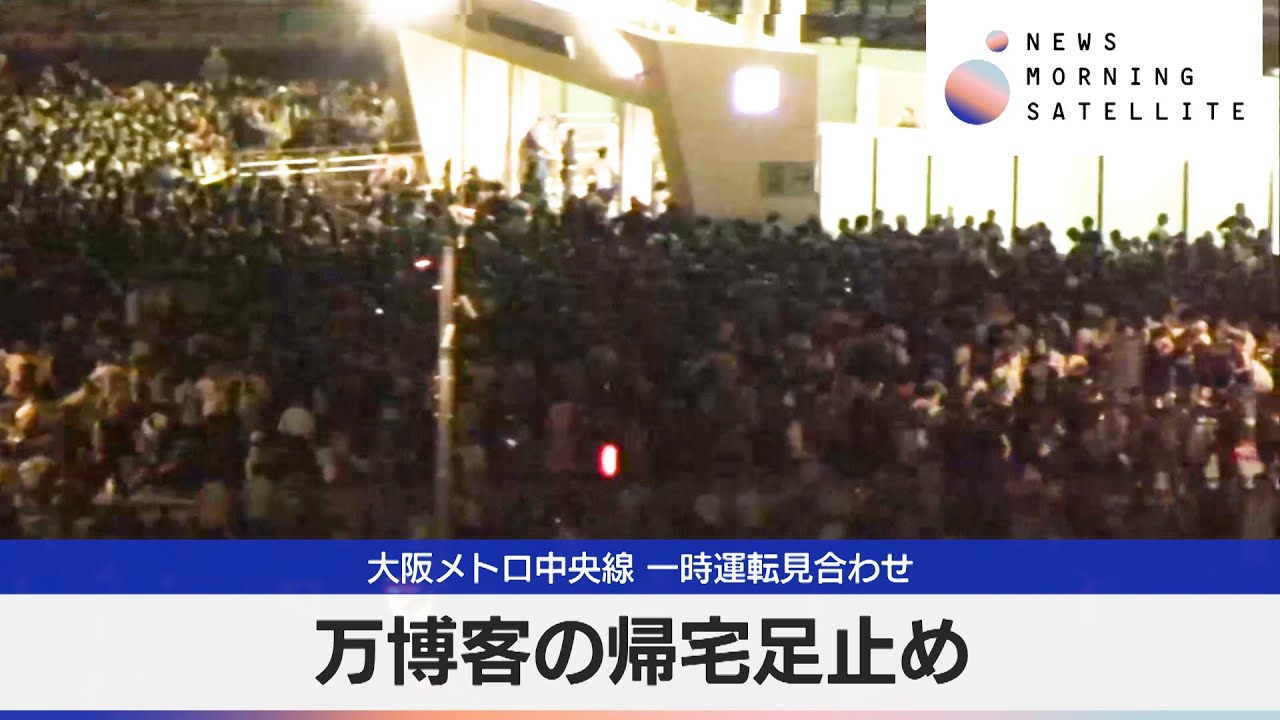
As the 2025 Osaka Expo wraps up its six-month run — a period marked by sweltering heat, long queues, and even a late-night subway shutdown — the event is being hailed as a financial success. Yet, as the gates close, attention is turning to what comes next and to a more lasting question: how will this Expo be remembered?
With global enthusiasm for World Expos far quieter than it once was, and with parts of the site already earmarked for Japan's first integrated casino resort, it remains uncertain whether the 2025 event will leave behind a legacy comparable to that of 1970. Still, organisers hope that the technological innovations showcased, along with new infrastructure such as the remaining 200-metre stretch of the Grand Ring, will ensure the Expo's place in public memory — not only as a display of progress but as the first World Expo held in the post-pandemic era.
The mega-event was a resounding success, taking in some 25 million visitors over 184 days. But how its legacy will look in the decades to come remains a question mark.

www.japantimes.co.jp
Another issue will be how to use the Expo site:
Plans are already in motion to transform the area, with proposals including the creation of a world-class water park to give the grounds a new lease of life. Next door, construction is progressing on Japan's first integrated resort — a vast complex that will feature a casino and is slated to open in 2030. The ambition is to turn the wider area into a global entertainment destination capable of attracting up to 30 million visitors each year.
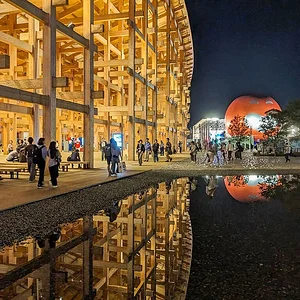
Of the original Expo structures, only about 200 metres of the two-kilometre Grand Ring on the site's northeast side and a section of the Osaka Healthcare Pavilion are expected to remain. All other pavilions will soon be dismantled and cleared away, marking the end of one chapter and the beginning of another for the man-made island of Yumeshima.
Redevelopment of the site will be carried out in two stages. Osaka's prefectural and city governments will first solicit developers next spring for about 42 hectares in the center of the venue. Private businesses will consider developing a water park and a racing circuit with an eye toward attracting the Formula One racing series. The 40 hectares to the south, including the waterfront area that featured the "Under the Midnight Rainbow" water show, will undergo landfill work and then begin development. The timing and details of the development yet to be decided, but the aim is to attract such facilities as a resort for long-term stays. Construction of the integrated-resort complex itself began in April on a 49-hectare area next to the venue. In addition to a casino and luxury hotel, the site will include an international conference center with meeting rooms that can accommodate more than 6,000 people. The main facilities will be built near Yumeshima Station on the Osaka Metro, which served as the main entrance to the expo.
Paywall alert:
Project faces challenge of standing out from likes of Singapore, Las Vegas

asia.nikkei.com


 mainichi.jp