The city of Nagoya is considering using a new technology for the planned wooden restoration of Nagoya Castle's keep, in which small electric elevators will be installed on each floor, allowing visitors to change elevators as they ascend. Unlike the installation of a conventional elevator, the pillars and beams of the original wooden structure of the castle will not be damaged. This is expected to be an initiative that will restore the historic building and make it barrier-free.
According to city officials, the motorised cages were developed based on small vertical lifting equipment used on ships and other vessels with narrow interiors. It can accommodate four people, including wheelchair users and their companions. Visitors have to change from one floor to the next, but unlike a lift, which requires ample space, this system can be installed between pillars and beams.
The city's mayor, Takashi Kawamura, has insisted that the wooden keep be restored in a way that is faithful to historical fact and has been considering the idea of not installing a lift. However, this was opposed by disabled people's groups and others. In a public call for technology to make the keep barrier-free, which the city held from April to August this year, a proposal for an electric basket was caused by an operator. The city will explain the proposal at a standing committee meeting of the city council to be held on 5 April.
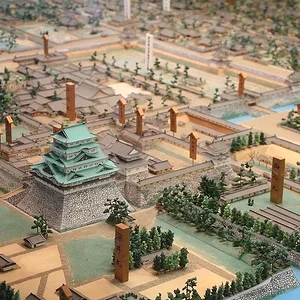
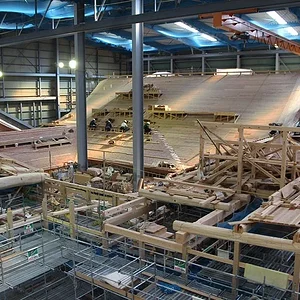
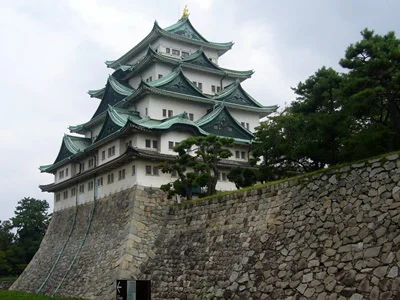
Nagoya Castle's keep, completed in 1612, was designated a National Treasure in 1930, the first castle tower to be so designated, and was destroyed in an air raid in 1945 but was rebuilt in 1959 using steel-framed reinforced concrete construction. Due to problems with earthquake resistance, the city decided to dismantle the current keep and restore the wooden structure. The original aim was to complete it in the summer of 2020, but permission from the Agency for Cultural Affairs is required, and the completion date has not been set.


 jref.com