


- 14 Mar 2002
- 21,050
- 18,903
This was reported by Sankei. Yes, it's sort of an advertorial, but I found it interesting. 
A hotel in Kushiro, eastern Hokkaido , is promoting a spring travel package for people seeking relief from pollen allergies. Bookings for the plan at the Kushiro Prince Hotel have increased eightfold since its introduction in 2020.
Pollen allergies affect a growing share of the population in Japan and are often described as a national ailment. A Panasonic survey, "Economic Loss from Reduced Labour Productivity Due to Pollen in 2026," estimates the daily economic loss at about ¥245 billion. Respondents said their symptoms reduce their work performance by about 3.2 hours per day.
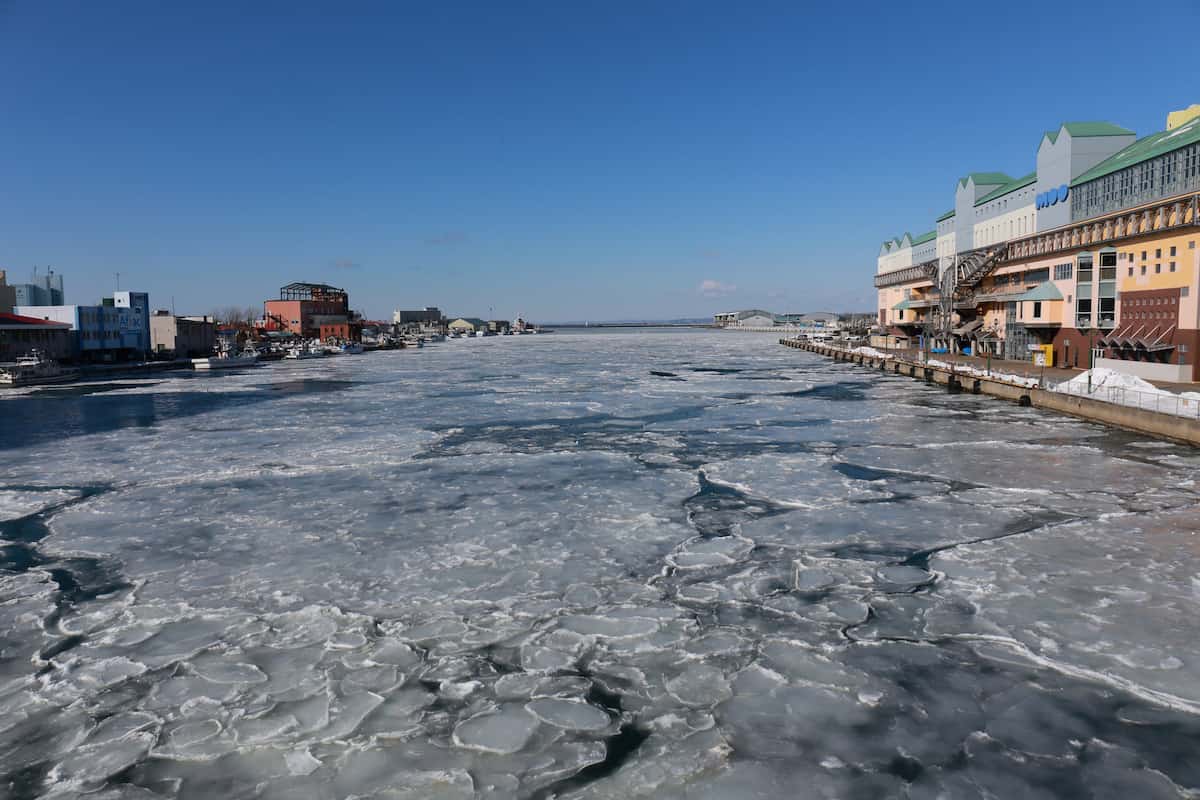
Some regions now market themselves as low-pollen destinations. Kushiro is among them. Cedar and cypress trees — the main sources of pollen allergies in Japan — do not grow naturally in the area, according to city officials. Birch trees exist, though their pollen levels are small.
The Kushiro Prince Hotel offers a seasonal package called "Comfortable Stay in Pollen-Free Kushiro! High-Floor Room Upgrade Plan." It runs from February to the end of April, when pollen levels peak elsewhere. Guests are guaranteed rooms on the 15th floor or higher, many with Pacific Ocean views and Kushiro's well-known sunsets.
Early users were mostly in their 60s. Recently, more guests in their 30s and 40s have booked the plan, with men slightly outnumbering women. Most stays last one or two nights, though some visitors remain for up to two weeks. Travellers often combine pollen avoidance with outdoor activities or local seafood. Work-from-anywhere stays have also increased. Reservations for the plan in 2026 are about eight times higher than in its first year. As pollen allergies spread, areas with low pollen levels may emerge as a new tourism draw.

 www.sankei.com
A hotel in Kushiro, eastern Hokkaido , is promoting a spring travel package for people seeking relief from pollen allergies. Bookings for the plan at the Kushiro Prince Hotel have increased eightfold since its introduction in 2020.
Pollen allergies affect a growing share of the population in Japan and are often described as a national ailment. A Panasonic survey, "Economic Loss from Reduced Labour Productivity Due to Pollen in 2026," estimates the daily economic loss at about ¥245 billion. Respondents said their symptoms reduce their work performance by about 3.2 hours per day.
Some regions now market themselves as low-pollen destinations. Kushiro is among them. Cedar and cypress trees — the main sources of pollen allergies in Japan — do not grow naturally in the area, according to city officials. Birch trees exist, though their pollen levels are small.
The Kushiro Prince Hotel offers a seasonal package called "Comfortable Stay in Pollen-Free Kushiro! High-Floor Room Upgrade Plan." It runs from February to the end of April, when pollen levels peak elsewhere. Guests are guaranteed rooms on the 15th floor or higher, many with Pacific Ocean views and Kushiro's well-known sunsets.
Early users were mostly in their 60s. Recently, more guests in their 30s and 40s have booked the plan, with men slightly outnumbering women. Most stays last one or two nights, though some visitors remain for up to two weeks. Travellers often combine pollen avoidance with outdoor activities or local seafood. Work-from-anywhere stays have also increased. Reservations for the plan in 2026 are about eight times higher than in its first year. As pollen allergies spread, areas with low pollen levels may emerge as a new tourism draw.
「花粉から逃げる宿泊プラン」予約数8倍 釧路プリンスホテルが販売、新たな観光資源に
釧路プリンスホテルは2020年から「避粉地」という特性を生かした宿泊プランを販売している。当時から比べて、2026年は約8倍の予約数を記録。どんなプランなのか?


