


- 14 Mar 2002
- 21,054
- 18,910
KDDI successfully tested a drone delivery service to a remote village, aiming to enhance logistics for ageing, isolated communities. The drone travelled 7.1 kilometres in about 12 minutes. In mid-February, a Lawson convenience store in Chichibu, Saitama Prefecture, sent a 3.3-kilogramme package — including fried chicken and ready-made meals — to Urayama, a village in the surrounding mountains. The drone flew autonomously, using automated control systems to avoid obstacles. For about 500 metres, the route passed through areas without cell coverage, but the test overcame this by using SpaceX's Starlink satellite internet, with portable base stations ensuring a stable connection.
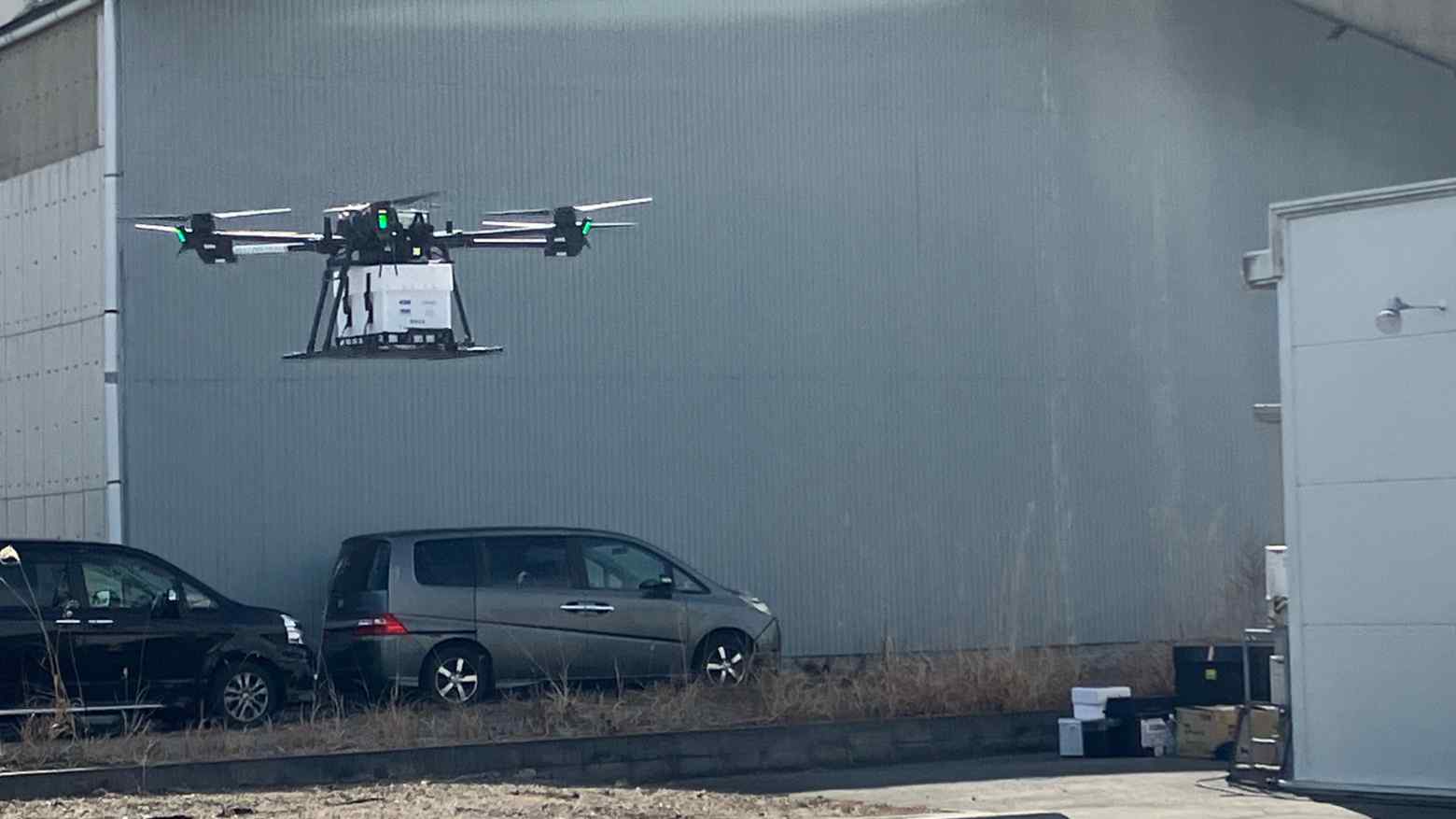
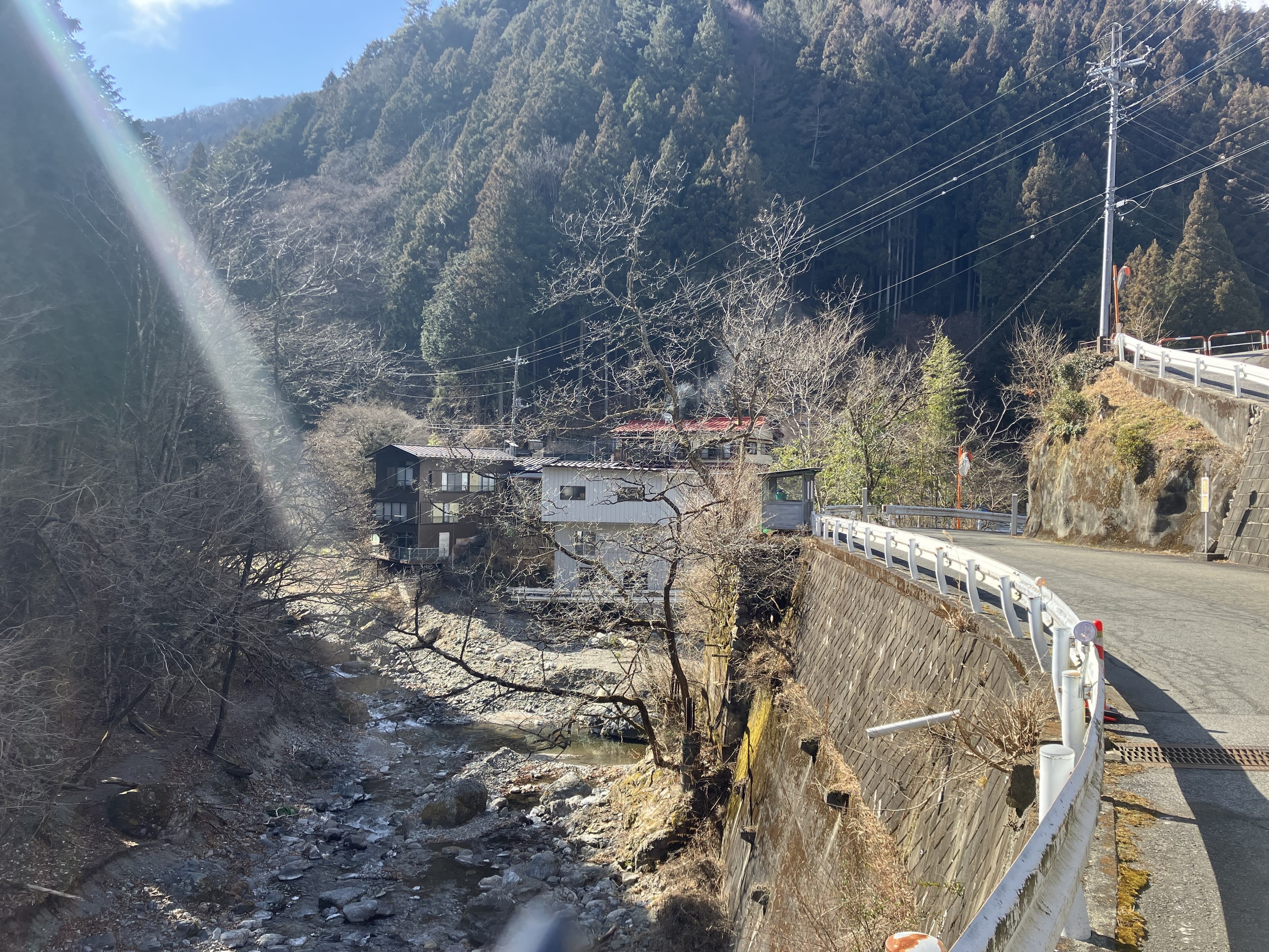
Photo credit: Yoshida Wataru via Nikkei
Managing costs is a significant challenge for the drone delivery service, with the development of an efficient operating system seen as essential to keeping expenses low. Toshihiro Morishima, general manager of KDDI's smart-drone operation, expressed the company's aim to keep usage fees at around 500 yen ($3.30) per delivery. Labour costs are significant, as the Urayama test involved only a single drone. However, the company's long-term goal is to enable one operator to manage multiple drones remotely from locations like Tokyo.
Paywall alert:

 asia.nikkei.com
Photo credit: Yoshida Wataru via Nikkei
Once a busy township filled with lumberjacks, Urayama is now home to just 67 people across 43 households. Nearly 70% of the population is aged over 65. Homes are scattered within steep ravines. On a winding road connecting the village to the major thoroughfare, certain parts can barely fit two cars passing each other. The delivery drone arrived at a Urayama senior centre converted from an elementary school that shut down in 1992. The aircraft landed to cheers from gathered locals.
Managing costs is a significant challenge for the drone delivery service, with the development of an efficient operating system seen as essential to keeping expenses low. Toshihiro Morishima, general manager of KDDI's smart-drone operation, expressed the company's aim to keep usage fees at around 500 yen ($3.30) per delivery. Labour costs are significant, as the Urayama test involved only a single drone. However, the company's long-term goal is to enable one operator to manage multiple drones remotely from locations like Tokyo.
Paywall alert:
Japan's KDDI tests drone delivery to remote mountain village
Proof-of-concept trial aims to address challenges facing isolated seniors
asia.nikkei.com


