


- 14 Mar 2002
- 21,050
- 18,903
In addition to disputes involving Kurdish residents in Kawaguchi, Saitama, and Miyagi, where plans for a Muslim cemetery were rejected, another controversy that has heightened local concerns is the planned construction of a mosque in Fujisawa, just west of Kamakura:
A planned mosque in Fujisawa, a city of about 440,000 an hour south of Tokyo, has become a focal point for debate over how local communities are adjusting to a growing Muslim population. Mohamed Khaleel, a 54-year-old Sri Lankan businessman, said the idea dates back more than a decade, when local Muslims began discussing the need for a place of worship. The nearest large mosque, Ebina Masjid, is about 20 kilometres away and has struggled to handle the increase in worshippers.
In 2021, Khaleel and others chose a 980-square-metre former factory site on the northern edge of Fujisawa. They established the Fujisawa Masjid NPO, raised funds, purchased the land, and began the permit process. Khaleel said it was not easy, but they kept going. Hirofumi Tanada, professor emeritus at Waseda University, estimates around 420,000 Muslims live in Japan, including about 25,000 in Kanagawa. The number of mosques, he said, has increased roughly tenfold since the early 2000s.
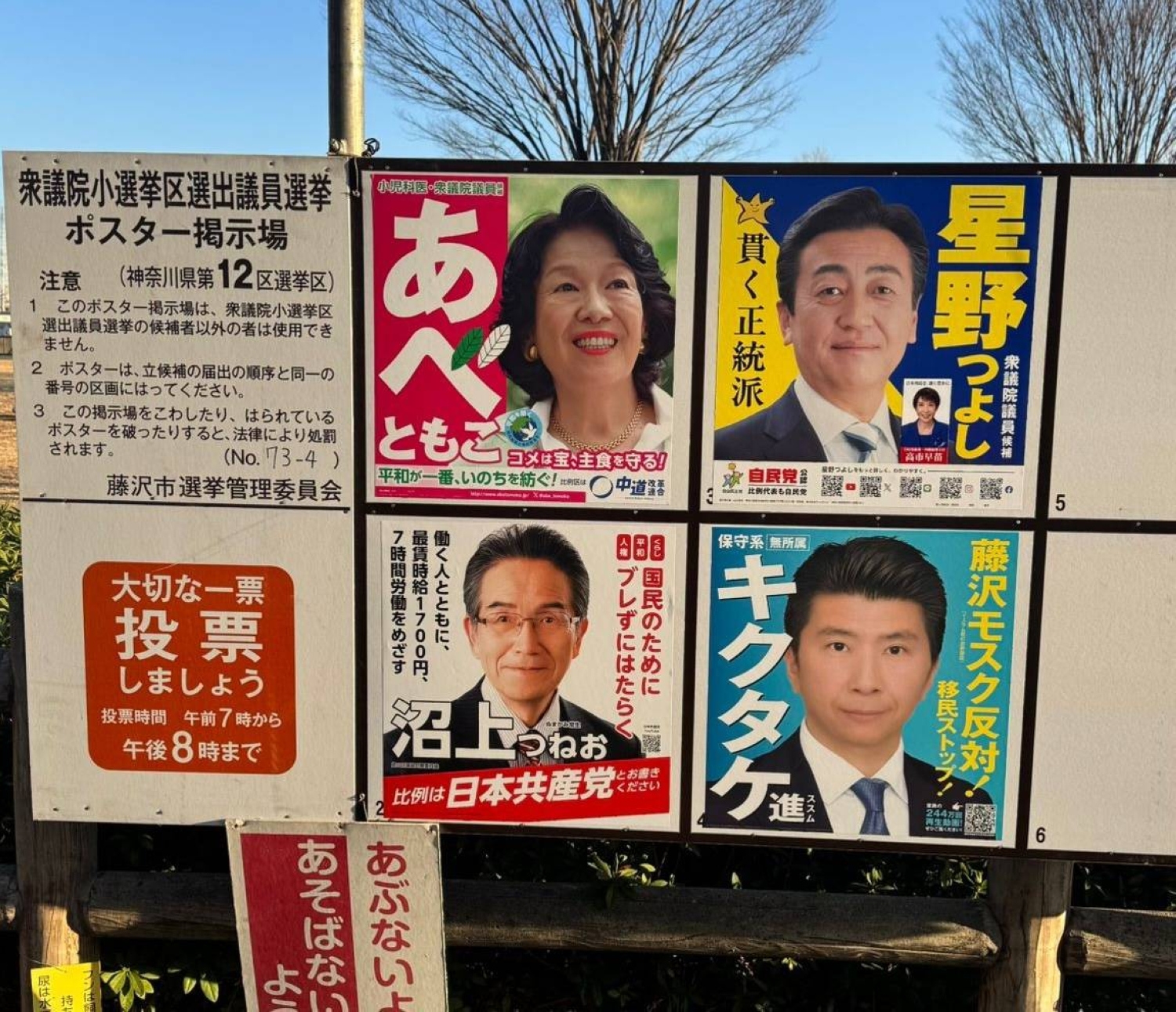
Kikutake, 54, has framed his campaign as a grassroots effort. He describes himself as a "citizen who loves this city" and says he has joined with others to protect what he calls the community's safety and living environment. He is calling for the mosque project to be halted. More discussion is needed, he says, until residents are satisfied. That comes even as Fujisawa Masjid maintains that no substantive objections had been raised before the campaign began.
Once the campaign got underway, the Muslim community says the tone changed. They describe a wave of rumours and misinformation, much of it spreading online, where claims go unchecked. Some of it has targeted migrants and minorities more broadly. One example often cited is Kikutake's claim that the planned mosque would include a Muslim cemetery, and that burials there could contaminate the local water supply.

 www.japantimes.co.jp
Asahi and Mainichi reported on his unfounded, inflammatory remarks in February:

 mainichi.jp
mainichi.jp
It is very unsettling to read the comments in the YouTube interview above.
A planned mosque in Fujisawa, a city of about 440,000 an hour south of Tokyo, has become a focal point for debate over how local communities are adjusting to a growing Muslim population. Mohamed Khaleel, a 54-year-old Sri Lankan businessman, said the idea dates back more than a decade, when local Muslims began discussing the need for a place of worship. The nearest large mosque, Ebina Masjid, is about 20 kilometres away and has struggled to handle the increase in worshippers.
In 2021, Khaleel and others chose a 980-square-metre former factory site on the northern edge of Fujisawa. They established the Fujisawa Masjid NPO, raised funds, purchased the land, and began the permit process. Khaleel said it was not easy, but they kept going. Hirofumi Tanada, professor emeritus at Waseda University, estimates around 420,000 Muslims live in Japan, including about 25,000 in Kanagawa. The number of mosques, he said, has increased roughly tenfold since the early 2000s.
Independent politician Susumu Kikutake (lower right) ran in the Lower House election on an anti-immigration platform that specifically targeted the construction of a mosque in Fujisawa. His poster reads, "Against the Fujisawa mosque! Stop immigration!" (FUJISAWA MASJID)
Then, in late 2025, in the run-up to February's Lower House election, conservative YouTuber Susumu Kikutake entered the race for the Kanagawa No. 12 seat, which covers Fujisawa, as an independent on an anti-immigration platform. His campaign, carried out online and in rallies in front of train stations, focused largely on opposing the mosque's construction. Ali Al-Hakim, 61, a Syrian member of the mosque committee who asked to use a pseudonym because of his work situation, says he was shocked when he heard about Kikutake's campaign and struggled to understand his motivation for attacking the Muslim community. "In his speeches, he didn't speak about the economy, about education, about the pension system — about issues important to Japanese people," he says. "On his poster, there's only his name and one phrase: 'I am against the mosque.'"
Kikutake, 54, has framed his campaign as a grassroots effort. He describes himself as a "citizen who loves this city" and says he has joined with others to protect what he calls the community's safety and living environment. He is calling for the mosque project to be halted. More discussion is needed, he says, until residents are satisfied. That comes even as Fujisawa Masjid maintains that no substantive objections had been raised before the campaign began.
Once the campaign got underway, the Muslim community says the tone changed. They describe a wave of rumours and misinformation, much of it spreading online, where claims go unchecked. Some of it has targeted migrants and minorities more broadly. One example often cited is Kikutake's claim that the planned mosque would include a Muslim cemetery, and that burials there could contaminate the local water supply.
Fujisawa flashpoint: A mosque project stokes nativist fears
The planned construction of a mosque in Fujisawa, Kanagawa Prefecture, had been quietly proceeding for years — until a YouTuber decided to run for office.
Asahi and Mainichi reported on his unfounded, inflammatory remarks in February:
Candidate opposing mosque spreads unfounded 'burial' claims ahead of Japan election - The Mainichi
FUJISAWA, Kanagawa -- A House of Representatives election candidate opposing the construction of mosque in this east Japan city has repeatedly made un
Candidate opposing mosque spreads unfounded 'burial' claims ahead of Japan election - The Mainichi
FUJISAWA, Kanagawa -- A House of Representatives election candidate opposing the construction of mosque in this east Japan city has repeatedly made un
It is very unsettling to read the comments in the YouTube interview above.


