


- 14 Mar 2002
- 21,138
- 19,083
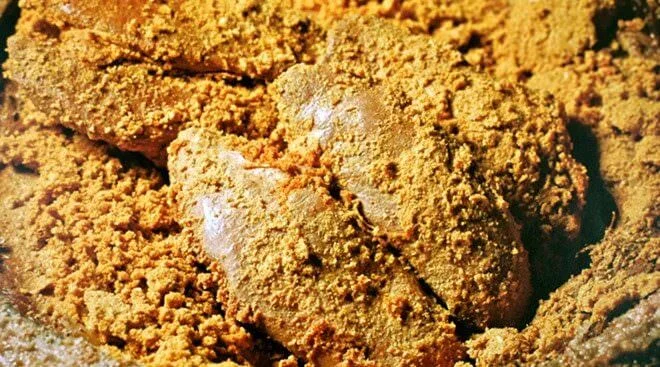
In our thread on shirako, we introduced the Japanese speciality of sperm sacs, usually taken from cod, anglerfish, salmon, squid, and pufferfish. Fugu (河豚; 鰒), pufferfish, offers another unique delicacy that could be your last supper if not adequately prepared: the "mako" ovaries containing a powerful poisonous compound, tetrodotoxin. Ovaries of the Japanese pufferfish are pickled in salt and bran in Hakusan's Mikawa district (Ishikawa Prefecture) to eliminate the toxic poison. It is anything but a quick process.
About the toxicity of fugu:
One such eatery on the grounds of JR Mikawa Station offers an "ochazuke" bowl topped with brown pickled fugu ovary on white rice for 400 JPY ($2.80). It has a strong salty aroma that exudes an appetizing flavour. Fish eggs burst throughout the oral cavity like bubbles. The salty taste is savoury by lightly mixing the ingredients in the bowl. It is not uncommon to see diners wolfing down the dish. In a book on fugu, Takeo Koizumi, professor emeritus of cuisine culture at the Tokyo University of Agriculture, described the ovaries of blowfish as "the most incredible fermented food on this planet." "It would be able to win World Heritage status in the foodstuff category by itself," Koizumi wrote. Only 21 agencies in Ishikawa Prefecture have won permission to make pickled fugu ovaries across Japan.
About the toxicity of fugu:
Fugu contains lethal amounts of the poison tetrodotoxin in its organs, especially the liver, the ovaries, eyes, and skin. The poison, a sodium channel blocker, paralyzes the muscles while the victim stays fully conscious; the poisoned victim cannot breathe and eventually dies from asphyxiation[. There is no known antidote for fugu poison. The standard treatment is to support the respiratory and circulatory systems until the poison is metabolized and excreted by the victim's body. Researchers have determined that a fugu's tetrodotoxin comes from eating other animals infested with tetrodotoxin-laden bacteria, to which the fish develops insensitivity over time. As such, efforts have been made in research and aquaculture to allow farmers to produce safe fugu. Farmers now produce poison-free fugu by keeping the fish away from the bacteria; Usuki, a town in Ōita Prefecture, has become known for selling non-poisonous fugu.


