


- 14 Mar 2002
- 21,057
- 18,914
Nanzoin Temple in Fukuoka Prefecture, renowned for its 41-metre-long reclining Buddha statue, has recently come under scrutiny for its decision to impose entrance fees exclusively on foreign visitors. Since May, the temple has required international tourists to pay 300 yen (around $2) to enter, citing the need to address disruptive behaviour by some visitors. The public and experts have criticised the policy for its lack of transparency. The debate comes at a time when the number of inbound tourists has reached record levels, intensifying scrutiny of policies targeting foreigners. At the temple entrance, a sign in English reading "Visitors" directs foreign guests to a reception window where the fee is collected. Individuals who can show documentation of long-term residence in Japan for work or study are exempt from the charge.
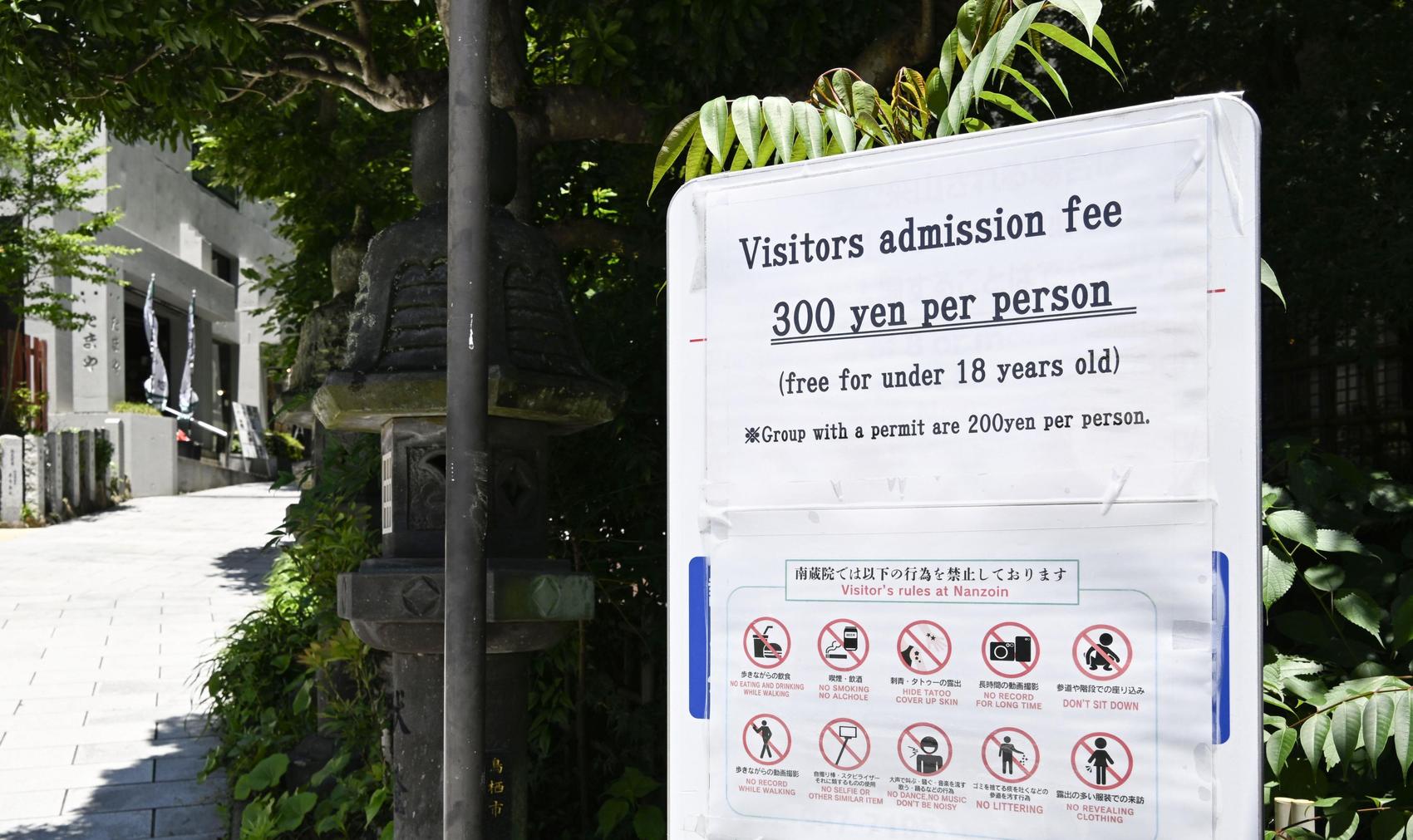
Photo credit: Kyodo

 mainichi.jp
Photo credit: Kyodo
As Japanese people are not charged, no explanation in Japanese appears on the sign. Staff or security guards confirm verbally, asking questions like "Are you from Japan?" before directing them to bypass the line without waiting. Kakujo Hayashi, the temple's head monk, said the number of foreign guests has surged since Japan lifted COVID-19 restrictions, bringing more littering, drinking and fireworks use on the grounds, as well as misuse of bathroom facilities. "We want someone to take responsibility for the extra costs" of cleaning and security, said Hayashi, 72, adding, "It is not discrimination." Differential pricing based on nationality is not without precedent abroad, with major attractions such as India's Taj Mahal charging foreign visitors more for admission to help cover maintenance costs while keeping access affordable for locals.
Japan temple's foreigner-only entrance fees spark debate, criticism - The Mainichi
FUKUOKA (Kyodo) -- A temple in southwestern Japan is drawing controversy and criticism for its recent decision to charge admission only to foreign tou
Link:
Nanzoin Temple
Nanzo-in (南蔵院) is a Shingon sect Buddhist temple in Sasaguri, Fukuoka Prefecture. It is notable for its bronze statue of a reclining Buddha, said to be the largest bronze statue in the world.


