


- 14 Mar 2002
- 21,053
- 18,908
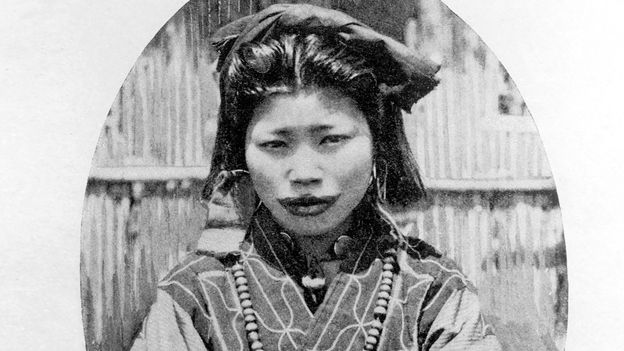
The BBC on whether AI can save the Ainu language from extinction.
 www.bbc.co.uk
Only a few native speakers of the Ainu language remain today, and UNESCO has classified it as "Critically Endangered." In 1870, just after Hokkaidō (formerly Ezo or Ezochi) was formally incorporated into Japan, around 15,000 people were estimated to speak Ainu, most of them monolingual. However, a series of assimilationist policies—including a ban on the use of Ainu in schools—led to a dramatic decline in speakers. By 1917, only about 350 remained, and that number has continued to decline.
Much of the language's subtlety has been lost, yet fragments endure. According to Kenji Sekine, there are still over 80 known terms for "bear" alone, reflecting the Ainu people's deep spiritual and linguistic connection to nature. In Ainu belief, all beings other than humans are considered kamuy (神 kamuy, deity or spirit), including animals such as the bear (kimunkamuy) and the wolf (horkewkamuy).
Although Ainu has been officially recognised as Japan's second national language, it remains excluded from the standard school curriculum in Hokkaidō. Professor Hirofumi Kato of Hokkaidō University criticises the education system for perpetuating a narrow, monocultural view of Japanese identity, leaving little space for Indigenous voices or perspectives.
The quasi-erasure of the Ainu language and culture has left many of their descendants struggling to rediscover and re-establish a sense of identity within modern Japanese society. In recent years, however, interest in Ainu traditions has begun to grow again. Representations of Ainu people in popular culture—particularly in manga and other media—have helped to broaden public awareness. However, they have also raised concerns about superficial portrayals and cultural appropriation. Nonetheless, the movement to revitalise the Ainu language and heritage is gaining strength. In 2019, the Japanese government formally recognised the Ainu as an Indigenous people and introduced measures aimed at promoting their cultural presence and participation in society. Today, new initiatives, including those employing artificial intelligence, are working to preserve and revitalise the Ainu language, offering hope that it may yet be passed on to future generations.
Much of the language's subtlety has been lost, yet fragments endure. According to Kenji Sekine, there are still over 80 known terms for "bear" alone, reflecting the Ainu people's deep spiritual and linguistic connection to nature. In Ainu belief, all beings other than humans are considered kamuy (神 kamuy, deity or spirit), including animals such as the bear (kimunkamuy) and the wolf (horkewkamuy).
Although Ainu has been officially recognised as Japan's second national language, it remains excluded from the standard school curriculum in Hokkaidō. Professor Hirofumi Kato of Hokkaidō University criticises the education system for perpetuating a narrow, monocultural view of Japanese identity, leaving little space for Indigenous voices or perspectives.
The quasi-erasure of the Ainu language and culture has left many of their descendants struggling to rediscover and re-establish a sense of identity within modern Japanese society. In recent years, however, interest in Ainu traditions has begun to grow again. Representations of Ainu people in popular culture—particularly in manga and other media—have helped to broaden public awareness. However, they have also raised concerns about superficial portrayals and cultural appropriation. Nonetheless, the movement to revitalise the Ainu language and heritage is gaining strength. In 2019, the Japanese government formally recognised the Ainu as an Indigenous people and introduced measures aimed at promoting their cultural presence and participation in society. Today, new initiatives, including those employing artificial intelligence, are working to preserve and revitalise the Ainu language, offering hope that it may yet be passed on to future generations.
Can AI speak the language Japan tried to kill?
More than a century after colonisation, the Ainu language almost vanished. Now machines are listening to hours of old recordings and learning to give it a new voice.
www.bbc.co.uk


