


- 14 Mar 2002
- 21,054
- 18,910
Bento, a Japanese meal artfully packed in a box, is gaining global popularity. Tourists from abroad are drawn to bento-making classes, attending them as a primary purpose of their visit. The allure lies in the unique and appealing ingredients, often unavailable in their home countries.
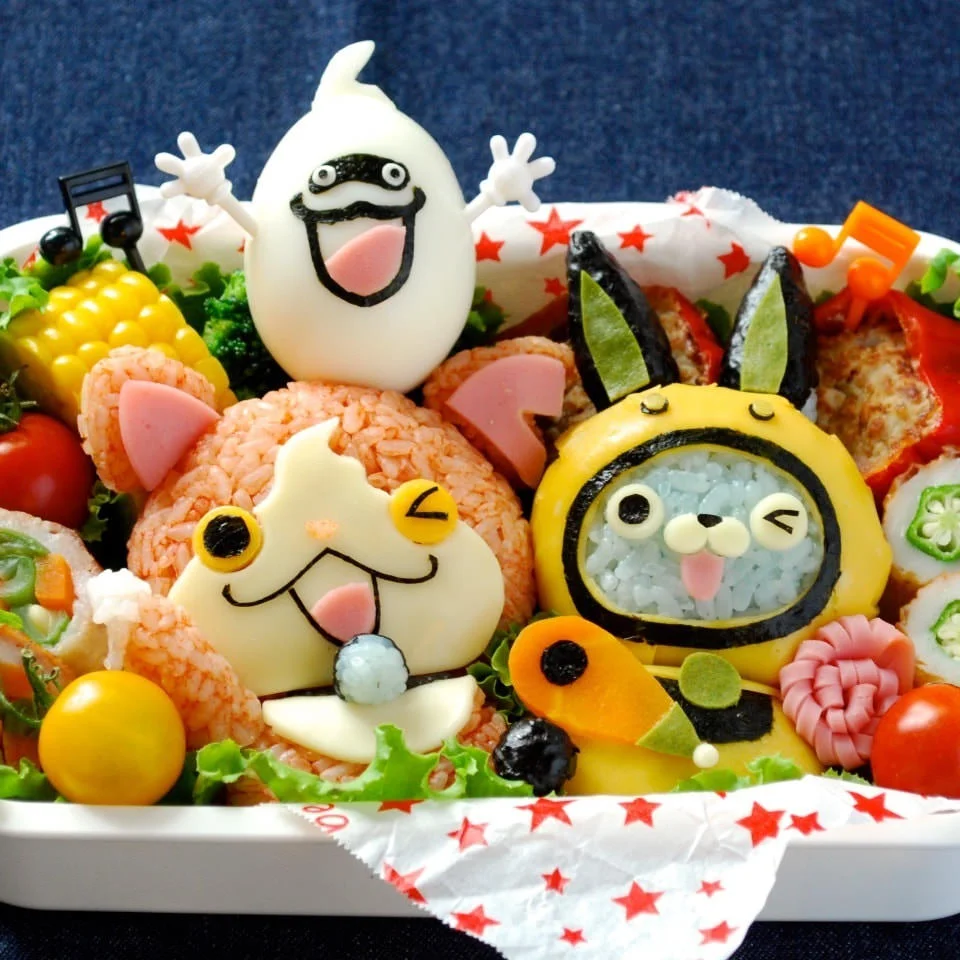
Charaben, also known as Kyaraben (キャラ弁), is a Japanese culinary art form where bento boxes are elaborately arranged to resemble people, characters from popular media, animals, or plants. Initially created to encourage children to eat healthier meals, charaben has evolved into a cultural symbol and is celebrated for its creativity and skill. These edible works of art continue to captivate both kids and adults alike.
Paywall alert:

 asia.nikkei.com

 mainichi.jp
Charaben, also known as Kyaraben (キャラ弁), is a Japanese culinary art form where bento boxes are elaborately arranged to resemble people, characters from popular media, animals, or plants. Initially created to encourage children to eat healthier meals, charaben has evolved into a cultural symbol and is celebrated for its creativity and skill. These edible works of art continue to captivate both kids and adults alike.
Bento culture is unique to Japan partly because of differences in the use of water in cooking between Japan and other countries, according to Nobuo Harada, professor emeritus in the history of food culture at Kokushikan University in Tokyo. "Japanese cuisine often uses grilled fish, and food simmered in dashi broth," he said. He compared this to Western meals, which "are not good to carry out because they have a sauce poured over them, and thus have a lot of juice." Across the wider Asian region, Bento has not taken hold because, for example, Chinese cuisine includes many meals cooked in sauces, Harada said. Southeast Asians, meanwhile, are amply served by food stalls, so Bento has not caught up there, he explained. Fine-looking Bento is considered to have developed in Japan during the Edo period (1603-1867). "Citizens prepared fancy-looking and tasty bento for enjoyment during viewing of the cherry blossoms or in an interval of a theatrical performance," Harada said. Many people abroad make Bento on a routine basis these days. He said that Thomas Bertrand from France, who operates Kyoto-based bento box maker Bento & Co., sells up to 100 units daily, mainly in Europe and the U.S. Top-notch chefs use bento boxes at restaurants and hotels overseas. According to Bertrand, two-tiered or partitioned bento boxes are becoming very popular abroad as they are rarely available outside Japan. In France, the word bento appeared in a dictionary for the first time more than ten years ago and is becoming more commonly used in everyday life, he says.
Paywall alert:
Bento food tourism lures visitors to Japan
Classes making 'character' meals increasingly seen as main purpose of visits
asia.nikkei.com
Kyaraben, commonly practised by parents making lunch for their children, involves arranging various food items such as rice, vegetables, eggs, or meat into cute designs or characters. The portrayal of intricately arranged bento boxes in anime and on social media has helped fuel the kyaraben fad, with numerous cooking schools and private instructors now offering such classes for inbound tourists across Japan. "In many cases, (kyaraben classes) are done at residences. I don't think holding them in restaurants is very common," said Yamaguchi. Ten influencers attended a pre-launch Umami Experience class on Jan. 21 at Umamitakurami, where they were taught how to make panda-shaped character bento boxes, create faces out of seaweed and mounds of rice, and make hearts from mini sausages. Among the participants, Tokyo-based Australian travel and foodie influencer Stefatty later posted on her Instagram that the experience made her "obsessed with making tamagoyaki (Japanese omelette) at home."
Character bento classes boost restaurant potential amid Japan boom - The Mainichi
TOKYO (Kyodo) -- Workshops for foreign visitors to make bento box lunches with food items arranged in the shapes of cute characters could help uncover

