

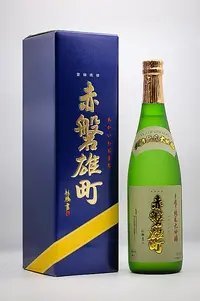
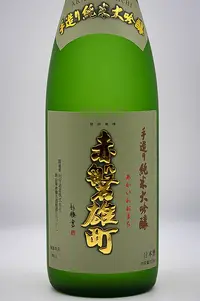
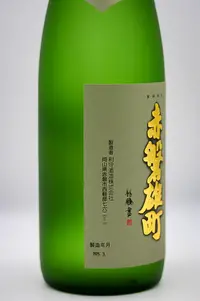
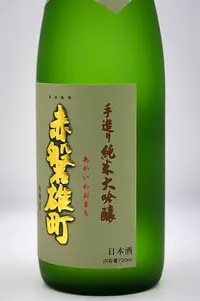
Sake specs
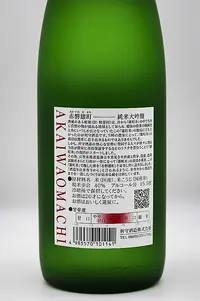
- Prefecture
- Okayama (岡山)
- Rice type
- Omachi (雄町)
- Polishing rate (semaibuai)
- 40%
- Alcohol content
- 15%
- SMV
- +4
- Acidity
- 1.3
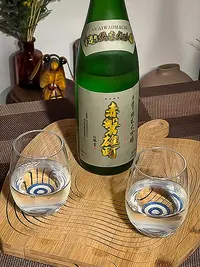
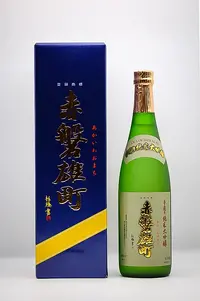
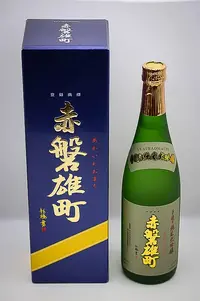
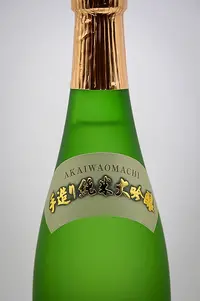
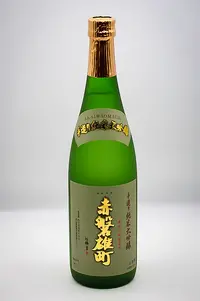
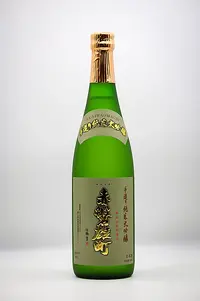
Sake Hitosuji Akaiwa Omachi Junmai Daiginjō (赤磐雄町) is made with the legendary Omachi rice variety milled to 40%. Its distinct umami appeals to those who enjoy a rich and lively flavour. With each sip, a refreshing and well-rounded taste unfolds, allowing the characteristic umami of Omachi rice to fill the palate gently. The flavour evokes a sense of the countryside, offering a calm and immersive experience.
It goes well with meat dishes such as sukiyaki, shabu-shabu, yakitori, and fish dishes such as sashimi and tataki. It can be enjoyed throughout the year. It is well-suited to being served chilled or over ice in summer, while in winter, it can also be warm. If not heated, it is pleasant at room temperature or slightly cooler. Depending on personal preference, it can be served gently warmed or hot during the colder months.
Awards:
- Premios Sakes CINVE 2023, 2022, 2021 Grand-Gold
- Singapore Sake Challenge 2023 Gold Award












About the brewery
- Brewery
- Toshimori Shuzō
- Name in Japanese
- 利守酒造
- Address
- 762-1 Nishikarube, Akaiwa, Okayama 701-2215
- Phone
- 086-957-3117
- Website

Located in Karube, an area long renowned for producing some of the finest Omachi rice, the brewery has played a key role in reviving this historically significant sake rice variety. With dedication and conviction, it restored the once-lost Karube-grown Omachi rice, bringing it back to prominence under the name Akaiwa Omachi Mai. The use of this rice is known to enhance the complexity and depth of its sake.
Following the philosophy that "sake brewing begins with rice cultivation," Toshimori Shuzō is committed to growing its own rice, striving to create a fully integrated production process from the fields to the final brew. While maintaining traditional brewing methods, the brewery continues to refine its approach to suit contemporary tastes, ensuring that its sake remains rooted in tradition while being adaptable to the present.