mutsu-hassen-natsuginjo-01.webp

Mutsu Hassen Natsuginjō

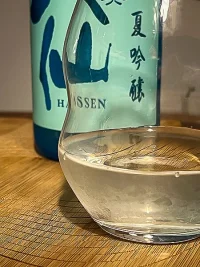
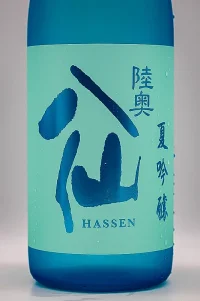
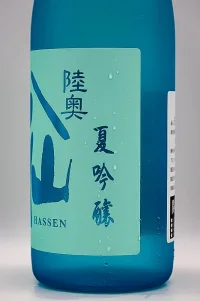
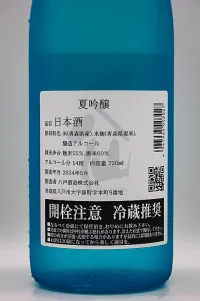
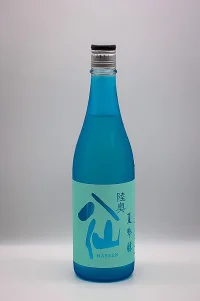
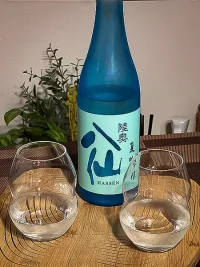
Mutsu Hassen Natsuginjō is made of Hanafubukirice milled to 60%. Natsuginjō is released once a year. It has a slightly lower alcohol content than Hassen's regular Ginjō, giving it a refreshing and sweet taste.
Leave a rating

Sake specs

Prefecture
Aomori (青森)
Rice type
Hanafubuki (花吹雪)
Polishing rate (semaibuai)
Kōjimai: 55%, Kakemai: 60%
Alcohol content
14%
SMV
-6.0
Acidity
1.5
Mutsu Hassen Natsuginjo (陸奥八仙 夏吟醸)

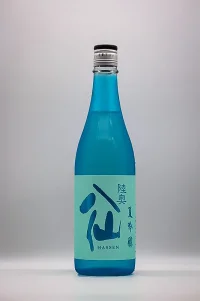
Mutsu Hassen Natsuginjō (陸奥八仙 夏吟醸) is made of Hanafubukirice milled to 60%. Natsuginjō is released once a year. It has a slightly lower alcohol content than Hassen's regular Ginjō, giving it a refreshing and sweet taste. The aroma and mouthfeel are full and clean. It can be enjoyed on the rocks or chilled. It best pairs with light-flavoured and mild dishes, such as carpaccio of white fish, avocado and prawn salad, tempura of cod sprouts, and squid or octopus sashimi.


Mutsu Hassen Natsuginjo (陸奥八仙 夏吟醸) Mutsu Hassen Natsuginjo (陸奥八仙 夏吟醸) Mutsu Hassen Natsuginjo (陸奥八仙 夏吟醸) Mutsu Hassen Natsuginjo (陸奥八仙 夏吟醸) Mutsu Hassen Natsuginjo (陸奥八仙 夏吟醸) Mutsu Hassen Natsuginjo (陸奥八仙 夏吟醸)

About the brewery

Brewery
Hachinohe Shuzō
Name in Japanese
八戸酒造
Address
〒031-0812 Aomori, Hachinohe, Minatomachi, Honchō-9
Phone
0178-33-1171
Website
Online store
mutsu-hassen-logo.png
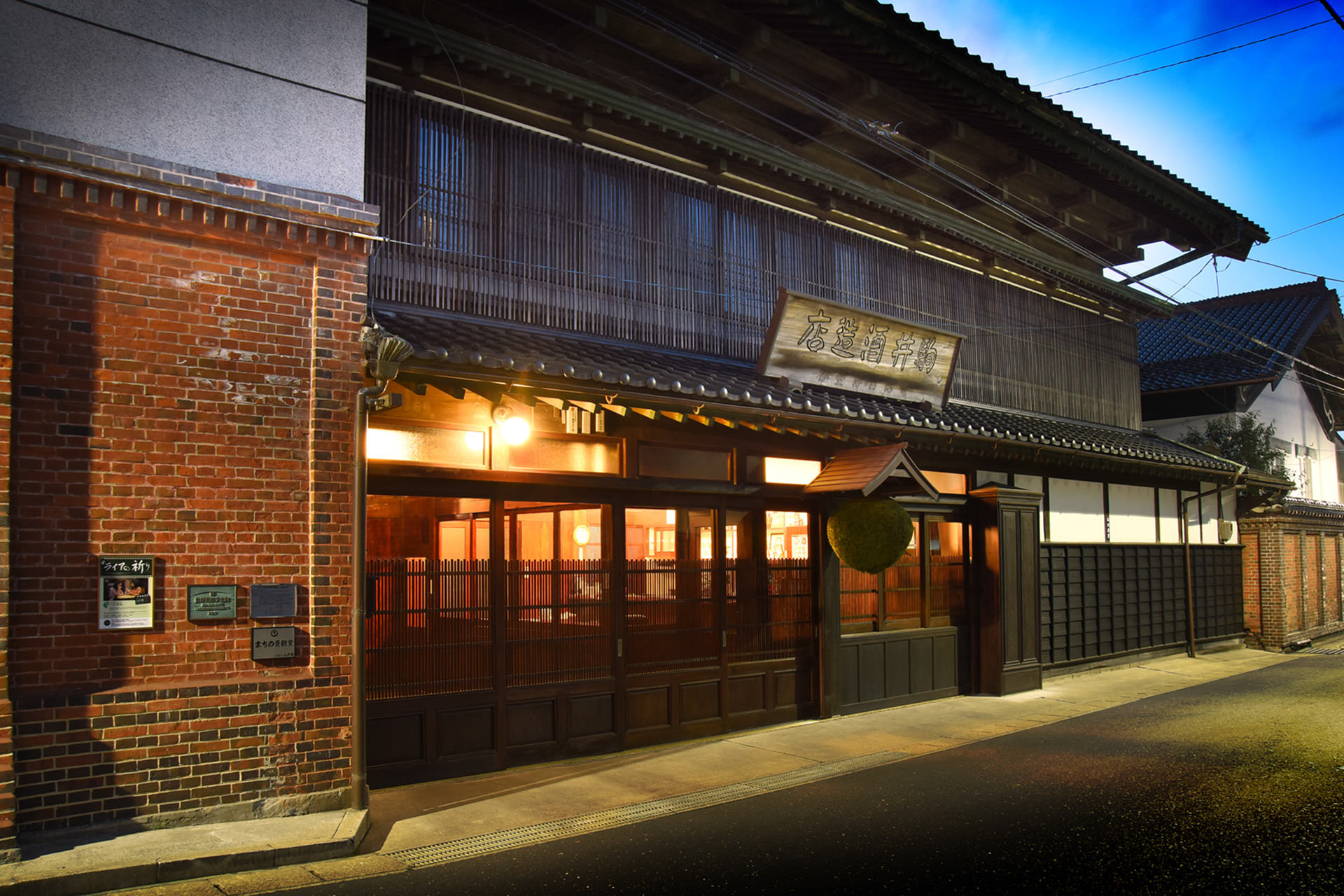
Hachinohe Shuzō was founded in 1775 by Komai Shōzaburō (駒井庄三郎), who traced his roots to the Omi merchants from the area around Takashima City in the north-west of present-day Shiga Prefecture. After the end of the Warring States period and the start of the Edo period , feudal lords from all over the country began to focus on the development of their domains. The Omi merchants followed the call when they were invited to trade in northern castle towns. Komai Shōzaburō, the founder of Mutsu Hassen, was one of the merchants who came to the Tohoku region. He later entered the brewing business and moved to Hachinohe, Aomori Prefecture, in the Meiji era . In the Taisho era (1912-1926), the brewery was established in its present location under the name Komai Sake Brewery.

Today, Shōzaburō VIII and his ninth-generation sons, Nobuyuki and Hideyuki, are taking on the challenge of producing safe, tasty sake that is environmentally friendly and healthy for the times, using only locally produced rice and yeast as Aomori Prefecture's local sake, and famous water from the Hachinohe and Kanizawa areas as the brewing water. The brewery's two brands are Mutsu Otokoyama (陸奥男山) and Mutsu Hassen (陸奥八仙). The origin of Mutsu Hassen lies in the Chinese legend of the eight drunken hermits (陸奥八仙), which tells various anecdotes about them and their exciting ways of enjoying drinking. The name was chosen in the hope that the drinker would enjoy sake just like a drunken hermit.

Hachinohe Brewery has won countless national and international sake awards at Kura Master, the International Wine Challenge, the U.S. National Sake Appraisal, the Fine Sake Award, the Kan Sake Award, and many others.

Latest reviews

Colour / hue
Gold
Clarity
Clear
Mutsu Hassen's Summer Ginjo presents itself in a refreshingly cool livery. This light and refreshing summer sake offers a fruity nose with hints of pear, apple, and citrus. The palate is gentle and crisp, with a well-balanced combination of refreshing acidity, moderate sweetness, and a dry finish. The lower alcohol content enhances its drinkability, making it an ideal choice for pleasant summer evenings.


Mutsu Hassen Natsuginjō Mutsu Hassen Natsuginjō


Appearance: clear and lemon-green
Nose: clean and medium
Aroma: fruity, citric
Sweetness: medium-dry
Acidity: medium
Umami: medium
Alcohol: medium-
Body: medium
Flavour intensity: medium
Flavour characteristics: fruity, crisp
Texture: standard
Finish: long
Quality level: very good
Upvote 0

Comments

There are no comments to display.
Tailor your train travel!

Table of contents

sake information

Category
Ginjō
Added by
JREF
Views
858
Watchers
1
Reviews
1
Last update
Rating
4.00 star(s) 1 ratings
Location
〒031-0812 青森県八戸市大字湊町字本町9番地

More in Ginjō

More from JREF

Back
Top Bottom