


- 14 Mar 2002
- 21,050
- 18,903
Rinsenji Temple (林泉寺) in rural Kamikitayama has become an unlikely tourist attraction thanks to a giant bronze cockroach statue known as Gokiburiten (護鬼佛理天). The 170-centimetre figure depicts a human-like cockroach with muscular arms and a sumo -wrestler stance. Installed more than 25 years ago, the statue was created as a memorial for pests. Today, however, the unusual "cockroach deity" is drawing curious visitors from across Japan and overseas. The bizarre statue has also attracted growing attention online, bringing unexpected publicity to the small mountain village at a time when many rural communities are struggling with depopulation.
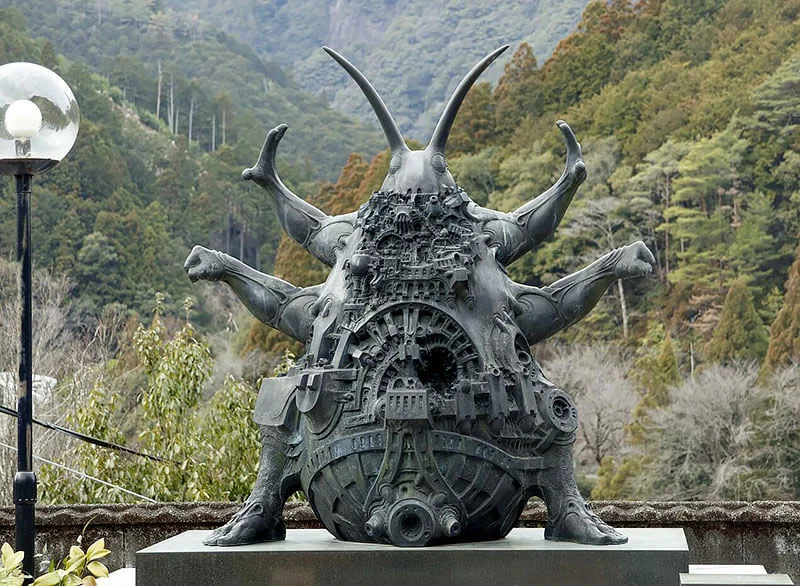
Gokiburiten (護鬼佛理天) at Rinsenji Temple (林泉寺) in Kamikitayama, Nara (photo credit: Kyodo).
Groups of young visitors now regularly travel to the village to see the unusual statue. Foreign tourists have also started visiting the remote area, including travellers from China and Poland, turning the giant cockroach figure into an unexpected cultural curiosity. For residents, the sudden attention has come as a surprise. At the same time, some say it has created a new sense of connection between the shrinking mountain community and visitors from outside the region.

 mainichi.jp
For those contemplating a visit, it's here:
Gokiburiten (護鬼佛理天) at Rinsenji Temple (林泉寺) in Kamikitayama, Nara (photo credit: Kyodo).
Its creator, sculptor Amano Hiroo, 72, from Mizunami in Gifu Prefecture, said he wanted to challenge expectations of how such a creature might be represented. "I wanted to create a powerful-looking cockroach," Amano said. He drew inspiration from the dramatic "mie" poses of Kabuki, as well as the ritualistic energy of sumo wrestling's ring-entering ceremonies. The result is a figure frozen in a theatrical stance, more symbolic than realistic. Amano also embedded a miniature human city within the statue's abdomen, a detail he said reflected a reversal of perspective. "When creating this memorial statue, I decided to reverse the roles and depict humans as parasitic on the cockroach," he said.
Groups of young visitors now regularly travel to the village to see the unusual statue. Foreign tourists have also started visiting the remote area, including travellers from China and Poland, turning the giant cockroach figure into an unexpected cultural curiosity. For residents, the sudden attention has come as a surprise. At the same time, some say it has created a new sense of connection between the shrinking mountain community and visitors from outside the region.
Giant cockroach statue brings new life to shrinking Nara village - The Mainichi
NARA (Kyodo) -- A giant bronze cockroach with muscular arms and a sumo wrestler's stance is drawing tourists to a shrinking mountain village in wester
For those contemplating a visit, it's here:


