


- 14 Mar 2002
- 21,053
- 18,908
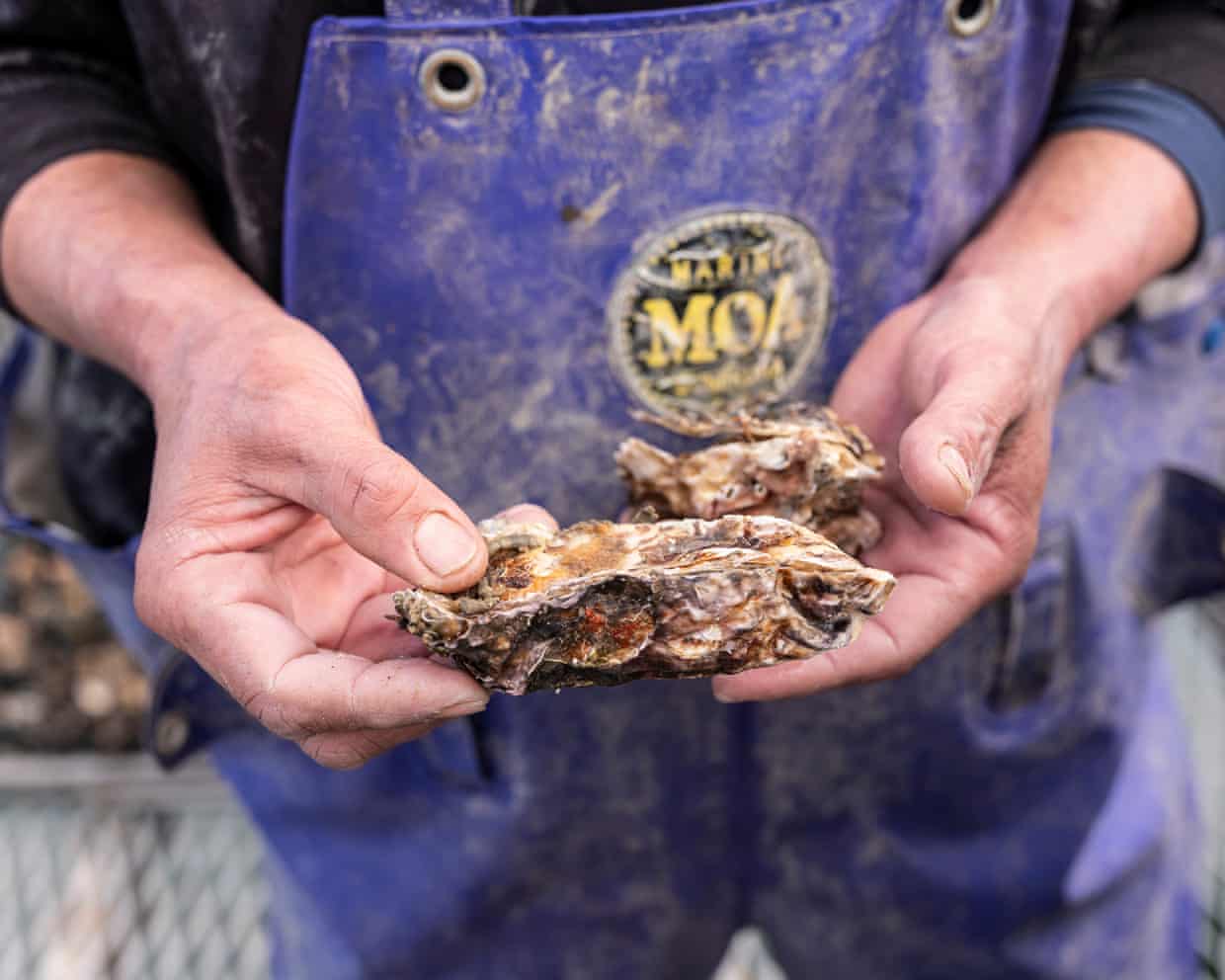
Oysters in the Hiroshima region, a staple of Japanese cuisine and central to Hiroshima's fisheries, are dying in large numbers. Experts say a mix of rising sea temperatures and last year's extreme summer heat left the bivalves short of oxygen and food. There are concerns that this could happen more often. The government has stepped in to support fisheries, which say their livelihoods are at risk. According to local oyster farmers, this season's harvest was a disaster.

 www.theguardian.com
[This] predicament is being repeated in prefectures along the coast of the Seto Inland Sea, from Hiroshima in the west to Hyogo in the east. But the most serious damage has occurred in Hiroshima, which accounts for almost two-thirds of Japan's farmed oyster production, producing 89,000 tons of the shellfish in 2023. Together, the fisheries dotted around the inland sea produce 80% of Japan's oysters. Niina noticed something was wrong last October, when he and his fellow fishers encountered unusually high numbers of dead oysters at the start of the annual harvest, which ends in May. In a typical year, between 30% and 50% of oysters die, but this season the rate has reached as high as 90% in parts of Hiroshima, according to the fisheries ministry. "I've never experienced this in my whole career," says Tatsuya Morio, who has farmed oysters in Hiroshima for more than 20 years. Last year, Japan suffered an intense heatwave, with the average summer temperature 2.36 °C above normal, making it the hottest summer since records began in 1898.
‘Something out of the ordinary’: why are Japan’s oysters dying en masse?
A death rate of up to 90%, attributed to warming seas, is threatening the trade in Hiroshima prefecture, which produces most of the country’s farmed oysters


