


- 14 Mar 2002
- 21,053
- 18,907
Nikkei Asia reported on Japan's record visitor numbers and growing foreigner fatigue. The notion of "overtourism" has increasingly taken hold in public discourse, and the Japanese have come to view the rise in foreign visitors as a potential drawback.
Seventy per cent of all overnight stays occur in Kyōto , Tōkyō and Ōsaka. Other areas, such as Kanazawa, are minuscule in comparison.
Also, according to Nikkei, the perceptions of many Japanese were flawed:
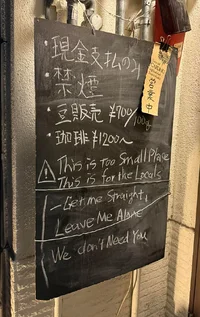
In the business sector, some smaller firms, facing rising inflation and labour shortages, have struggled to keep up with the surge in foreign tourists. In anecdotal cases, some restaurants have resorted to installing "No Foreigners" signs or "We only speak Japanese" warnings on their doors, moves that sometimes spark backlash on social media as discriminatory.
I found this on FB yesterday:
Reactive measures have already been implemented, most notably price hikes or accommodation taxes. Most tourists, however, disagreed with dual-pricing:
Sustainable tourism had to include local communities. A good example of such a sustainable project is Kanazawa's 300-year-old Ōmichō market in the city centre, dubbed locally as "Kanazawa's Kitchen."
Paywall alert:

 asia.nikkei.com
Record visitor numbers have boosted Japan's economy, but overtourism and "foreigner fatigue" are increasingly visible. Kanazawa, known for its preserved historical districts and traditional culture, has an appeal similar to Kyōto, about 230 kilometres south. Yet foreign tourism now clearly separates them. JTA figures show that between January and November 2025, overseas travellers accounted for roughly two million overnight stays across Ishikawa Prefecture, while Kyōto Prefecture logged more than seventeen million. Total visitor spending in 2025 reached about $ 60 billion. However, a diplomatic dispute with China and Beijing's call to avoid travel to Japan led to a sharp decline in Chinese arrivals in December, prompting forecasts of a possible decline in 2026 as the Lunar New Year approaches. However, industry professionals expect travellers from other countries to offset part of the gap and believe improved relations could quickly revive Chinese demand.
Seventy per cent of all overnight stays occur in Kyōto , Tōkyō and Ōsaka. Other areas, such as Kanazawa, are minuscule in comparison.
This gap also shows the strain on Japan's most visited cities, a problem also seen in France and Spain. A November 2025 government report found nearly 70% of foreign overnight stays were concentrated in Kyōto, Tōkyō and Ōsaka. Local media have regularly noted friction between residents and visitors, much of it linked to language barriers and differing social norms. Public discussion has shifted to issues such as raising visitor taxes, charging foreign tourists more than residents, or restricting entry to particular neighbourhoods. A prominent example is Kyōto's Gion district, where several streets linked to geisha heritage were closed to tourists after complaints about intrusive photography and tourist behaviour.
Also, according to Nikkei, the perceptions of many Japanese were flawed:
While 42.7 million foreign visitors in a country of 124 million residents would appear to suggest less congestion than in places like France -- the world's biggest tourist destination, with more than 100 million visitors in a country of 69 million -- observers say that for some in Japan, perceptions are influenced by the fact that overall population is shrinking as the number of foreign residents reached an all-time high of nearly 4 million in 2025. Headlines over cases of illegal residents and workers, coupled with the surge in tourists, have led to "foreigner fatigue," fostering tensions in some local communities and placing immigration and other policies regarding foreigners high on the political agenda for Japan's lower house election set for Feb. 8.
In the business sector, some smaller firms, facing rising inflation and labour shortages, have struggled to keep up with the surge in foreign tourists. In anecdotal cases, some restaurants have resorted to installing "No Foreigners" signs or "We only speak Japanese" warnings on their doors, moves that sometimes spark backlash on social media as discriminatory.
I found this on FB yesterday:
Reactive measures have already been implemented, most notably price hikes or accommodation taxes. Most tourists, however, disagreed with dual-pricing:
In Kanazawa, foreign tourists said they understood the debate over two-tier pricing, but also expressed concerns. The Manegold family, visiting from Germany, said a two-tier pricing "would make us feel not so welcomed." French visitor Marquer said he was aware that people in Japan "are struggling with higher prices. ... But at the same time, it's like, 'Oh, you're a tourist so pay double,' and I don't really like that idea." Many businesses in Kanazawa expressed reservations about dual pricing, saying they don't want to come across as discriminatory toward foreign tourists. The city itself has also not had any public discussions about the topic so far.
Sustainable tourism had to include local communities. A good example of such a sustainable project is Kanazawa's 300-year-old Ōmichō market in the city centre, dubbed locally as "Kanazawa's Kitchen."
During peak periods, the market draws roughly 50,000 visitors a day, with about 170 shops selling seafood and fresh produce. In recent years, it has added dine-in spaces and introduced artificial-intelligence audio guides in multiple languages, while also launching cooking classes and children's drawing contests to keep residents involved. Hiroyuki Ishiyama, who heads the Ōmichō Market Shopping District Promotion Association, noted that local people have long run the market and it remains an essential place for neighbourhood shoppers, even as it also recognises the importance of overseas tourists and the need for both groups to coexist in a way that benefits each side.
Paywall alert:
Japan tourism divide on display in Kanazawa calm, Kyoto crowds
Record visitor numbers boost economy, but 'foreigner fatigue,' overtourism tensions grow
asia.nikkei.com


