


- 14 Mar 2002
- 21,050
- 18,903
A photo exhibition by Naoko Sakokawa, who documented the so-called Shinjuku cardboard village, is set to open on 22 January at Espace A L.L. in the Kichijoji area of Musashino. The exhibition revisits a community that emerged near the west exit of Shinjuku Station, where people living rough found mutual support. Nearly three decades on, the short-lived settlement—often described as a "phantom village" and remembered for bringing poverty into public view in Japan—is being examined again through Sakokawa's photographs.
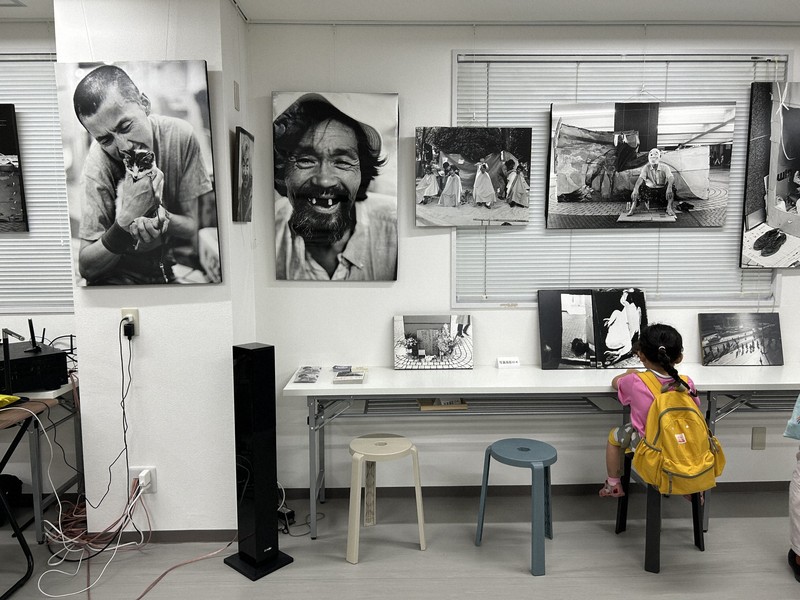
Photo by Sakokawa Naoko, a Shinjuku cardboard village photo exhibition in Tokyo in August 2025 (via Mainichi).
The cardboard village took shape in the aftermath of a forced removal carried out by the Tokyo Metropolitan Government on 24 January 1996, when makeshift shelters were cleared from the passage linking Shinjuku Station to the metropolitan government complex to make way for a moving walkway. Many of those displaced had lost their jobs and homes amid the economic downturn and wave of layoffs that followed the collapse of the bubble economy in the 1990s. They regrouped in the west exit plaza of Shinjuku Station, where a new community formed and remained until the early hours of 7 February 1998, when a fire destroyed around 50 dwellings. At its height, the settlement was home to roughly two hundred people.

 mainichi.jp
 bigissue-online.jp
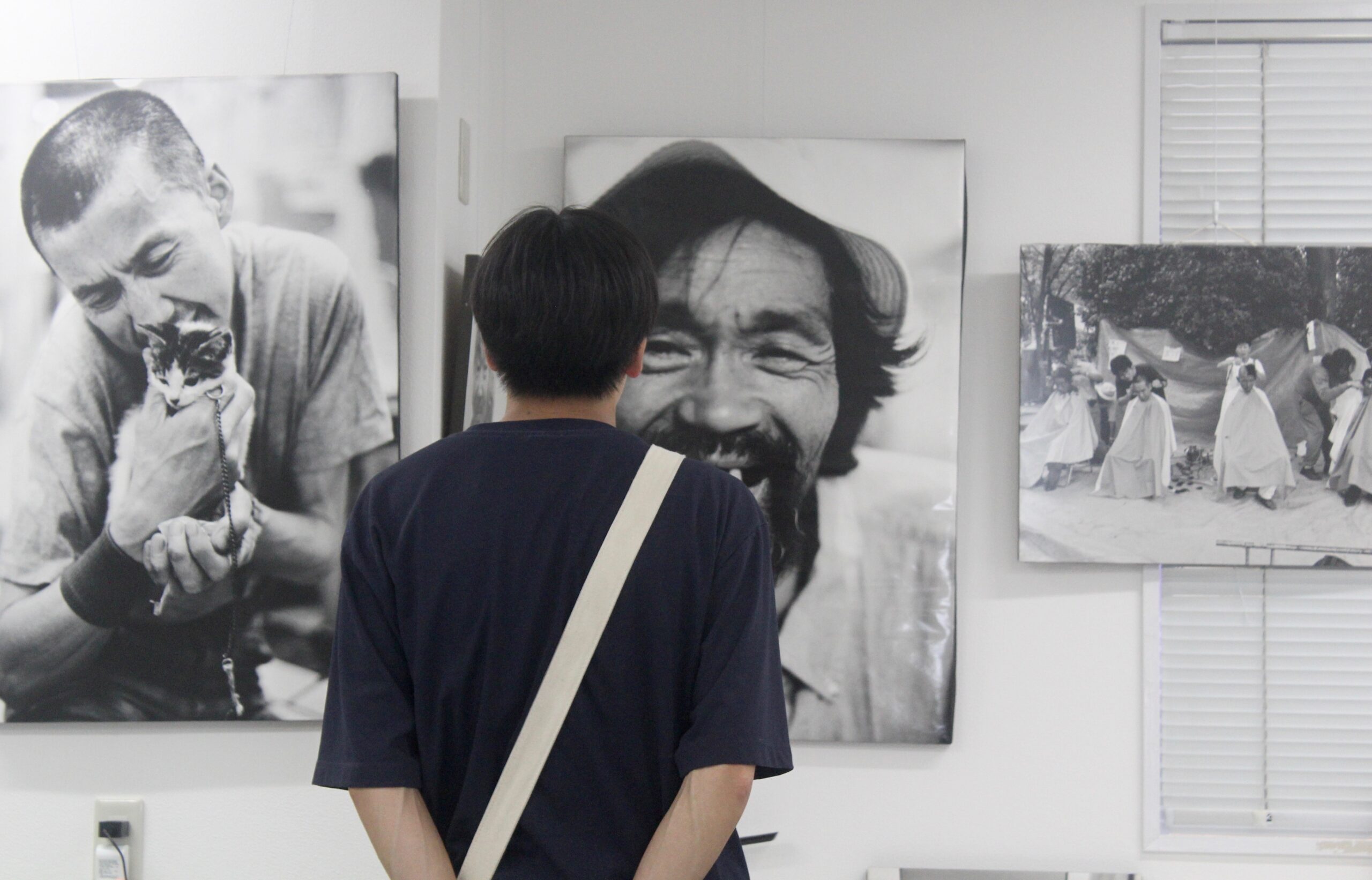
Photo by Sakokawa Naoko, a Shinjuku cardboard village photo exhibition in Tokyo in August 2025 (via Mainichi).
The cardboard village took shape in the aftermath of a forced removal carried out by the Tokyo Metropolitan Government on 24 January 1996, when makeshift shelters were cleared from the passage linking Shinjuku Station to the metropolitan government complex to make way for a moving walkway. Many of those displaced had lost their jobs and homes amid the economic downturn and wave of layoffs that followed the collapse of the bubble economy in the 1990s. They regrouped in the west exit plaza of Shinjuku Station, where a new community formed and remained until the early hours of 7 February 1998, when a fire destroyed around 50 dwellings. At its height, the settlement was home to roughly two hundred people.
The morning of the January 1996 eviction, Sakokawa was at her job as deputy manager of the Berg cafe near Shinjuku Station's east exit. She rushed to the scene with her camera, and from that moment until the village was destroyed, she visited the community every day. "I felt I had to document the reality of life on the streets and the moves to exclude people," she recalls. At a time when digital cameras and cellphones were not yet widespread, it was a challenge to keep recording what she saw. She shot a huge number of photos on film.
Photo exhibit revisits Shinjuku's 'cardboard village,' a symbol of Japan's hidden poverty - The Mainichi
TOKYO -- A photo exhibition by Naoko Sakokawa, who documented the

「新宿ダンボール村」に生きた人たちと過ごした2年間。写真家・迫川尚子さんが語る新宿西口の記憶
1996年1月24日から1998年2月14日の2年間、新宿駅西口には「新宿ダンボール村」と呼ばれる路上生活者た…
bigissue-online.jp
