


- 14 Mar 2002
- 21,054
- 18,910
Yoshinoya Holdings plans to turn ramen into a third main business alongside gyudon and udon, and will expand its overseas capacity for soup and noodles as well as its global restaurant network. The company plans to double production at its Takara Sangyo plants in California and near Paris by fiscal 2029, with a new building scheduled for the French site in 2026 and a possible new facility under consideration in the United States. Takara already supplies ramen ingredients to Yoshinoya and other firms.
Production centres in Southeast Asia will be updated to meet halal standards, enabling them to export more widely across the region. Altogether, the company expects to invest about 5 billion yen over five years in ramen-related facilities, including work at domestic factories. Yoshinoya also aims to expand its overseas ramen restaurant count to around 500 shops by fiscal 2029, roughly four times the current number.
Paywall alert:

 asia.nikkei.com
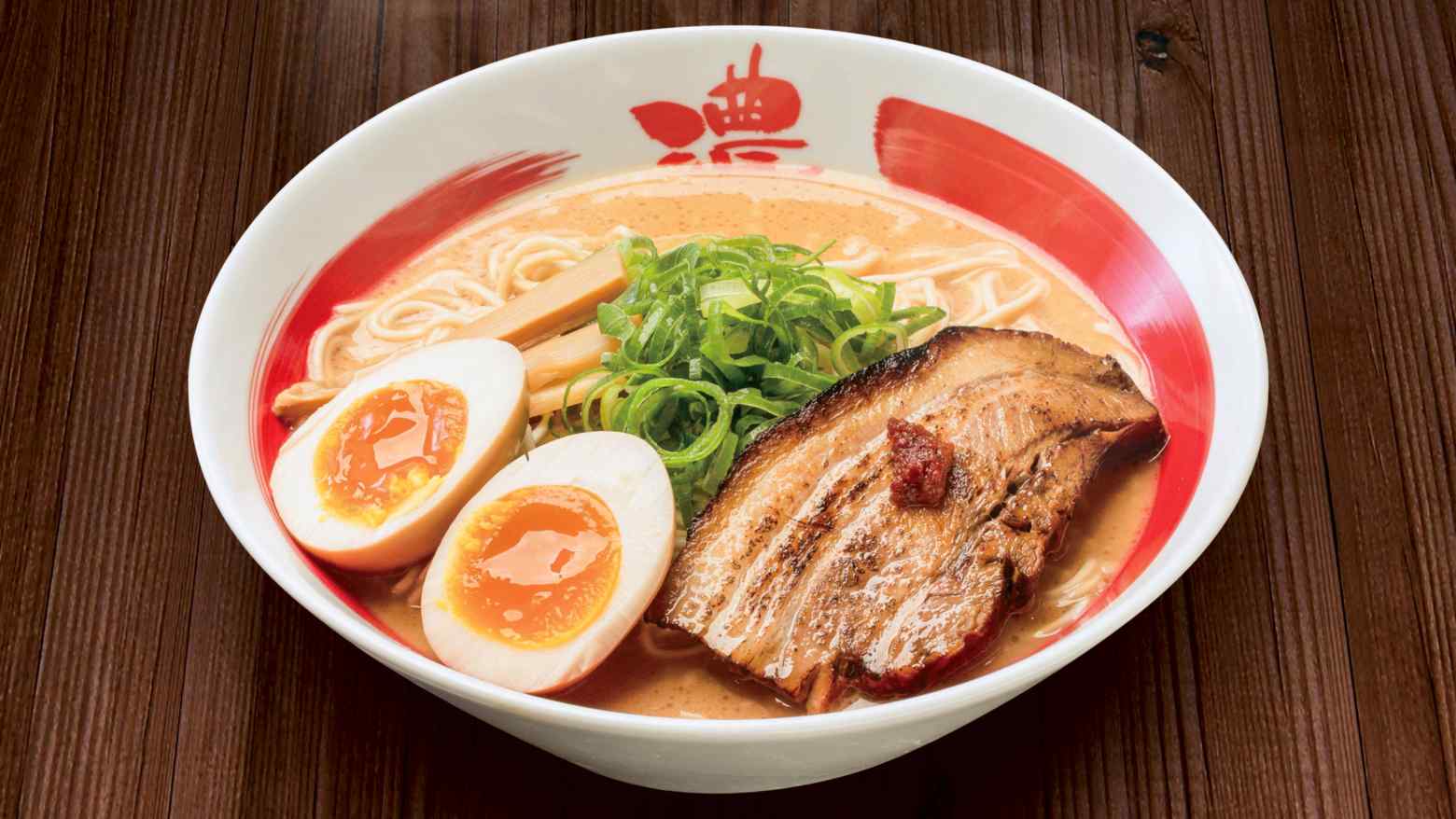
Yoshinoya's Bari-Uma branch in Edinburgh charges £14.90, roughly three times the going rate for ramen in Japan, which the company says has helped boost its margins (photo credit: Yoshinoya).
Production centres in Southeast Asia will be updated to meet halal standards, enabling them to export more widely across the region. Altogether, the company expects to invest about 5 billion yen over five years in ramen-related facilities, including work at domestic factories. Yoshinoya also aims to expand its overseas ramen restaurant count to around 500 shops by fiscal 2029, roughly four times the current number.
Demand for ramen continues to expand overseas amid a global boom in Japanese cuisine. The global ramen market was valued at about $57.9 billion in 2023, according to U.S.-based Marketresearch.biz, and is projected to grow about 60% by 2033, to $94.1 billion. In Scotland, Yoshinoya operates a ramen shop under its Bari-Uma brand. The establishment offers ramen bowls at 14.90 pounds ($20), about three times the price in Japan, yen-for-yen. The price difference boosts profitability. Yoshinoya Holdings' ramen business segment logged a profit margin of 5.2% for the March-August period, exceeding the 5% for the namesake Yoshinoya chain and the company's 4% overall figure. The Yoshinoya chain plans to open a new processing plant in California this year for making sliced beef and other products. This supply chain expansion will support the parent company's plan to boost the number of Beef O' Brands shops to 1,120 over the next five years, up 12% from the previous five years. Japanese rivals are expanding their overseas footprint as well. Italian-themed restaurant chain Saizeriya aims to grow to about 1,000 locations in China by 2035, a roughly 80% gain. Next year, Saizeriya will invest over 4 billion yen to start up a new plant in Guangzhou.
Paywall alert:
Japan's Yoshinoya to double overseas ramen production amid noodle boom
Beef bowl maker plans expansion in US and France, riding popularity of Japanese food
asia.nikkei.com


