


- 14 Mar 2002
- 21,050
- 18,903
As suddenly as it began, the miraculous tears streaming from the wooden Virgin Mary statue at the church dried up, leaving the sisters and nuns in disbelief. The weeping, which had perplexed everyone from the start, commenced on 4 January 1975 and continued for 101 instances until its inexplicable cessation on 15 September 1981.
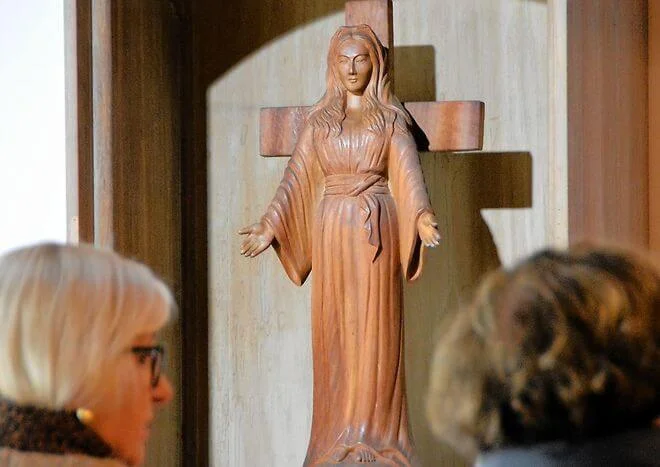
While the sisters remained discreet about the weeping phenomenon, news of the "miracle" spread through visitors and other channels, attracting pilgrims from around the globe seeking to offer prayers. In 2013, the Diocese of Rome recognized the significance of "Our Lady of Akita" by including it alongside renowned pilgrimage sites like Nazareth and Lourdes in a global "night of prayer" event.
Sister Nozomi Akiho emphasises that the church offers no specific interpretation of the tears. However, the arrival of a group of 30 pilgrims from Poland in mid-November demonstrates the impact of the "miraculous" statue on visitors worldwide.
 www.seitaihoshikai.com
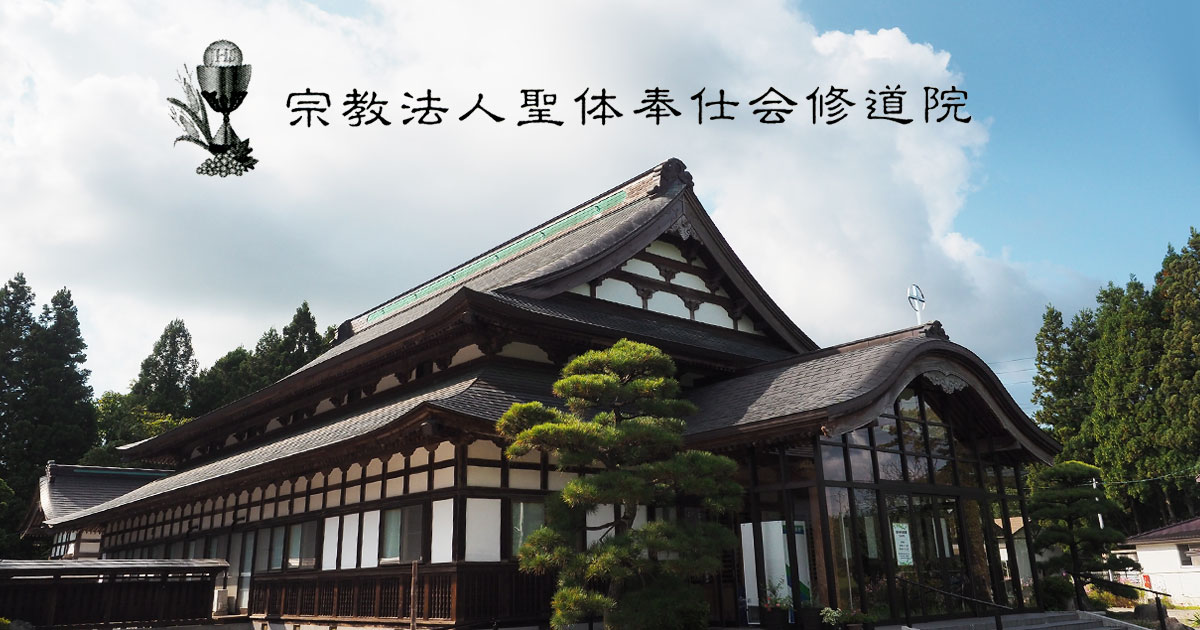
The sisters said they witnessed "tears overflowing down her cheeks, running to her chest and sash." One recalled that the tears "once reached the feet" of the statue. The statue is honoured at the Institute of the Handmaids of the Sacred Heart of Jesus in the Holy Eucharist, 7 kilometres north of central Akita city. The tears were wiped with absorbent cotton and sent to a university forensic lab for analysis. The scientific conclusion? The tears were human bodily fluid. The sculpture of the Virgin Mary with a cross on her back is 120 centimetres tall with a stand. It is said that the face of the statue was specially designed by the late Saburo Wakasa, an Akita native, to resemble that of a Japanese woman. This may explain the Mary figurine's facial resemblance to the Kannon statue in Buddhism.
While the sisters remained discreet about the weeping phenomenon, news of the "miracle" spread through visitors and other channels, attracting pilgrims from around the globe seeking to offer prayers. In 2013, the Diocese of Rome recognized the significance of "Our Lady of Akita" by including it alongside renowned pilgrimage sites like Nazareth and Lourdes in a global "night of prayer" event.
Sister Nozomi Akiho emphasises that the church offers no specific interpretation of the tears. However, the arrival of a group of 30 pilgrims from Poland in mid-November demonstrates the impact of the "miraculous" statue on visitors worldwide.
Link:
Our Lady of Akita | Catholic Convent Seitai Hoshika
The Institute of the Handmaids of the Sacred Heart of Jesus in the Holy Eucharist, Seitai Hoshikai, is a small institute of Catholic religious women leading dedicated lives of prayer and was established in 1970 by the late Bishop John Shojiro Ito of Niigata, Japan.
www.seitaihoshikai.com


