


- 14 Mar 2002
- 21,056
- 18,911
As the Japanese ski season approaches, some resorts welcome a surge of inbound tourists. However, once a renowned ski destination, Niigata faces a stark reality: the number of resorts has dwindled by roughly 30% from its peak.
Illustrating this decline, Murakami Budo Ski Resort, located in the northern mountainous region, will cease operations after the 2024-25 season. Established in 1988, the resort witnessed a peak of 20,000 visitors during the 1990-91 season, a period of economic prosperity in Japan.
However, visitor numbers gradually declined. The 2022-23 season saw a mere 5,000 visitors due to insufficient snowfall, limiting the number of operational days. This situation reflects the challenges many ski resorts face in Niigata, where declining snowfall and dwindling visitor numbers threaten their continued existence.
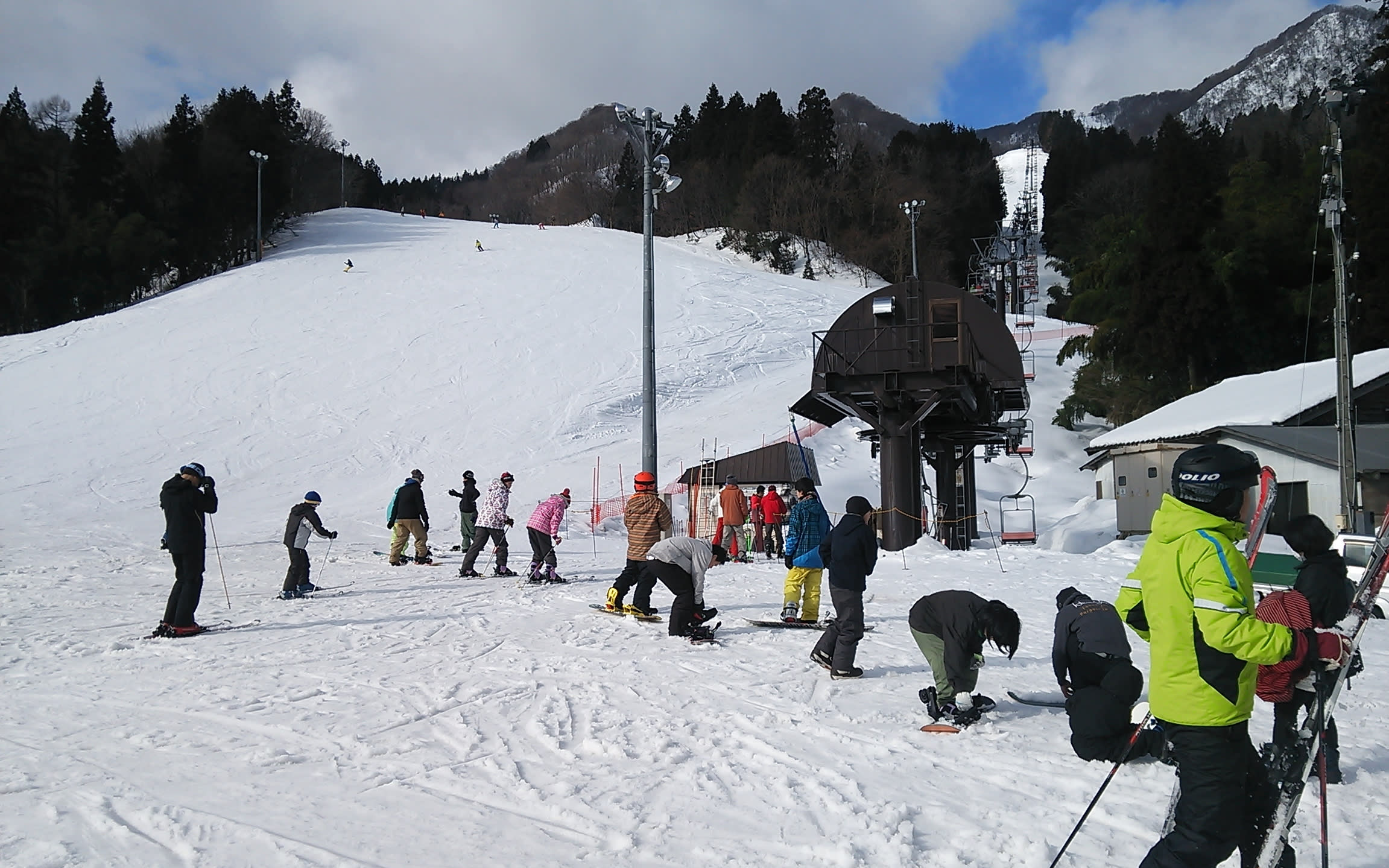
Murakami Budo Ski Resort (村上市ぶどうスキー場)
Paywall alert:

 asia.nikkei.com
Illustrating this decline, Murakami Budo Ski Resort, located in the northern mountainous region, will cease operations after the 2024-25 season. Established in 1988, the resort witnessed a peak of 20,000 visitors during the 1990-91 season, a period of economic prosperity in Japan.
However, visitor numbers gradually declined. The 2022-23 season saw a mere 5,000 visitors due to insufficient snowfall, limiting the number of operational days. This situation reflects the challenges many ski resorts face in Niigata, where declining snowfall and dwindling visitor numbers threaten their continued existence.
Murakami Budo Ski Resort (村上市ぶどうスキー場)
The resort posted a loss of 33 million yen ($219,000) in fiscal 2023, and Japan's chronic labour shortages and the deteriorating condition of ski lifts also contributed to its decision to close. Prefectural data shows ski resort and visitor numbers peaked in fiscal 1992, with 82 locations and 15.97 million guests. The decline in visitor numbers since has been attributed to Japan's shrinking youth population and diversifying leisure options. By fiscal 2023, visitor numbers had dropped to 3.73 million, less than a quarter of the peak figure. The number of ski resorts has fallen by 34% to 54, impacted by fewer operating days due to global warming and high maintenance costs. Not all 54 resorts are active. Six did not open their courses in fiscal 2023 due to insufficient snowfall and poor business conditions, and some have remained effectively closed for years.
Paywall alert:
Japan's Niigata ski resorts decline with less snow and fewer visitors
Repurposing faces challenges while abandoned slopes can invite soil erosion
asia.nikkei.com


