


- 14 Mar 2002
- 21,056
- 18,910
An outbreak of illnesses in Kumamoto Prefecture during the Obon week has highlighted the potential health risks associated with river water. Dozens of people, including seven high school students, reported experiencing diarrhoea and vomiting after playing in the Shimotsu-Fukaegawa river near the Todoroki no Taki waterfall on 13 August. Over 40 people contacted public health centres with similar symptoms within a few days. By 27 August, the number of individuals seeking medical treatment at Amakusa medical institutions had reached 124, including several children. While none of the cases were severe, one person required temporary hospitalization. The prefectural government announced on August 27th that the norovirus was the most probable cause of the outbreak.
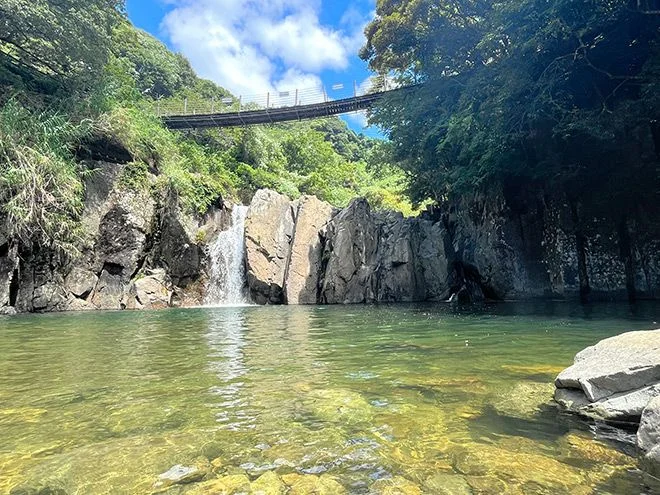
Todoroki no Taki waterfall in Amakusa, Kumamoto Prefecture (photo credit: Watanabe Junki via Asahi)
Two years ago, in Fukuoka Prefecture, five young adults experienced fevers, vomiting, and headaches after playing in a river. Three of them were later diagnosed with leptospirosis, a bacterial disease that had previously been considered a possible cause of the Amakusa cases. Dr Kenji Sakai, an internist based in Fukuoka, explained that people could contract leptospirosis by swimming in or drinking contaminated river water, which may contain the urine or faeces of infected mice and other wild animals. According to the National Institute of Infectious Diseases, 273 individuals were infected with leptospirosis in 29 prefectures between 2016 and 2022.
Okinawa Prefecture had the highest number of cases, accounting for 60% of the total, followed by Kagoshima Prefecture. Okinawa prefectural officials reported that 245 people were infected with leptospirosis 18 years before 2020, and 72% of these cases were attributed to river exposure. In addition to leptospirosis, other waterborne diseases, such as giardiasis and infections from the Yersinia bacterium, could also pose health risks in rivers. Some medical specialists have suggested these as potential causes of Amakusa symptoms.
Todoroki no Taki waterfall in Amakusa, Kumamoto Prefecture (photo credit: Watanabe Junki via Asahi)
Medical institutions and the prefecture examined stool samples of 16 patients and detected the norovirus in six of them. Prefectural government tests on four patients uncovered the genotype of the virus. Water samples taken from the area around the waterfall on Aug. 19 and 23 were examined, and the norovirus was detected in the waterfall basin and upstream. However, the prefecture said the genotype differed from the patient's stool samples. "There is a high possibility that the norovirus was the cause, but it could not be confirmed," a prefectural government official said. The prefectural government set up a warning sign about the health hazard near the 5-meter-tall waterfall, which lies along a mountain trail and flows into a river underneath a cable-suspended bridge. According to a 22-year-old part-time worker near the waterfall site, the area is popular among junior and senior high school students because they can jump into the river from the rocky ground above the waterfall.
Two years ago, in Fukuoka Prefecture, five young adults experienced fevers, vomiting, and headaches after playing in a river. Three of them were later diagnosed with leptospirosis, a bacterial disease that had previously been considered a possible cause of the Amakusa cases. Dr Kenji Sakai, an internist based in Fukuoka, explained that people could contract leptospirosis by swimming in or drinking contaminated river water, which may contain the urine or faeces of infected mice and other wild animals. According to the National Institute of Infectious Diseases, 273 individuals were infected with leptospirosis in 29 prefectures between 2016 and 2022.
Okinawa Prefecture had the highest number of cases, accounting for 60% of the total, followed by Kagoshima Prefecture. Okinawa prefectural officials reported that 245 people were infected with leptospirosis 18 years before 2020, and 72% of these cases were attributed to river exposure. In addition to leptospirosis, other waterborne diseases, such as giardiasis and infections from the Yersinia bacterium, could also pose health risks in rivers. Some medical specialists have suggested these as potential causes of Amakusa symptoms.


