


- 14 Mar 2002
- 21,050
- 18,903
Tokyo is harnessing AI to accelerate its response to major earthquakes. A new system uses high-altitude cameras to detect fires and building collapses in real time, providing crucial data to emergency services. The initiative comes as Japan braces for a potential megaquake along the Nankai Trough. Three cameras are currently operational, with more planned. The AI analyzes footage, pinpointing disaster zones and relaying information to police, firefighters, and the military. A 2022 government report warned of potential two-meter-high tsunamis in Tokyo Bay if a Nankai Trough quake strikes.
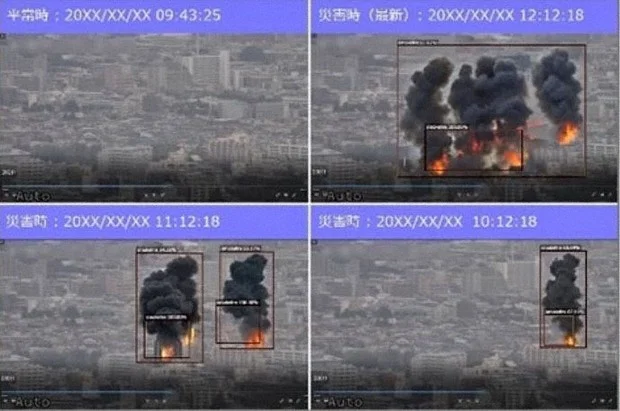
Photo credit: Hitachi via Kyodo

 mainichi.jp
Photo credit: Hitachi via Kyodo
There is also a 70 per cent chance of a massive earthquake occurring directly beneath Tokyo within the next 30 years. A powerful earthquake centred under southern Tokyo could result in about 6,100 deaths and damage to around 194,000 buildings. The system began full-scale operation in March. By the end of the fiscal year through March 2025, two additional cameras will be activated at Tokyo Skytree, expanding coverage to include nearly all of the capital's 23 wards and parts of the western area. The AI reviews camera footage to identify smoke or structural damage, displaying the information with reports and maps on a screen. It can also detect densely packed with wooden houses, allowing authorities to prioritize areas at higher risk of severe damage.
Tokyo deploys AI to detect fires, collapses for rapid quake response - The Mainichi
TOKYO (Kyodo) -- The Tokyo metropolitan government has launched an artificial intelligence system that uses high-altitude cameras to detect fires and


